The Dawn of Baroque: Historical Context & Artistic Shift
Baroque painting is the painting associated with the Baroque cultural movement. The movement is often identified with Absolutism, the Counter Reformation and Catholic Revival, but the existence of important Baroque art and architecture in non-absolut...
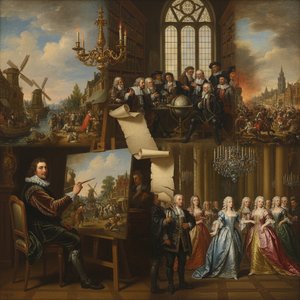
The 17th century witnessed a dramatic upheaval in the artistic landscape, a shift from the measured harmony of the Renaissance to the dynamic intensity of the Baroque. This wasn’t merely a stylistic change; it was a reflection of profound societal shifts – the Counter-Reformation's fervent religious zeal, the rise of absolutist monarchies, and burgeoning scientific inquiry. The Protestant Reformation had fractured Europe, leading to both religious wars and a questioning of established authority. The Catholic Church responded with an emphasis on emotional appeal and grandeur, seeking to reaffirm its power through art that inspired awe and devotion. Simultaneously, powerful rulers commissioned works that projected their authority and magnificence. This confluence of forces fueled the Baroque’s characteristic drama, rich color palettes, and theatrical compositions.
Prior to the Baroque, Renaissance artists focused on idealized forms and balanced compositions, often depicting mythological or historical scenes with a sense of calm rationality. The Baroque, however, embraced movement, emotion, and a heightened sense of realism. Artists sought not just to represent reality but to evoke feeling – piety, passion, even ecstasy. This is evident in the works of artists like Caravaggio, whose revolutionary use of light and shadow challenged conventional notions of beauty and decorum. The period also saw an expansion of artistic patronage beyond the Church and aristocracy, with a growing middle class commissioning portraits and genre scenes that reflected their own lives and values.
Chiaroscuro & Tenebrism: Mastering Light and Shadow in 17th-Century Painting
In art, chiaroscuro (English: kee-AR-ə-SKOOR-oh, -SKURE-, Italian: [ˌkjaroˈskuːro]; lit. 'light-dark') is the use of strong contrasts between light and dark, usually bold contrasts affecting a whole composition. It is also a technical term used by ...
Central to understanding Baroque painting is the mastery of light and shadow – specifically, the techniques of chiaroscuro and its more extreme form, tenebrism. Chiaroscuro, originating in Renaissance drawing, involved a subtle gradation of light and dark to create volume and depth. However, Baroque artists elevated this technique to an unprecedented level, using dramatic contrasts between intensely lit areas and deep shadows to heighten emotional impact and draw the viewer’s eye.
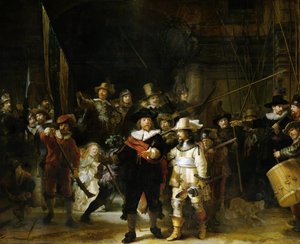
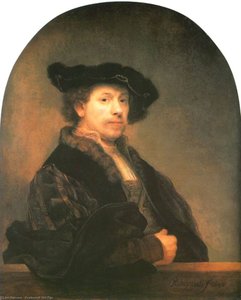
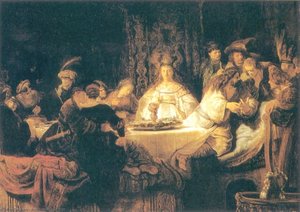
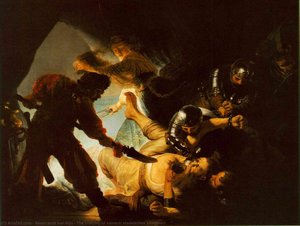
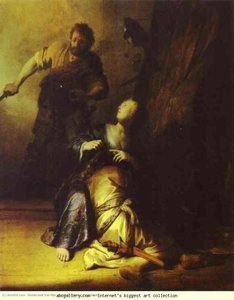
Caravaggio, arguably the most influential figure in the development of tenebrism, employed a stark contrast between light and dark, often illuminating figures against a black background. This technique not only created a sense of drama but also imbued his subjects with a raw, visceral realism. His “Samson and Dalila,” for example, is powerfully lit, focusing attention on the moment of betrayal and highlighting the emotional turmoil of both characters. Rembrandt van Rijn, while building upon Caravaggio’s foundations, employed chiaroscuro in a more nuanced way, using it to explore psychological depth and create an atmosphere of introspection. His “Self-Portrait with Two Circles” exemplifies this approach, where light subtly reveals the artist's inner thoughts and emotions.
The use of these techniques wasn’t merely aesthetic; it was deeply symbolic. Light often represented divine grace or truth, while shadow symbolized ignorance, evil, or mortality. By manipulating these elements, Baroque artists could convey complex theological messages and evoke powerful emotional responses in the viewer.
Dutch Golden Age Realism: Genre, Portraiture, and the Rise of Middle-Class Patrons
The Dutch Golden Age (Dutch: Gouden Eeuw [ˈɣʌudən ˈeːu, ˈɣʌudə ˈʔeːu]) was a period in the history of the Netherlands which roughly lasted from 1588, when the Dutch Republic was established, to 1672, when the Rampjaar occurred. During this period, Du...
The Dutch Republic during the 17th century experienced a period of unprecedented economic prosperity – the Dutch Golden Age. This wealth fueled an extraordinary flourishing of art, but it differed significantly from the Baroque painting prevalent in Catholic countries. Unlike the grand religious and mythological scenes favored elsewhere, Dutch artists focused on genre scenes depicting everyday life, portraits of middle-class citizens, still lifes, and landscapes.
This shift reflected the values of a burgeoning merchant class that prioritized realism, practicality, and domesticity. Artists like Johannes Vermeer captured the quiet dignity of ordinary people in their homes, meticulously rendering details of light, texture, and composition. Portraiture became increasingly popular as individuals sought to commemorate their status and achievements. The demand for these types of paintings led to a proliferation of artists specializing in specific genres, resulting in an incredibly diverse and vibrant artistic landscape.
While lacking the overt religious symbolism of Italian Baroque painting, Dutch Golden Age art was not devoid of meaning. Still lifes often contained hidden allegories related to mortality, wealth, or temperance. Landscapes reflected a sense of national pride and appreciation for the natural world. The emphasis on realism, however, remained paramount, creating paintings that were both visually stunning and deeply evocative of everyday life.
Iconography & Symbolism: Unveiling Hidden Meanings in Baroque Masterpieces
Beneath the surface beauty of Baroque painting lies a complex web of iconography and symbolism. Artists frequently employed hidden meanings within their compositions, drawing upon religious texts, classical mythology, and contemporary cultural beliefs. Understanding these symbols is crucial to fully appreciating the depth and richness of Baroque art.
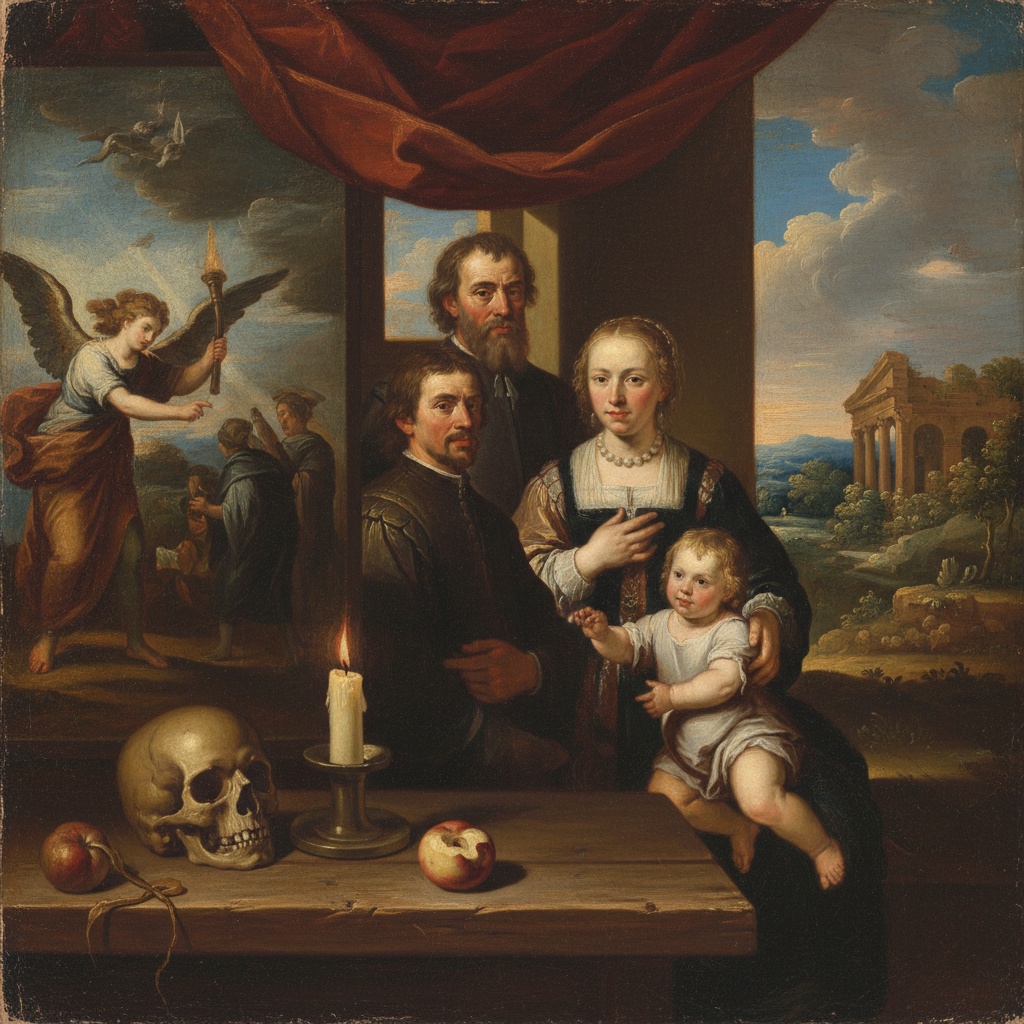
For example, flowers often carried specific connotations – lilies represented purity, roses symbolized love, and skulls served as reminders of mortality (memento mori). Animals also held symbolic weight; dogs could represent fidelity, birds signified freedom or the soul, and insects embodied transience. Religious scenes were particularly rich in symbolism, with objects, gestures, and colors all conveying theological messages.
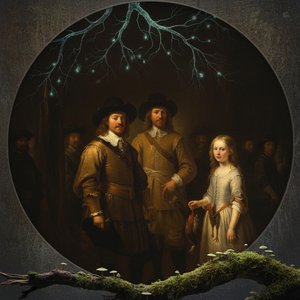
Rembrandt’s “David Et Jonathan”, for instance, is not simply a depiction of a biblical scene; it's laden with subtle references to themes of friendship, loyalty, and divine covenant. The composition, lighting, and even the expressions on the characters’ faces contribute to a deeper understanding of these concepts. The ability to decipher these hidden meanings elevated Baroque painting beyond mere representation, transforming it into a powerful form of visual communication.
Rembrandt van Rijn: A Case Study in Psychological Depth and Technical Innovation
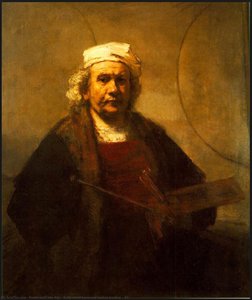 Self-Portrait with Two Circles
Explore Rembrandt’s ‘Self-Portrait with Two Circles’! A masterful Baroque painting showcasing chiaroscuro & introspective gaze. Discover a timeless work by the Dutch master.
Rembrandt van Rijn stands as one of the most celebrated artists of the Baroque period, renowned for his masterful use of light and shadow, psychological depth, and innovative techniques. Unlike many of his contemporaries who focused on idealized forms, Rembrandt sought to capture the raw humanity of his subjects, flaws and all.
His portraits are particularly striking in their ability to convey inner emotion and character. He achieved this through a meticulous study of facial expressions, gestures, and body language, as well as his signature use of chiaroscuro. Rembrandt’s self-portraits offer a fascinating glimpse into the artist's own evolving psyche, revealing a man grappling with fame, fortune, and mortality. His technique involved layering paint to create rich textures and subtle gradations of light and shadow, resulting in paintings that seem to radiate an inner glow.
Rembrandt’s influence on subsequent generations of artists is immeasurable. He challenged conventional notions of beauty and decorum, paving the way for a more expressive and psychologically nuanced approach to painting. His works continue to captivate audiences today with their timeless appeal and profound emotional resonance.
The Enduring Legacy: Influence on Subsequent Art Movements and Contemporary Appreciation
The impact of 17th-century painting extends far beyond its own time, influencing countless artists and shaping the course of art history. The Baroque’s emphasis on drama, emotion, and realism paved the way for Romanticism in the 19th century, while its technical innovations continue to inspire contemporary painters.
The Dutch Golden Age's focus on genre scenes and portraiture laid the foundation for modern realism, influencing artists like Gustave Courbet and Édouard Manet. The techniques of chiaroscuro and tenebrism remain essential tools for artists seeking to create mood and atmosphere. Today, 17th-century paintings are highly sought after by collectors and museums worldwide, prized for their beauty, historical significance, and enduring artistic merit.
At ArtsDot.com, we celebrate the legacy of these masters by offering high-quality reproductions that capture the essence of their original works. Whether you’re seeking a stunning oil painting to adorn your home or a thoughtful gift for an art lover, our collection provides access to the timeless beauty and emotional power of 17th-century painting. Explore our selection today and discover the captivating world of Baroque art!