
The Rise of Dutch Landscape: A New Artistic Vision
The 17th century witnessed a remarkable flourishing of artistic talent in the Netherlands, a period now celebrated as the Dutch Golden Age. While earlier European painting traditions often prioritized religious narratives or portraits of nobility, a distinct shift occurred in the northern provinces – a burgeoning fascination with landscape as a subject worthy of profound artistic exploration. This wasn’t merely a change in *what* was painted, but *how*. Artists began to meticulously observe and represent the natural world with unprecedented detail and sensitivity, reflecting not only topographical accuracy but also a growing sense of national pride and identity. Jacob Isaackszoon van Ruisdael stands as the undisputed master of this new vision, elevating landscape painting from a peripheral genre to the pinnacle of Dutch artistic achievement.
Born in Haarlem around 1628 or 1630 – precise dates remain elusive – Ruisdael came from a family steeped in artistic practice. His father was a painter, and his uncle, Salomon van Ruysdael, a prominent landscape artist himself. However, Jacob quickly surpassed his relatives, developing a unique style characterized by its dramatic compositions, masterful use of light, and evocative atmosphere. He moved to Amsterdam around 1656, the bustling commercial heart of the Dutch Republic, where he found a receptive audience for his increasingly sophisticated works.
Ruisdael’s Technical Mastery: Atmosphere, Light, and Detail
Jacob Isaackszoon van Ruisdael was a Dutch painter, draughtsman, and etcher. He is generally considered the pre-eminent landscape painter of the Dutch ...
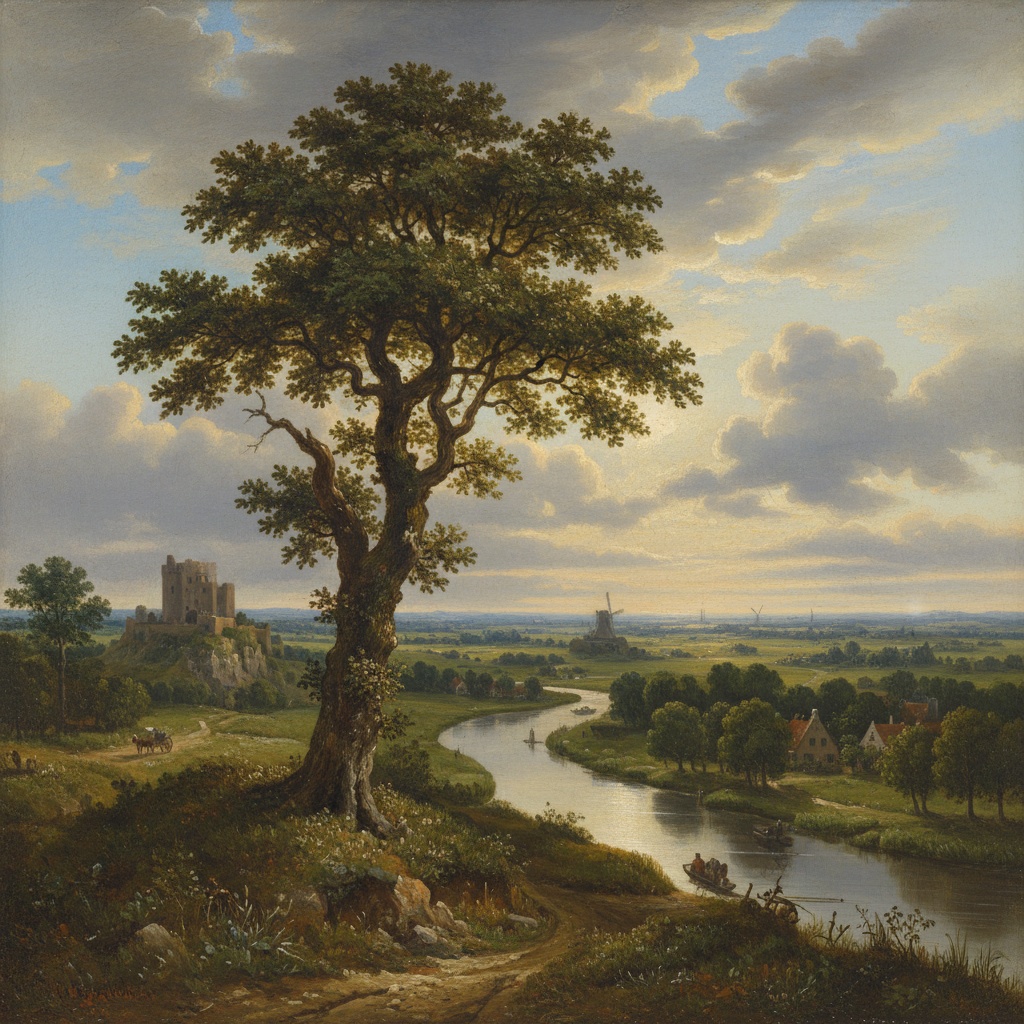
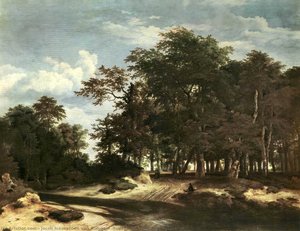
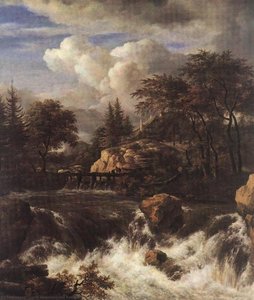
What truly sets Ruisdael apart is his unparalleled ability to capture the nuances of light and atmosphere. He wasn't simply recording what he saw; he was interpreting it, imbuing his landscapes with a sense of depth, mood, and even spirituality. His technique involved layering thin glazes of oil paint, creating subtle gradations of color and tone that convincingly simulate aerial perspective – the effect the atmosphere has on distant objects, rendering them paler and less detailed. This is beautifully exemplified in works like “Mountain Torrent” (1670), where the misty peaks recede into the background, conveying a palpable sense of distance and scale.
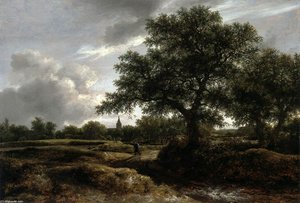
Ruisdael’s attention to detail is equally remarkable. He meticulously rendered every leaf on a tree, every ripple in a stream, every cloud in the sky. However, this wasn't simply about photographic accuracy; it was about creating a believable and immersive world. His brushwork, while precise, retains a sense of spontaneity and energy, preventing his landscapes from feeling overly contrived or academic. He often employed a high horizon line, allowing him to showcase expansive skies filled with dramatic cloud formations – a hallmark of his style that contributes significantly to the emotional impact of his paintings.
Beyond Realism: Symbolism and Narrative in Ruisdael's Works
To view Ruisdael’s landscapes as purely topographical representations would be a profound misunderstanding. Beneath the surface realism lies a rich layer of symbolism and narrative. His scenes are often populated with subtle details that hint at deeper meanings. Ruined castles, crumbling churches, or abandoned mills frequently appear in his compositions, serving as *memento mori* – reminders of the transience of earthly power and glory. These elements weren’t simply aesthetic choices; they reflected a broader cultural preoccupation with mortality and the fleeting nature of time.
Consider “Landscape with Herdsman and Cows Crossing a Bridge.” While seemingly a simple depiction of rural life, the inclusion of the dilapidated bridge suggests decay and loss. The herdsman, often interpreted as a symbol of human labor, is dwarfed by the vastness of the landscape, emphasizing humanity’s insignificance in the face of nature's power. Even the weather itself can be imbued with symbolic meaning – stormy skies representing turmoil or tranquility signifying peace.
National Identity & the Golden Age: Reflecting a Flourishing Republic
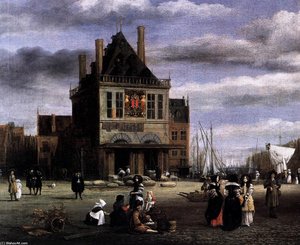
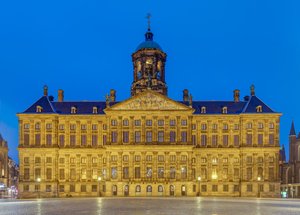 Royal Palace Amsterdam
Explore the Royal Palace Amsterdam – a Dutch Baroque masterpiece housing Rembrandt & Vermeer paintings and historic royal artifacts. Immerse yourself in Dutch history and artistic brilliance!
Ruisdael’s work is inextricably linked to the cultural and political context of the Dutch Golden Age. The newly independent Dutch Republic was experiencing unprecedented economic prosperity, fueled by its dominance in global trade. This newfound wealth fostered a spirit of innovation and self-confidence, which found expression in all areas of artistic endeavor. The landscapes Ruisdael painted weren’t idealized visions of pastoral bliss; they were depictions of the *actual* Dutch countryside – the fields, forests, and waterways that defined the nation's identity.
His paintings celebrated the industriousness of the Dutch people, their connection to the land, and their mastery of water management. The windmills, canals, and harbors that feature prominently in his works are not merely picturesque elements; they represent the ingenuity and resourcefulness that underpinned the Republic’s success. In a subtle but powerful way, Ruisdael's landscapes helped to forge a sense of national pride and collective identity.
Ruisdael’s Legacy: Influence on Subsequent Landscape Painting
Jacob van Ruisdael’s influence on subsequent generations of landscape painters is undeniable. His technical innovations – his masterful use of light, atmosphere, and detail – were widely emulated by artists throughout Europe. His emphasis on realism and emotional depth paved the way for later movements such as Romanticism, where landscapes became vehicles for expressing subjective experience and spiritual longing.
Artists like Thomas Gainsborough, with his atmospheric depictions of the English countryside, clearly demonstrate Ruisdael’s impact. The subtle nuances of light and shadow in Gainsborough's “Landscape with Herdsman and Cows Crossing a Bridge” (1772) echo Ruisdael’s techniques. Even beyond direct imitation, Ruisdael’s legacy lies in his elevation of landscape painting to the status of high art – a tradition that continues to inspire artists today.
Collecting Ruisdael Today: A Timeless Investment
Owning a work by Jacob van Ruisdael is not merely acquiring a beautiful object; it’s possessing a piece of history, a testament to the artistic genius of the Dutch Golden Age. His paintings are highly sought after by collectors and museums worldwide, representing a sound investment with enduring value.
While original works command significant prices, reproductions offered by ArtsDot.com allow art enthusiasts to experience the beauty and emotional power of Ruisdael’s landscapes firsthand. Whether you choose a meticulously hand-painted oil reproduction or a high-quality giclée print, you'll be bringing a timeless masterpiece into your home. Explore our collection today and discover the enduring allure of Jacob van Ruisdael – a true master of Dutch landscape painting.