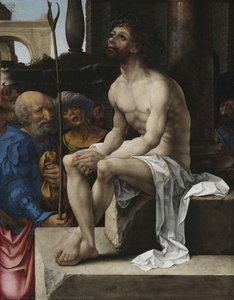
Early Life & Training: From Maubeuge to Antwerp
Jan Gossaert (c. 1478 – 1 October 1532) was a French-speaking painter from the Low Countries also known as Jan Mabuse (the name he adopted from his birthplace, Maubeuge) or Jennyn van Hennegouwe (Hainaut), as he called himself when he matriculated in...
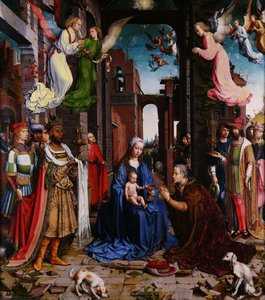
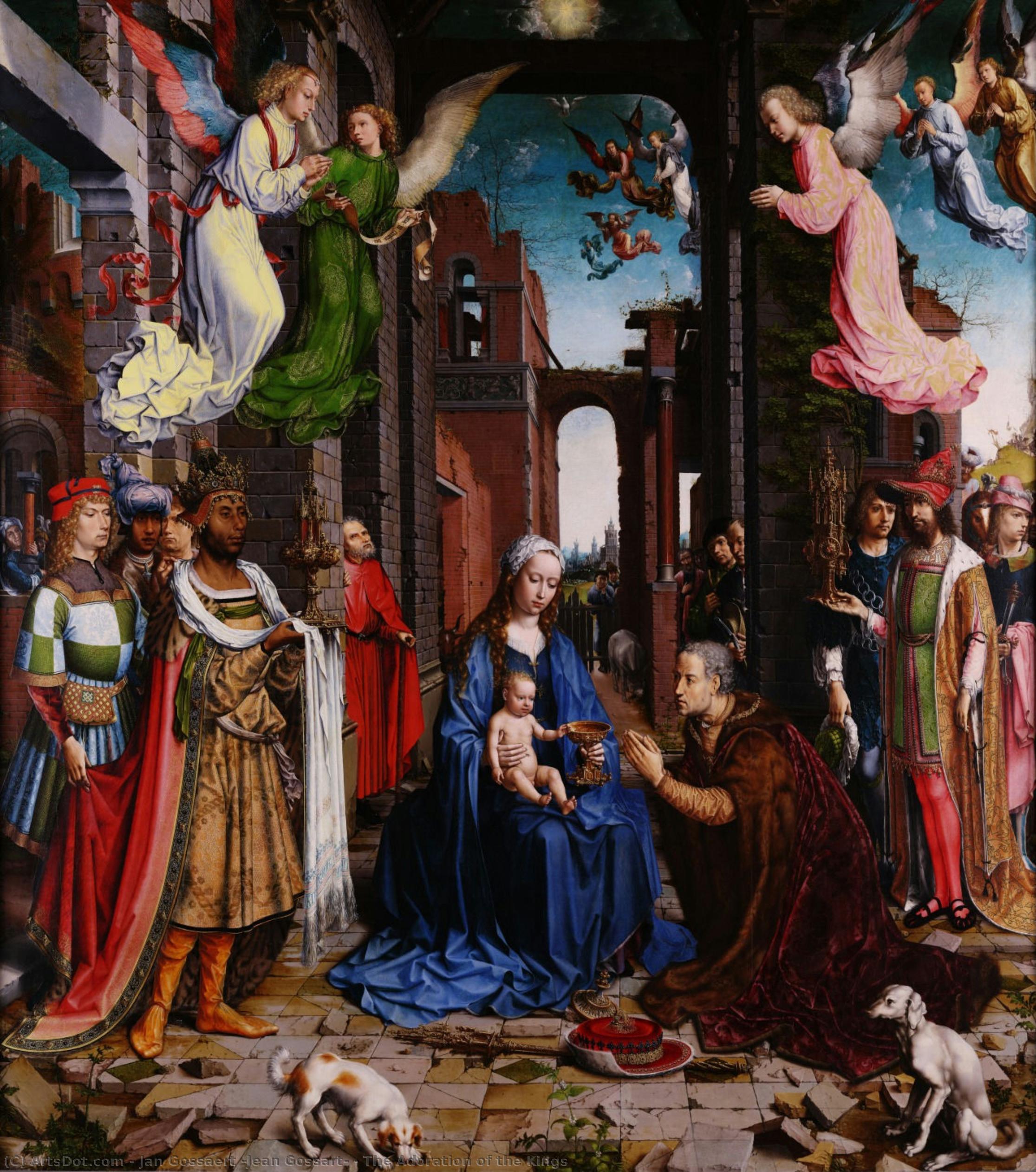
The story of Jan Gossaert, often known as Jan Mabuse, begins shrouded in the mists of the late 15th century. Born around 1478, likely in Maubeuge – a town straddling the border between France and the Netherlands – his early artistic formation remains somewhat elusive. What we do know is that he quickly gravitated towards Antwerp, then a burgeoning center for trade, craftsmanship, and increasingly, artistic innovation. Antwerp’s Guild of Saint Luke welcomed him as a master in 1503, marking a formal entry into the professional world of painting. However, Gossaert's early works reveal an artist already possessing a distinctive style, one that hinted at influences beyond the immediate Flemish tradition. His initial paintings, such as the Adoration of the Kings, demonstrate a meticulous attention to detail characteristic of the Antwerp school, yet they also possess a certain formality and precision that sets them apart – a nascent desire for something more than simply replicating established forms.
The Italian Journey (1508-1509): Embracing Romanism
 jan gossaert (jean gossart)
Jan Gossaert (c. 1478-1532) was a pioneering Dutch Renaissance painter, known as Jan Mabuse. He blended Italian & Northern European styles, introducing Romanism to the Low Countries with portraits, altarpieces & mythological scenes. A key figure in e
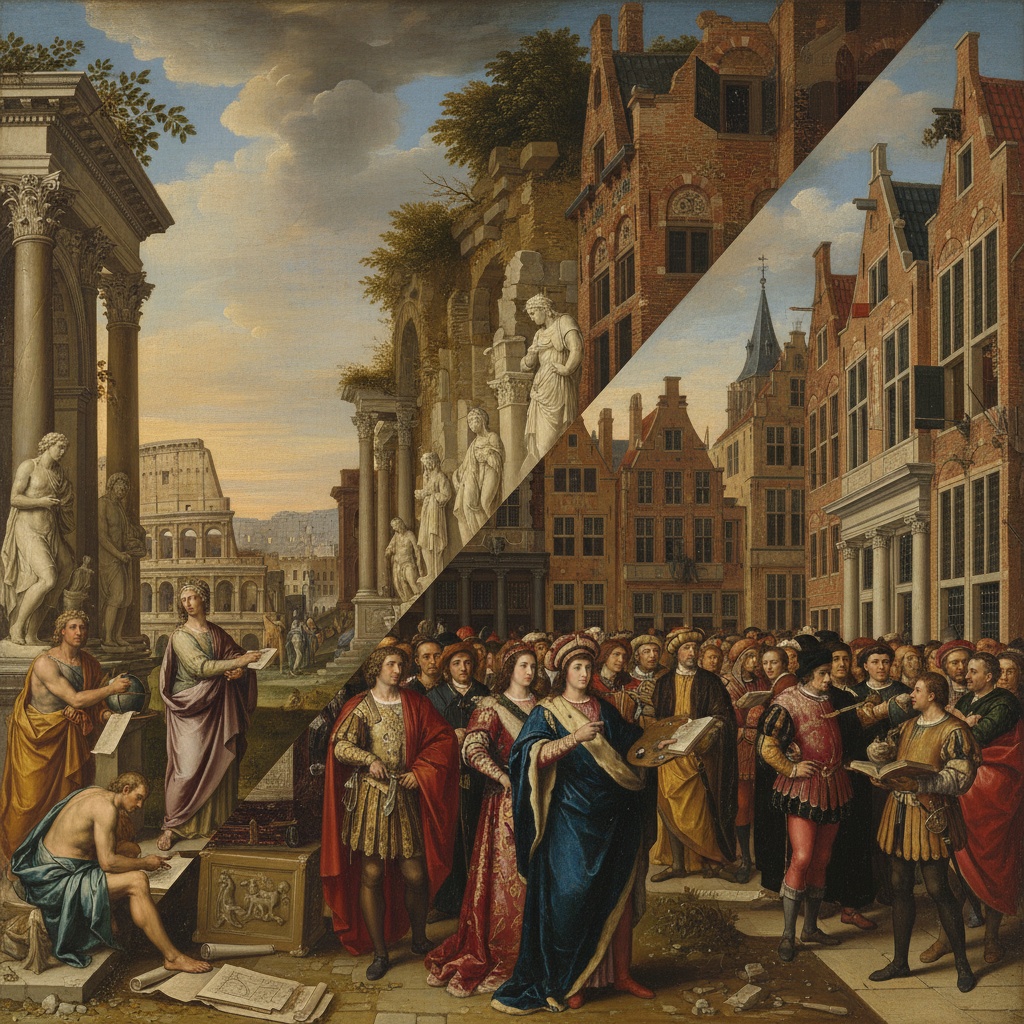
A pivotal moment arrived in 1508 when Gossaert, accompanying his patron Philip of Burgundy, embarked on a journey to Italy. This was not merely a diplomatic mission; it proved to be a transformative artistic pilgrimage. Rome, Florence, and Venice unfolded before him – cities brimming with the rediscovered glories of classical antiquity and the burgeoning masterpieces of High Renaissance masters like Leonardo da Vinci, Michelangelo, and Raphael. The impact was profound. Gossaert didn’t simply copy Italian styles; he absorbed them, filtered them through his Northern European sensibility, and began to forge a new artistic path. This embrace of Italianate forms – characterized by balanced compositions, idealized figures, and architectural grandeur – would come to define what became known as Romanism in the Low Countries.
A New Aesthetic: Classical Influences and Devotional Piety in Gossaert’s Paintings
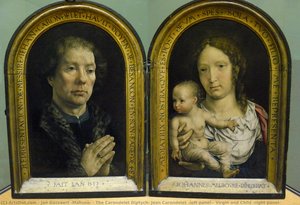
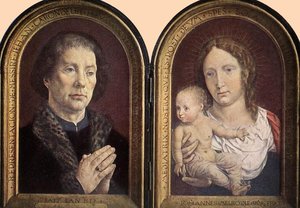 Diptych of Jean Carondelet
Admire Jan Gossaert’s ‘Diptych of Jean Carondelet’! A stunning Early Netherlandish masterpiece showcasing Romanism & devotional piety. Explore intricate detail & classical beauty.
Upon his return from Italy, Gossaert's work underwent a striking evolution. The influence of Italian Renaissance principles is immediately apparent, yet it wasn’t a wholesale adoption. He skillfully blended the classical ideals of beauty and proportion with the Northern European tradition of meticulous realism and symbolic detail. Consider the Diptych of Jean Carondelet (c. 1520-1525), a masterpiece that exemplifies this synthesis. The precise rendering of fabrics, jewels, and architectural elements speaks to his Flemish heritage, while the balanced composition, classical motifs, and dignified portrayal of Carondelet himself reflect his Italianate training. More than just portraits, these works are statements of status, piety, and intellectual engagement with the humanist ideals sweeping across Europe. Even in religious scenes like the Deposition, a dramatic intensity is achieved through carefully constructed compositions and emotionally resonant figures – a testament to Gossaert’s ability to infuse classical forms with profound spiritual meaning.
Portraits of Power: Reflecting Status & Renaissance Ideals
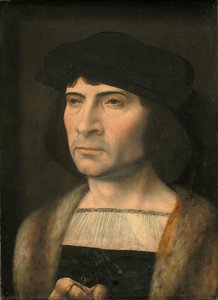
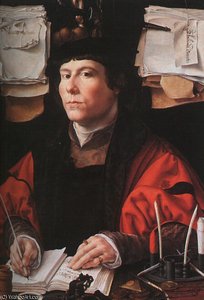 Portrait of a Merchant, National
Admire 'Portrait of a Merchant' by Jan Gossaert (Mabuse). A stunning Renaissance masterpiece showcasing Romanism & rich detail. Explore this iconic 1530 painting now.
Gossaert quickly became sought after as a portraitist, catering to the nobility and wealthy merchant class. His portraits weren't simply likenesses; they were carefully constructed representations of power, wealth, and social standing. He masterfully employed symbolism – clothing, jewelry, architectural settings – to convey his sitters’ status and aspirations. The Portrait of a Merchant (c. 1530) is a particularly compelling example. The merchant's somber expression, the rich detail of his attire, and the imposing architecture behind him all contribute to an image of authority and prosperity. These portraits reflect the burgeoning Renaissance emphasis on individualism and human achievement – a shift away from purely religious iconography towards celebrating earthly power and intellect.
Gossaert's Mythological Innovations & the Rediscovery of Antiquity
Perhaps the most groundbreaking aspect of Gossaert’s oeuvre lies in his exploration of mythological subjects. This was relatively uncharted territory for Northern European painting at the time, and Gossaert approached it with a unique vision. He wasn’t simply retelling classical stories; he was actively engaging with the rediscovery of antiquity itself. Recent scholarship, notably highlighted by Marisa Anne Bass's work on “Jan Gossart and the Invention of Netherlandish Antiquity,” suggests that his mythological paintings were part of a larger cultural effort to assert a distinct Netherlandish heritage, independent from the perceived dominance of Roman culture. His monumental nudes, often set within elaborate architectural frameworks, challenged conventional notions of modesty and decorum while simultaneously demonstrating a sophisticated understanding of classical form and symbolism. These works weren’t mere imitations; they were bold statements of artistic innovation and intellectual ambition.
Legacy and Influence: Shaping Northern Renaissance Art
Jan Gossaert's impact on the development of Northern Renaissance art is undeniable. He introduced Romanism to a region steeped in tradition, paving the way for a new generation of artists who embraced classical ideals while retaining their distinctive Flemish sensibilities. His influence can be seen in the works of painters like Jan van Scorel and Cornelis van Haarlem, who further developed his style and spread it throughout Europe. While sometimes criticized for a perceived stiffness in his figures, Gossaert’s meticulous technique, dramatic compositions, and intellectual engagement with classical antiquity cemented his place as a pivotal figure in the transition from Late Gothic Mannerism to the High Renaissance. His paintings continue to captivate viewers today, offering a glimpse into a world of power, piety, and artistic innovation – a testament to the enduring legacy of this pioneering artist. Explore the masterpieces of Jan Gossaert and discover the beauty of the Northern Renaissance at ArtsDot.com, where history comes alive through stunning reproductions.