Early Life and Training: The Foundations of a Viennese Topographer
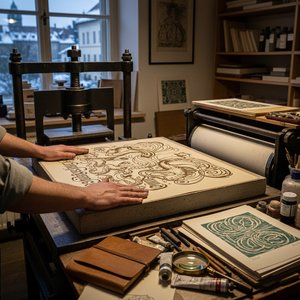
Lithography (from Ancient Greek λίθος (líthos) 'stone' and γράφω (gráphō) 'to write') is a planographic method of printing originally based on the immiscibility of oil and water. The printing is from a stone (lithographic limestone) or a metal plat...
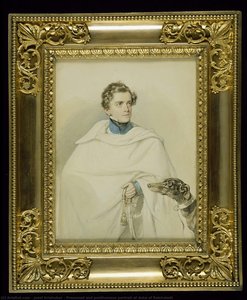
Josef Kriehuber, born in Vienna on December 14th, 1800, wasn’t merely an artist; he was a visual cartographer of his time. His legacy isn't simply one of beautiful images, but of meticulously documented faces and places that offer us a profound glimpse into the heart of Biedermeier society. While often celebrated for his prolific portraiture, Kriehuber’s artistic journey began with foundational training under his brother Johann, laying the groundwork for an acute observational skill that would define his career. This early tutelage was supplemented by formal studies at the Vienna Academy under Hubert Maurer, where he honed his draftsmanship and developed a keen understanding of composition. However, it was a subsequent period spent in Galicia, dedicated to horse painting, that subtly shaped his ability to capture movement and form – qualities later evident even within the static confines of portraiture.
This initial diversification wasn’t accidental; Kriehuber possessed an insatiable curiosity and a willingness to explore various artistic avenues. It was this very openness that allowed him to seamlessly integrate technical precision with a growing sensitivity towards capturing character, setting the stage for his eventual mastery of lithography – a medium poised to revolutionize visual representation.
The Rise of Lithography: Kriehuber's Technical Mastery and Artistic Innovation
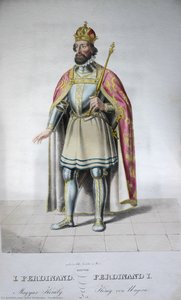 Ferdinand I
Discover the regal portrait of Ferdinand I by Josef Kriehuber, 1828. A detailed, realistic masterpiece showcasing royal authority, noble attire, and intricate symbolism. Perfect for art collectors and history enthusiasts.
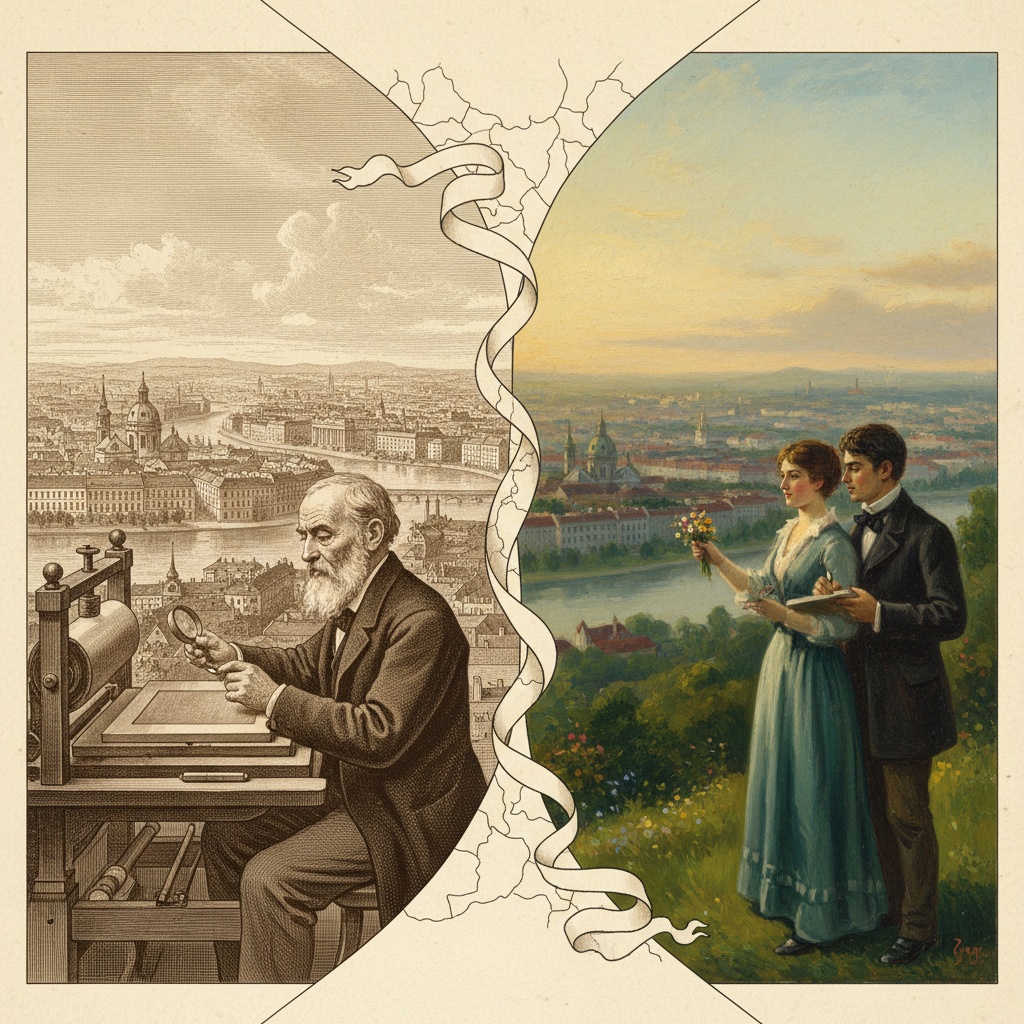
The early 19th century witnessed a burgeoning appetite for accessible imagery, and it was lithography that answered the call. Invented in 1796 by Alois Senefelder, this planographic printing process – relying on the immiscibility of oil and water – offered an unprecedented level of detail and reproducibility compared to traditional methods like engraving or woodcut. Kriehuber embraced this new technology with fervor, quickly becoming one of its most accomplished practitioners. He wasn’t simply replicating images; he was refining the technique itself.
Kriehuber's skill lay in his ability to translate the nuances of a subject onto the lithographic stone – or later, metal plates – with remarkable fidelity. The process demanded an intimate understanding of chemical interactions and a steady hand capable of rendering subtle gradations of tone. His portraits weren’t merely likenesses; they were studies in light and shadow, capturing not just physical features but also something of the sitter's inner life. This dedication to detail, coupled with his prolific output – over 3000 lithographs throughout his career – established him as a leading figure in Viennese artistic circles.
Portraying Vienna’s Elite: Kriehuber as Chronicler of Biedermeier Society
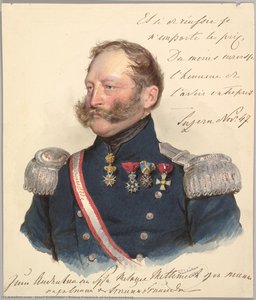
Kriehuber's studio became a nexus for the prominent figures of mid-19th century Vienna. From nobility and government officials to composers, musicians, and actors, he documented the faces that shaped the cultural landscape of the era. His portraits weren’t commissioned simply as vanity projects; they were statements of status, symbols of belonging within a tightly knit social hierarchy. Consider his 1828 portrait of Ferdinand I, Emperor of Austria – a regal depiction radiating authority and noble bearing. The intricate detailing of the attire, the carefully rendered facial features, all served to reinforce the image of imperial power.
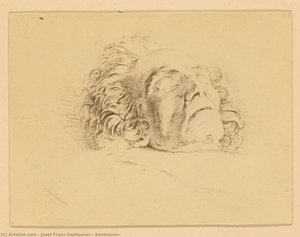
Similarly, his lithograph of Franz Schubert, created posthumously in 1846, transcends mere representation. It’s a dignified portrayal that captures the composer's introspective nature and artistic sensitivity. Kriehuber wasn’t just recording appearances; he was interpreting character, offering viewers a glimpse into the souls of his subjects. This ability to convey personality through meticulous observation is what sets his work apart.
Beyond Portraits: Landscapes, Studies, and the Prater Park Series
While renowned for his portraits, Kriehuber’s artistic interests extended beyond the human form. He also produced a significant body of landscape lithographs and studies that reveal a keen eye for atmospheric effects and natural beauty. His series dedicated to the Prater Park, Vienna's beloved public space, offers a particularly compelling example of his versatility.
These works aren’t grand panoramic vistas; they are intimate glimpses into everyday life within the park – scenes of leisurely strolls, bustling crowds, and quiet moments of contemplation. They capture the essence of Viennese leisure culture, providing valuable insights into the social customs and recreational habits of the time. This dedication to documenting the ordinary alongside the extraordinary underscores Kriehuber’s role as a chronicler of his era.
Kriehuber’s Legacy: Influence, Collections, and a Lasting Impression
Josef Kriehuber died in Vienna on May 30th, 1876, leaving behind an extraordinary body of work that continues to captivate art enthusiasts today. His influence extended beyond his immediate circle, inspiring generations of lithographers with his technical mastery and dedication to detail. While the advent of photography eventually diminished the demand for portrait lithography, Kriehuber’s legacy endures.
His works are now held in prestigious collections such as the Albertina (Vienna) and the Austrian National Library, offering scholars and art lovers a unique window into 19th-century Viennese society. The meticulous detail and evocative characterizations found within his lithographs provide invaluable insights into the lives of those who shaped the cultural landscape of Austria. At ArtsDot.com, we are proud to offer high-quality reproductions of Kriehuber’s masterpieces, allowing you to experience the beauty and historical significance of his work firsthand. Explore our collection today and discover the enduring appeal of this remarkable artist.