
Introduction: Beyond Titian – Discovering Lorenzo Lotto's Unique Vision
The Venetian Renaissance, a period synonymous with breathtaking color, opulent compositions, and masters like Titian and Giorgione, often overshadows the contributions of equally compelling, yet more enigmatic figures. Among these is Lorenzo Lotto (c. 1480 – 1556/57), an artist whose work possesses a singular psychological depth and quiet intensity that sets him apart. While his contemporaries achieved widespread fame during their lifetimes, Lotto’s path was marked by geographical restlessness and a stylistic independence that led to relative obscurity for centuries. Today, however, he is increasingly recognized as one of the most important portraitists of the Renaissance, a painter who didn't merely record likenesses but seemed to capture the very soul of his sitters.
A Life Less Ordinary: Lotto’s Nomadic Career and Independent Spirit
Born in Venice, Lotto quickly diverged from the established artistic circles of the city. Rather than remaining within the competitive environment dominated by Bellini, Giorgione, and Titian, he embarked on a peripatetic career that took him throughout Northern Italy – Treviso, the Marche region, Rome, Bergamo, Ancona, and finally Loreto. This nomadic existence wasn’t born of choice, perhaps, but necessity; his style, while rooted in Venetian traditions, possessed an idiosyncratic quality that didn't always align with the tastes of specific courts or patrons. Vasari noted Lotto’s attempts to secure commissions in Rome alongside Raphael, yet his work there was apparently not well-received. This pattern – a blend of success and rejection – characterized much of his life. Remarkably, he eventually embraced a lay brotherhood within the Franciscan order at Loreto, dedicating his later years primarily to religious painting. This final chapter speaks volumes about Lotto’s complex personality: a man deeply engaged with spirituality yet perpetually seeking something beyond conventional artistic or social norms.
Psychological Depth in Portraiture: Capturing the Inner Lives of Renaissance Sitters
 Wikipedia: Lorenzo Lotto
Lorenzo Lotto (c. 1480 – 1556/57) was an Italian Renaissance painter, draughtsman, and illustrator, traditionally placed in the Venetian school, though much of his career was spent in other north Italian cities. He painted mainly altarpieces, religio...
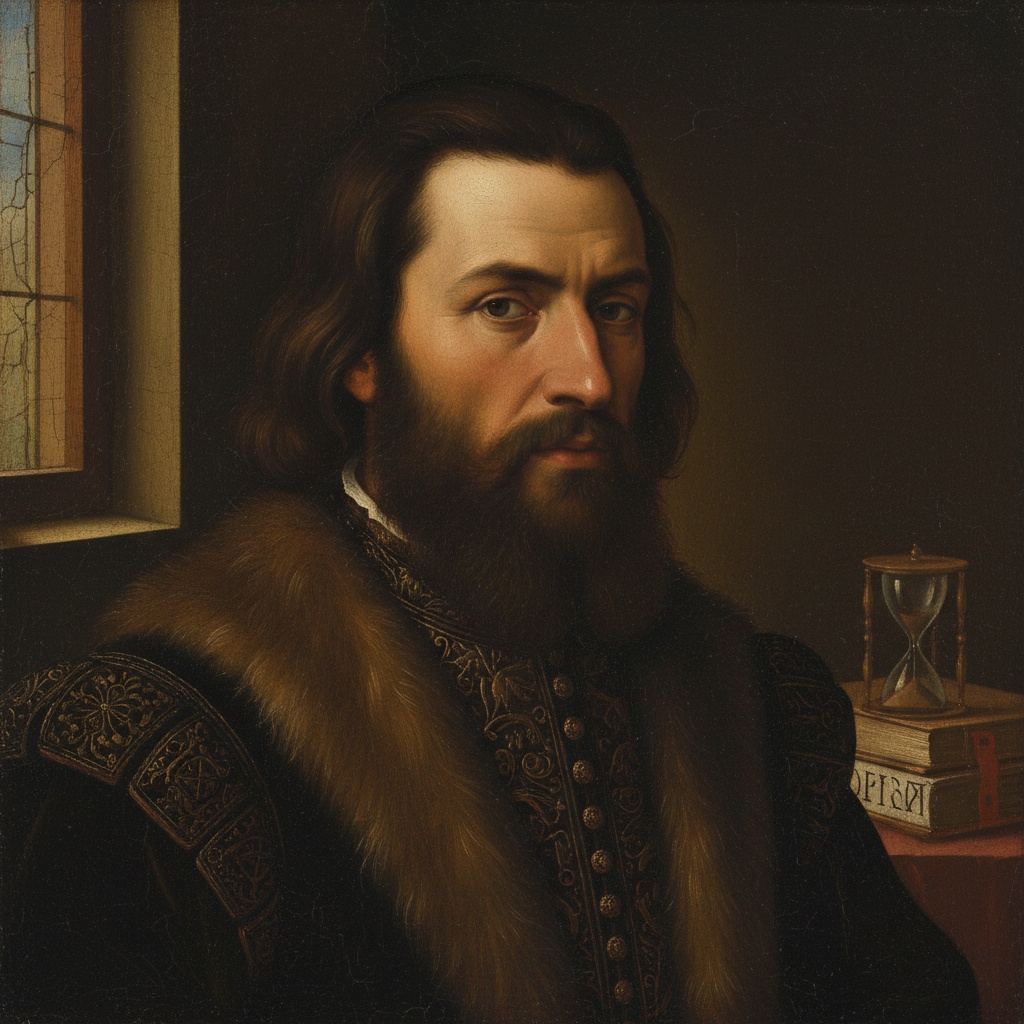
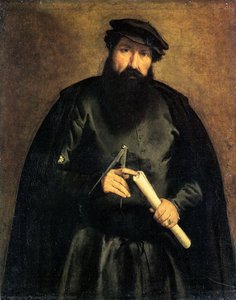
Lotto's true genius lies in his portraits. Unlike many Renaissance artists who focused on idealized beauty and aristocratic grandeur, Lotto sought to portray individuals with a startling degree of realism and psychological insight. His sitters aren’t simply presented; they *observe* us, their gazes often direct and penetrating, conveying a sense of intelligence, anxiety, or quiet contemplation. Consider the portrait of Andrea Odoni (Royal Collection), a wealthy merchant surrounded by his treasured antiquities. The painting isn't merely a display of wealth but a nuanced exploration of character – Odoni’s pride, intellectual curiosity, and perhaps even a hint of melancholy are palpable. He masterfully employed techniques to achieve this effect: the use of dark backgrounds that intensify focus on the face, subtle shifts in lighting that reveal bone structure and emotion, and an almost unsettling realism in the rendering of hands and clothing. He brought his subjects closer to the viewer, eliminating traditional parapets or ledges, creating a more intimate connection.
Symbolism and Allegory: Decoding Hidden Meanings in Lotto’s Works
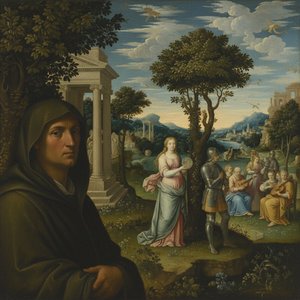
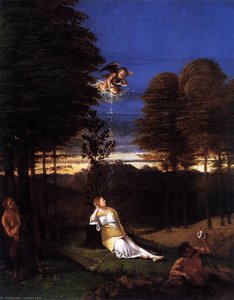
 Allegory
Delve into Lorenzo Lotto's 'Allegory,' a captivating High Renaissance oil painting rich with symbolic imagery and masterful use of light & shadow. Explore its enigmatic narrative.
Beyond capturing likenesses, Lotto imbued his portraits with layers of symbolic meaning. Objects within the compositions often served as visual clues to the sitter's status, interests, or aspirations – a book might signify learning, a musical instrument artistic sensibility, or a particular flower marital fidelity. His *Portrait of Febo da Brescia* exemplifies this approach; the wealth and authority of the subject are conveyed not only through his attire but also through carefully chosen details that speak to his social standing. Even more intriguing are Lotto’s allegorical paintings, such as *Allegory*, rich with enigmatic imagery and complex narratives. These works aren't easily deciphered, inviting viewers to engage in a process of interpretation and speculation. The use of light and shadow is particularly masterful here, creating a sense of mystery and drawing attention to key symbolic elements. He often incorporated subtle religious symbolism into secular portraits, hinting at the spiritual undercurrents that permeated Renaissance life.
Lotto's Artistic Style: A Blend of Influences and a Distinctive Approach
Lotto’s style was shaped by a diverse range of influences. He absorbed early lessons from Giovanni Bellini and Giorgione, evident in his delicate color palettes and atmospheric effects. However, he quickly developed a distinctive voice characterized by angular gestures, congested compositions, and a meticulous attention to detail reminiscent of Northern European painting. His use of chiaroscuro – the dramatic contrast between light and shadow – is particularly striking, creating a sense of depth and volume that sets his work apart. While firmly rooted in the High Renaissance tradition, Lotto’s paintings also foreshadow elements of Mannerism, with their nervous energy and eccentric posings. He wasn't afraid to experiment with perspective and composition, often employing unconventional angles and viewpoints. His contemporaries like Giovanni Girolamo Savoldo shared a similar interest in realistic detail and subtle chiaroscuro, but Lotto’s work possesses a unique psychological intensity that remains unmatched.
Rediscovery and Legacy: From Obscurity to Acclaimed Venetian Master
Despite his success during his lifetime, Lorenzo Lotto fell into relative obscurity after his death. His paintings were often relegated to provincial churches or private collections, largely forgotten by art historians for centuries. It wasn’t until the late 19th century that Bernard Berenson rediscovered him, championing his work as a precursor to modern portraiture and highlighting his exceptional ability to capture the inner lives of his sitters. Berenson's interpretation resonated with a society increasingly fascinated by psychology and individuality, leading to a renewed appreciation for Lotto’s unique vision. Today, he is celebrated as one of the most important Venetian Renaissance masters, an artist whose portraits continue to captivate and intrigue viewers with their psychological depth, symbolic richness, and quiet beauty. ArtsDot offers stunning reproductions of Lotto's masterpieces, allowing you to experience the brilliance of this enigmatic painter in your own home. Explore our collection and discover the captivating world of Lorenzo Lotto – a testament to the enduring power of art to reveal the complexities of the human spirit.