The Dawn of Harmony: Defining the High Renaissance Era
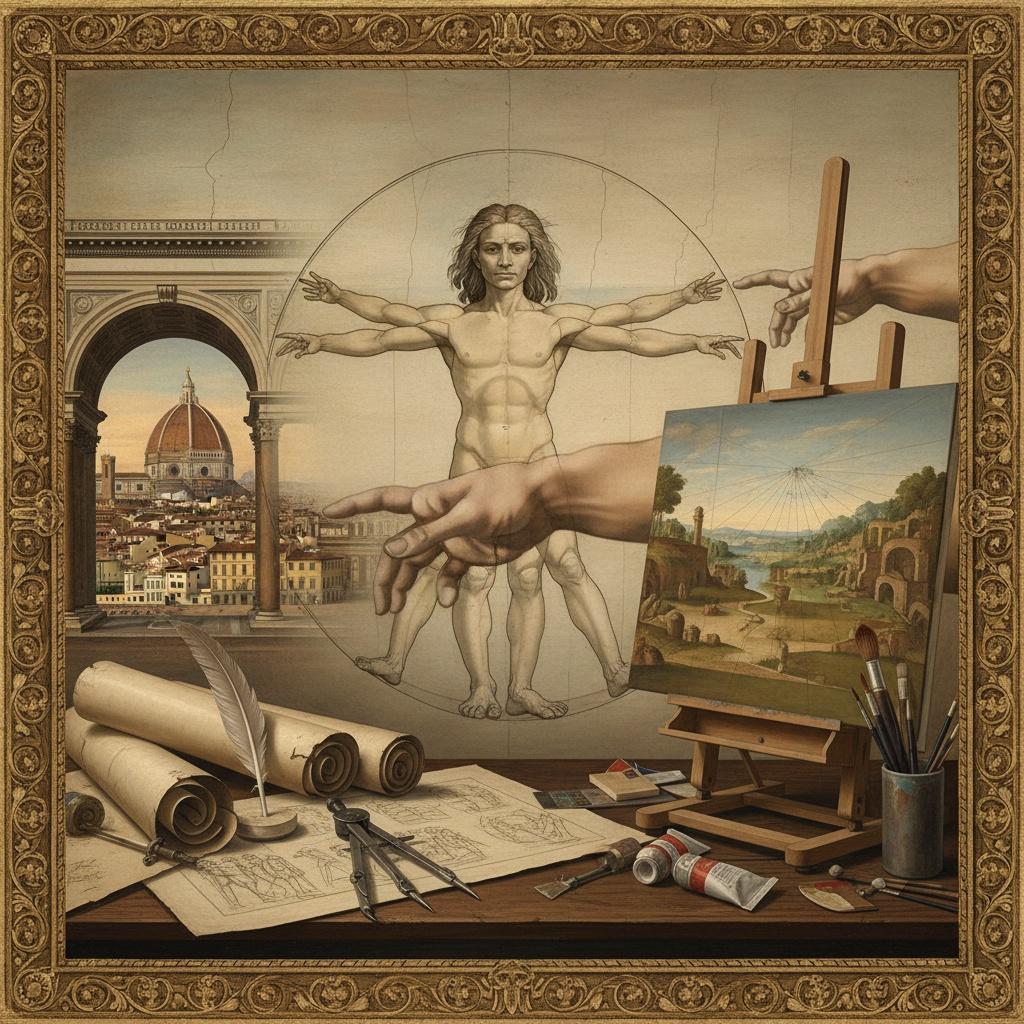
The transition from the Early Renaissance to the High Renaissance marks one of the most profound shifts in the history of human expression. It was an era where the experimental spirit of the previous century matured into a state of sublime equilibrium, a period often described as the pinnacle of artistic achievement. This movement, flourishing primarily in Italy between the 1490s and 1527, was not merely a continuation of what came before but a sophisticated synthesis of scientific observation and poetic idealism. Artists moved beyond the mere depiction of reality to capture its divine essence, seeking a balance that felt both naturalistic and transcendent.
At the heart of this era lay a profound sense of order and stability. The chaotic textures and fragmented perspectives of earlier decades gave way to compositions characterized by geometric clarity and pyramidal structures. This was an age where the artist functioned as both a scientist and a philosopher, utilizing the laws of mathematics and anatomy to construct worlds that felt infinitely more perfect than our own. To witness a High Renaissance masterpiece is to experience a moment of stillness, where every limb, every shadow, and every architectural element exists in a state of orchestrated grace.
The cultural atmosphere of the time provided the fertile soil necessary for such brilliance. The patronage of powerful families, most notably the Medici in Florence and the Papacy in Rome, allowed masters to dedicate themselves to the pursuit of perfection without the constraints of mere utility. This era was defined by a collective aspiration toward humanitas—the cultivation of human excellence through art, intellect, and classical wisdom.
Architectural Grandeur and Classical Rebirth: The Influence of Roman Antiquity
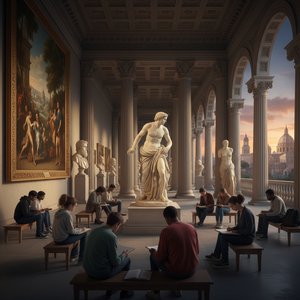
The High Renaissance was deeply rooted in a profound reverence for the ruins of antiquity. As scholars and artists unearthed the remnants of the Roman Empire, they did not see mere rubble; they saw a blueprint for a new civilization. This architectural rebirth sought to replicate the monumental scale and mathematical precision of ancient Rome, integrating classical orders—Doric, Ionic, and Corinthian—into a cohesive language of power and permanence. The influence of this era is perhaps most visible in the way space was conceived, moving from flat, decorative surfaces to deep, structured environments that commanded respect.
A quintessential example of this architectural dialogue can be seen in the works of Michelangelo Buonarroti, particularly his vision for the Capitoline Hill. Here, the mastery of classical influence is evident in the way space is manipulated to create a sense of urban dignity and rhythmic order. The use of chiaroscuro—the dramatic interplay of light and shadow—within these architectural contexts added a layer of psychological depth, making the stone feel alive and the spaces feel inhabited by history itself.
This period saw the integration of painting, sculpture, and architecture into a singular, unified vision. The concept of the "total work of art" began to emerge, where a frescoed ceiling or a sculpted facade was not an isolated decoration but a vital component of a larger, harmonious whole. By looking backward to the grandeur of Rome, High Renaissance masters were able to propel the visual arts forward, creating a legacy of structural integrity that would influence Western civilization for centuries to come.
Masters of Light and Form: Analyzing Chiaroscuro and Sfumato Techniques
To understand the technical brilliance of the High Renaissance, one must look closely at the revolutionary techniques used to manipulate light and atmosphere. The era was defined by a departure from harsh outlines in favor of soft, seamless transitions that mimicked the way the human eye perceives depth and volume. Two primary techniques emerged as the pillars of this movement: sfumato and chiaroscuro.
The technique of sfumato, most famously perfected by Leonardo da Vinci, involves the subtle, smoky blending of colors and tones. By eliminating sharp borders between objects and their surroundings, artists were able to create a sense of atmospheric perspective, where figures seem to emerge from a misty, dreamlike haze. This softness lends a profound sense of mystery and life to the subjects, as if they are breathing within a real, palpable atmosphere.
Complementing this was the mastery of chiaroscuro, the strategic use of strong contrasts between light and dark to model three-dimensional forms. Through the careful placement of highlights and deep shadows, painters could sculpt figures outant of the darkness, giving them a tactile, muscular presence on a two-dimensional surface. This interplay of light did more than just create volume; it directed the viewer's eye, emphasized emotional weight, and imbued the canvas with a dramatic, theatrical energy. These techniques allowed artists to move beyond mere representation, using light as a tool for storytelling and spiritual expression.
The Human Condition: Idealism, Anatomy, and Emotional Depth in Portraiture
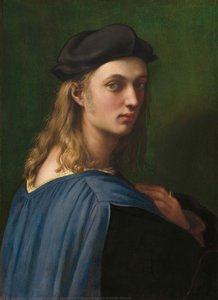
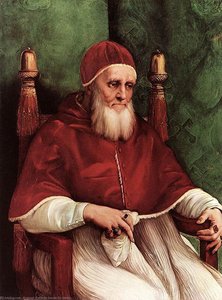
Portraiture during the High Renaissance reached a level of psychological complexity that had never before been achieved. While earlier portraits often served as static records of status and wealth, the masters of this era sought to capture the anima—the very soul—of their subjects. This was accomplished through an unprecedented understanding of human anatomy and the subtle nuances of facial expression.
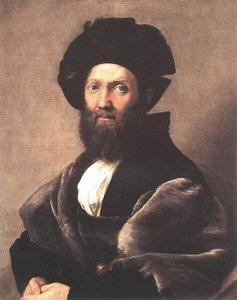
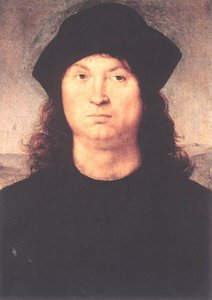
The portrait of Baldassare Castiglione by Raphael stands as a cornerstone of this tradition. In this work, we see more than just a dignified gentleman in refined attire; we witness a gaze that suggests profound intellect and inner composure. The artist utilizes the principles of anatomical accuracy to render the weight of the fabric and the structure of the face, yet he elevates the subject through an idealized grace. This balance between the physical reality of the person and their idealized character is the hallmark of High Renaissance portraiture.
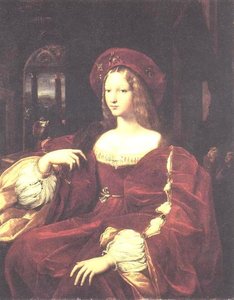
Furthermore, the influence of artists like Antonio da Correggio introduced a new layer of sensuality and emotional fluidity to the genre. His ability to use soft light and tender compositions allowed for a more intimate connection between the viewer and the subject. Whether through the subtle curve of a lip or the thoughtful tilt of a head, the portraits of this era invite us into a dialogue with the past, presenting human beings who are at once physically present and eternally idealized.
Legacy of the Greats: From Raphael’s Grace to Michelangelo’s Power
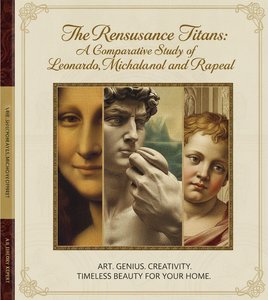
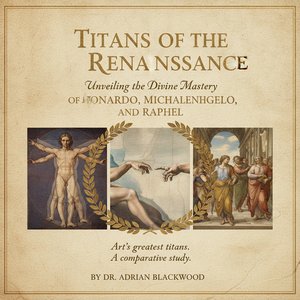
The High Renaissance was an era of titans, each contributing a unique facet to the mosaic of perfection. The movement's legacy is best understood through the contrasting yet complementary styles of its most celebrated figures. On one hand, we have the grace and harmony of Raphael, whose compositions possess a clarity and sweetness that seem to embody the very concept of divine order. His ability to organize complex groups of figures into balanced, aesthetically pleasing arrangements remains a standard for classical beauty.
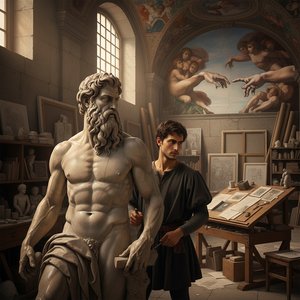
On the other hand, the monumental power of Michelangelo represents the more heroic, turbulent side of the Renaissance spirit. His work, characterized by muscular tension and profound emotional struggle, pushed the boundaries of what the human form could express. Where Raphael offered balance, Michelangelo offered drama; where Raphael sought serenity, Michelangelo explored the sublime. Together, these approaches provided a complete spectrum of human experience, from the peaceful to the tempestuous.
As we look back on this period, we see that the High Renaissance was not just a chapter in art history, but a transformative moment that redefined the potential of human creativity. The techniques developed, the anatomical truths discovered, and the philosophical heights reached during these decades continue to resonate in every corner of the art world. It remains an enduring testament to the pursuit of excellence, reminding us that through discipline, observation, and passion, we can touch the infinite.
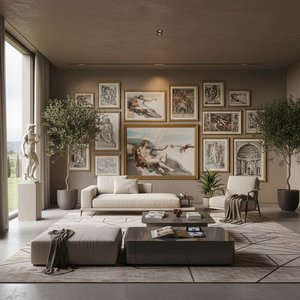
At ArtsDot.com, we are dedicated to preserving this magnificent legacy. Our mission is to bring the timeless beauty of the Old Masters into the modern home through meticulously handcrafted oil reproductions and museum-quality prints. Whether you seek a custom portrait that captures your own essence or a grand mural inspired by the frescoes of the Renaissance, our artists use traditional techniques—applying multiple layers of pigment on heavy-duty canvas—to ensure every brushstroke retains the soul and texture of the original masterpieces. We invite you to explore our collection and bring the enduring spirit of the High Renaissance into your personal space.