![The Anatomy Lecture Of Dr. Nicolaes Tulp [1632] — Rembrandt Van Rijn](/media/artworks/images/thumbnails/12/01/1201b3f0503f4444b89f31dad3941765.jpg)
The Dawn of Brilliance: Contextualizing the Dutch Golden Age Prosperity
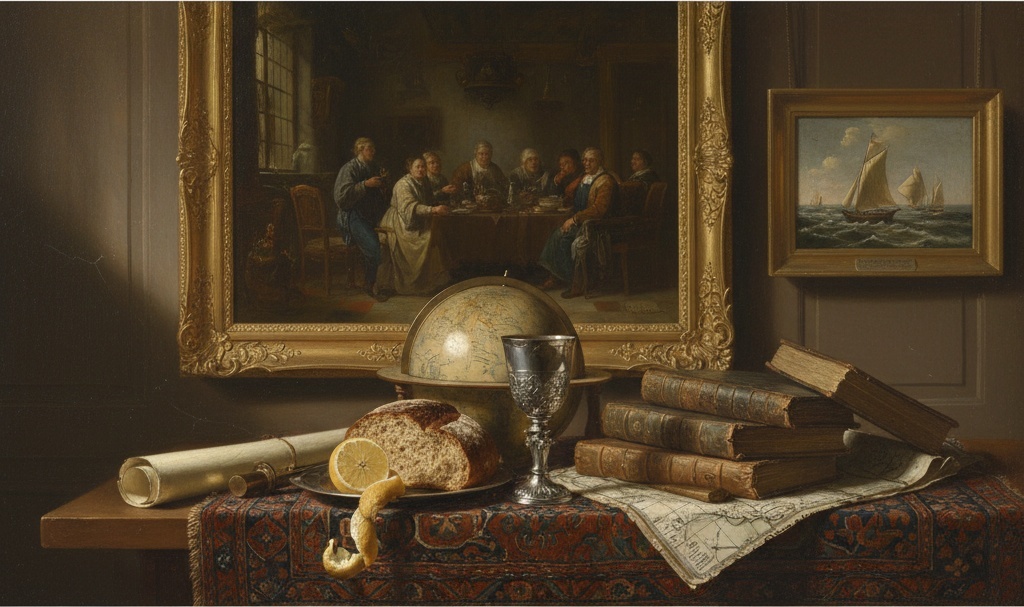
To understand the luminous intensity of the seventeenth century, one must first look toward the burgeoning mercantile ascendancy of the Netherlands. Unlike the rest of Europe, where art remained largely tethered to the grandiosity of the Church and the absolute authority of monarchs, the Dutch Republic experienced a unique period of secular splendor. The rise of a powerful merchant class, fueled by unprecedented maritime trade, created a new breed of art patron—individuals who sought beauty not in religious icons, but in the tangible reality of their own prosperous lives.
This era of economic triumph birthed a revolution in subject matter. The wealth flowing through Amsterdam and beyond allowed for the cultivation of specialized genres that celebrated the everyday. It was a time when a simple seascape or a quiet domestic interior could hold as much prestige as a royal portrait. This shift toward the secular and the observational laid the groundwork for an artistic movement that would forever change our perception of light, texture, and the profound dignity found within the ordinary.
Chiaroscuro's Alchemy: Rembrandt and the Dramatic Interplay of Light and Shadow
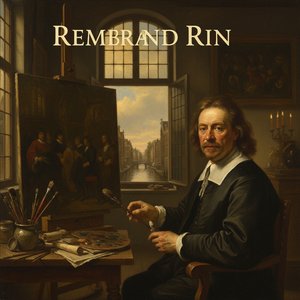
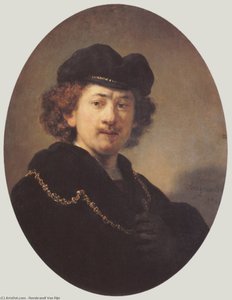
At the heart of this movement lies the transformative power of chiaroscuro, a technique that uses the stark contrast between light and dark to sculpt form and evoke emotion. No master wielded this alchemical tool with more profound psychological depth than Rembrandt van Rijn. In his hands, light was not merely an environmental factor but a theatrical protagonist, capable of piercing through the deepest shadows to reveal the very soul of his subjects.
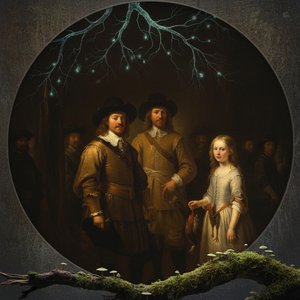
Consider the monumental impact of The Night Watch. In this revolutionary masterpiece, Rembrandt utilizes dramatic illumination to create a sense of movement and tension within a militia scene. The light does not simply fall upon the figures; it directs the viewer's gaze, highlighting the textures of armor and fabric while leaving much to the imagination in the surrounding gloom. Similarly, in works such as Jesus Disputing the Doctors, the interplay of shadow and brilliance creates a sculptural quality that brings intellectual debate to life through visual drama. This mastery of light allowed Rembrandt to transcend mere representation, turning oil on canvas into a living, breathing narrative of human experience.
Visionary Landscapes and Seascapes: The Expressive Earth and Sea
While the masters of portraiture captured the human spirit, other luminaries sought to document the vast, atmospheric majesty of the Dutch landscape. The seventeenth century saw a profound fascination with the elements—the rolling clouds, the shifting tides, and the pastoral serenity of the countryside. Artists like Jan Joost van Goyen became renowned for their ability to capture the expressive light that defines the maritime and rural experience.
These landscapes and seascapes were far more than topographical records; they were poetic meditations on the relationship between man and nature. Through meticulous attention to atmospheric perspective, these painters could evoke the dampness of a coastal mist or the golden warmth of a summer afternoon. The movement was characterized by:
- Maritime Majesty: Capturing the strength of the North Sea and the intricate details of naval vessels.
- Pastoral Serenity: Documenting the quiet, rhythmic life of rural communities and agricultural landscapes.
- Luminous Depth: Using light to create a sense of infinite distance and environmental realism.
The Human Narrative: Portraiture, Identity, and the Spirit of the Age
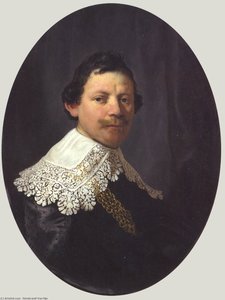
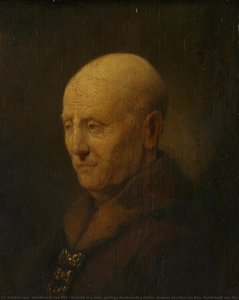
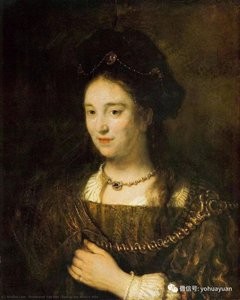
Portraiture during the Dutch Golden Age served as a vital medium for constructing identity and legacy. For the burgeoning middle class, a well-executed portrait was an assertion of status, character, and permanence. Artists such as Jacobus Levecq specialized in capturing the stately presence of their subjects, utilizing the textures of fine lace, velvet, and silk to communicate wealth and social standing.
These portraits were deeply psychological. Beyond the outward display of finery, there was an intense focus on the gaze and the subtle expressions that hinted at the sitter's inner life. The movement excelled at:
- Psychological Depth: Moving beyond mere likeness to capture the temperament and intellect of the individual.
- Material Realism: The masterful rendering of textures that provided a tactile sense of reality.
- Social Documentation: Preserving the fashion, etiquette, and dignity of the seventeenth-century merchant class.
<_br>
An Enduring Radiance: The Lasting Influence of Dutch Mastery on Art History
The brilliance of the Dutch Golden Age has never truly faded; instead, it continues to radiate through the centuries, influencing every subsequent generation of artists. The techniques perfected by Rembrandt and his contemporaries—the dramatic use of light, the celebration of the mundane, and the pursuit of emotional truth—remain fundamental pillars of Western art. Today, we find their influence in everything from the Impressionist study of light to the modern cinematic use of shadow.
For those who wish to bring this profound historical elegance into their own contemporary spaces, ArtsDot.com offers a bridge to the past. We specialize in creating exquisite, handmade oil reproductions that honor the spirit of these Old Masters. Our artists meticulously apply layers of paint to recreate the tactile brushstrokes and three-dimensional textures found in museum masterpieces. Whether you seek a grand landscape or a dramatic portrait, our collections allow you to preserve and celebrate this enduring artistic legacy within your own home.