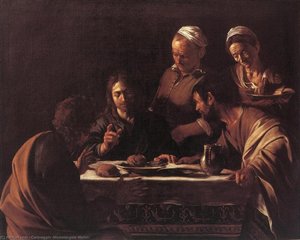
The Genesis of Grandeur: The Counter-Reformation and the Birth of Baroque
 The Dramatic Flourish: Exploring the Baroque Movement's Enduring Legacy in Art History
The Genesis of Grandeur: Historical Context & The Counter-Reformation Wikipedia: Counter-Reformation The Counter-Reformation (Latin: Contrareformatio), also sometimes called the Catholic Revival, was the period of Catholic resurgence that was initiat...
To understand the seismic shift that occurred at the dawn of the 17th century, one must look beyond the canvas and into the fractured soul of Europe. The Baroque era was not merely a stylistic evolution; it was an artistic earthquake born from profound religious and political upheaval. As the Protestant Reformation challenged the long-standing authority of the Catholic Church, a period of intense resurgence known as the Counter-Reformation emerged. This was a time when the Church recognized that art could serve as a potent visual counter-offensive—a tool for reaffirmation designed to inspire awe, devotion, and unyielding loyalty in the hearts of the faithful.
Unlike the preceding Renaissance, which sought balance, harmony, and a certain intellectualized stillness, the Baroque movement erupted from the heart of Rome with a mission to engage the senses. The Church sought to re-engage the masses through spectacle, moving away from the austere simplicity of Protestant aesthetics toward an art of persuasion. This era demanded works that were not simply beautiful but were emotionally charged and dramatically persuasive, translating complex theological concepts into visceral, human experiences. It was a period where the boundaries between the earthly and the celestial began to blur, fueled by a convergence of religious zeal and the rising ambitions of absolute monarchies.
Chiaroscuro and Light: The Technical Mastery of Shadow and Drama
 Chiaroscuro
In art, chiaroscuro (English: kee-AR-ə-SKOOR-oh, -SKURE-, Italian: [ˌkjaroˈskuːro]; lit. 'light-dark') is the use of strong contrasts between light and dark, usually bold contrasts affecting a whole composition. It is also a technical term used by a...
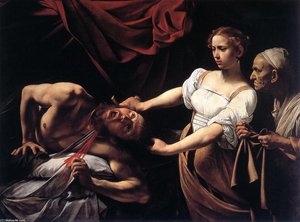
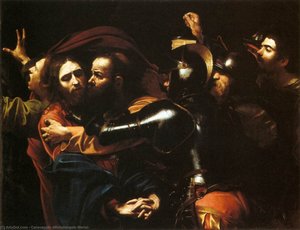
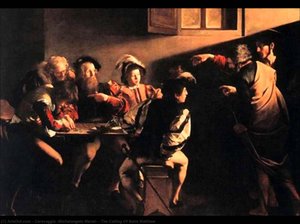
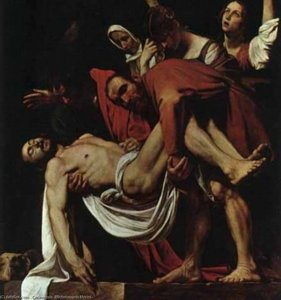
At the very core of Baroque's visual language lies one of the most transformative technical innovations in art history: chiaroscuro. Derived from the Italian words for light and dark, this technique involves the use of strong, often bold contrasts to achieve a sense of volume and dramatic tension. While Renaissance masters used light to clarify form, Baroque artists like Caravaggio utilized it to sculpt emotion. By plunging large portions of the composition into deep, impenetrable shadow, they could direct the viewer's eye with surgical precision toward the most critical elements of the narrative.
Consider the breathtaking impact of this selective illumination. In works such as St Peter Freed from Prison by Da Pier Francesco Mola, the masterful use of chiaroscuro creates a palpable spiritual energy. The artist employs deep shadows to ground the earthly figures in a sense of weight and vulnerability, while brilliant, almost incandescent light breaks through the darkness to signify divine intervention. This interplay does more than just illuminate; it heightlaments the emotional stakes, making a single moment feel both intensely private and cosmically significant. Through this dramatic contrast, the canvas ceases to be a flat surface and becomes a stage where light itself acts as a protagonist.
Dynamic Motion: Breaking the Renaissance Equilibrium through Movement
Some of the qualities most frequently associated with the Baroque are grandeur, sensuous richness, drama, dynamism, movement, tension, emotional exuberance,
If the Renaissance was defined by the circle and the square—symbols of stability and perfection—the Baroque was defined by the spiral and the diagonal. The era’s artists sought to break the static equilibrium of their predecessors, replacing stillness with a sense of perpetual motion. This was achieved through complex, swirling compositions that seemed to writhe with implied energy, drawing the viewer into the very heart of the action.
This movement is evident in the way figures are positioned; they are rarely at rest. Instead, they are captured in mid-gesture, caught in the tension of a struggle or the grace of an ascent. In the works of Flemish masters like Gaspar de Crayer, one observes a profound command over composition that bridges the gap between Mannerist artifice and Baroque dynamism. The limbs of figures flow with ethereal grace, and the drapery of robes billows as if caught in a sudden celestial wind. This sense of movement serves to unsettle the viewer, preventing the eye from resting too long on any single point and instead forcing a continuous, rhythmic exploration of the entire work.
Emotional Intensity: Capturing Divine Intervention and Human Vulnerability
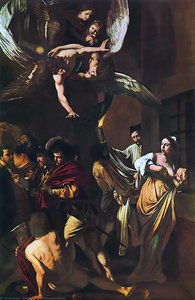 The Seven Acts Of Mercy
Captivating Subject and Rich Symbolism This remarkable Baroque masterpiece vividly depicts the biblical theme of charity and compassion through the depiction of the Seven Acts of Mercy. The scene captures a moment of divine intervention and human kin...
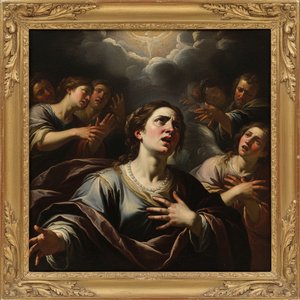
The true soul of Baroque art resides in its refusal to remain detached. The movement sought to bridge the gap between the divine and the human by emphasizing raw, unfiltered emotion. This was achieved through a focus on realism that, while often gritty and unidealized, was deeply imbued with spiritual significance. Artists focused on the pathos of the human condition—the agony of martyrdom, the ecstasy of saints, and the profound weight of earthly struggle.
Architectural Spectacle: The Interplay of Space, Illusion, and Devotion
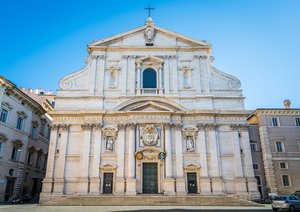 Il Gesù
A Baroque Masterpiece of Faith and Light In the heart of Rome, where the echoes of the Counter-Reformation still resonate through ancient cobblestones, stands Il Gesù—a sanctuary that serves as a profound testament to the power of visual persuasion. ...
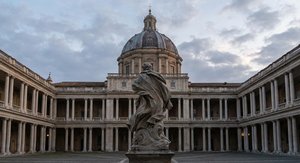
The Baroque spirit was not confined to the canvas; it spilled over into the very architecture that housed it. Churches like Il Gesù in Rome were conceived as bold architectural declarations of triumph. Moving away from the centralized, balanced plans of the High Renaissance, architects embraced the longitudinal basilica form, a design intended to draw the soul toward the high altar through a sweeping, processional nave.
The interior spaces became theaters of illusion. Through the use of trompe-l'œil—a technique designed to trick the eye—artists and architects worked in tandem to dissolve the physical boundaries of the building. The breathtaking ceiling frescoes of the era often featured swirling vortices of light and clouds that appeared to spill over the architectural edges and into the space occupied by the worshiper. This mastery of illusion created a sense of infinite depth, making heavy stone structures feel weightless and ethereal, effectively turning the church interior into a living stage for the divine.
The Enduring Legacy: From Baroque Masterpieces to Modern Interpretations
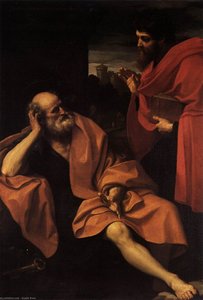 Sts Peter and Paul
Admire Guido Reni's masterpiece, 'Sts Peter and Paul,' a dramatic Baroque painting showcasing serene saints amidst dark hues—a testament to classical elegance and artistic brilliance.
Though the Baroque period eventually gave way to the lighter, more decorative Rococo and the disciplined Neoclassicism, its influence remains an indelible part of our visual heritage. The movement’s emphasis on drama, contrast, and emotional truth continues to resonate in modern cinematography, photography, and even contemporary painting. We see the echoes of Caravaggio in the low-key lighting of film noir, and the grand scale of Baroque architecture in the monumental structures of modern civic life.
For the modern enthusiast, these works offer more than just historical interest; they provide a window into a time when art was used to navigate the most profound shifts in human belief. Whether through the study of a masterwork's brushstrokes or the admiration of its scale, the Baroque continues to command our attention, reminding us of the power of art to capture the eternal within the ephemeral. At ArtsDot.com, we celebrate this enduring legacy by offering museum-quality reproductions that allow the drama and grandeur of the 17th century to reside within your own collection, preserving the profound emotional resonance of these masterpieces for generations to come.