The Architecture of Vision: Understanding Compositional Foundations
To gaze upon a masterpiece is to enter into a silent dialogue with the artist, a conversation structured not by words, but by the deliberate arrangement of form, light, and space. For the art student or the dedicated collector, understanding composition is akin to learning the grammar of a visual language. It is the invisible scaffolding that supports the emotional weight of a canvas, guiding the eye from the initial moment of encounter through a carefully choreographed journey of discovery. Composition is never merely about where an object sits; it is about the tension between presence and absence, the balance of weight, and the rhythmic pulse of lines that direct our gaze. When we study the great works of the Renaissance or the dramatic flourishes of the Baroque, we are witnessing the mastery of structural intent, where every brushstroke serves a larger architectural purpose within the frame.
The Rule of Thirds: Creating Balance and Focal Points in Classical Portraiture
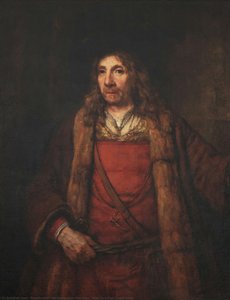
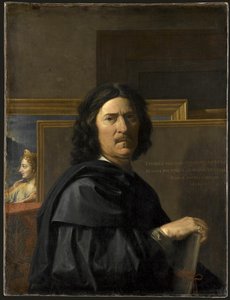
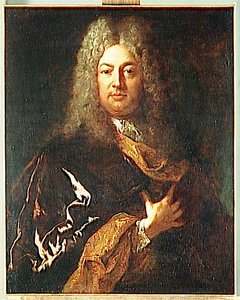 PORTRAIT D'HOMME
Jean-François de Troy: A Master of Baroque Elegance Jean-François de Troy (1645–1730) stands as a pivotal figure in the artistic landscape of late 17th and early 18th century France, bridging the opulent grandeur of the Baroque era with the burgeonin...
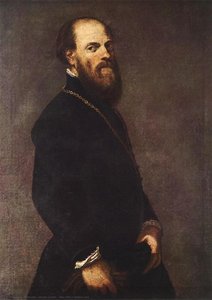
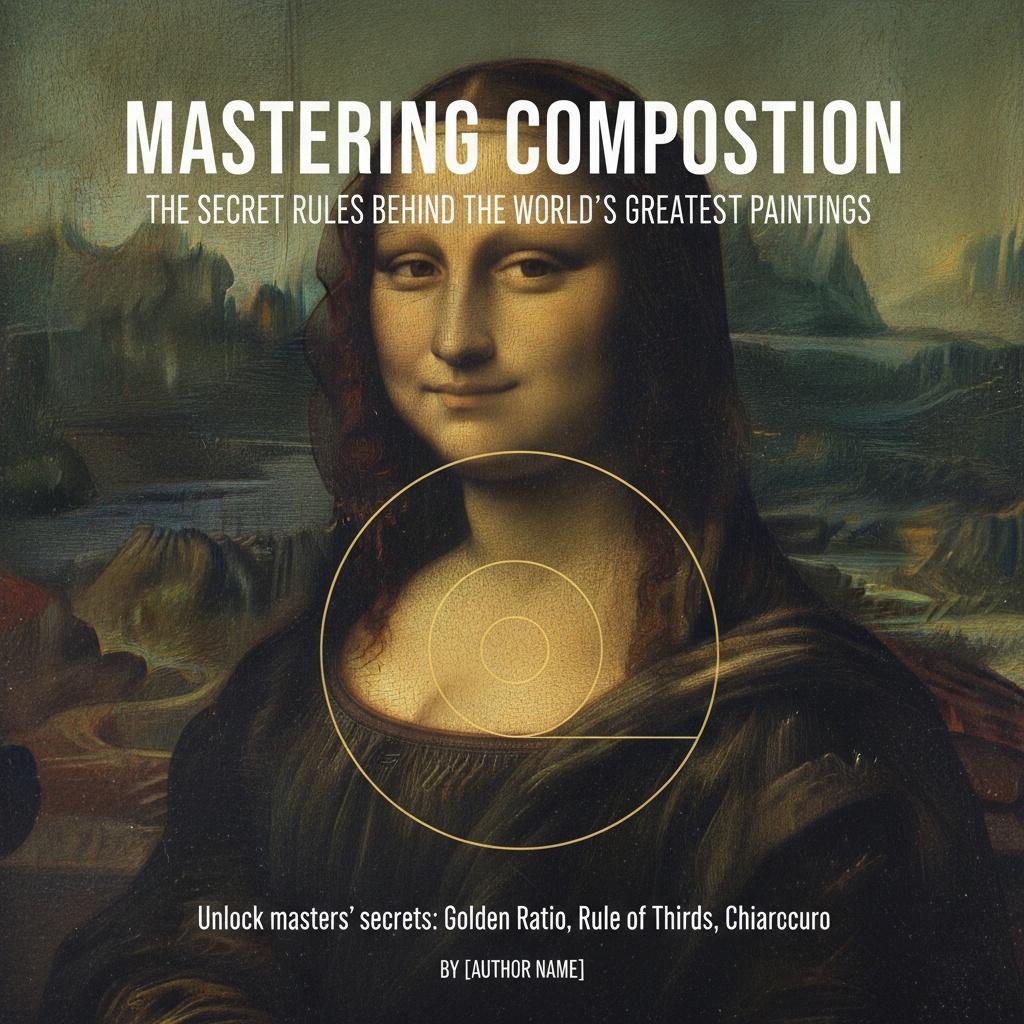
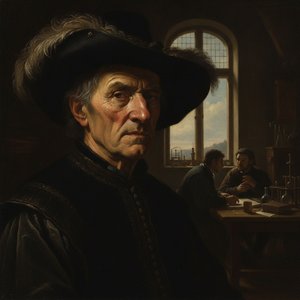
One of the most accessible yet profound tools in an artist's repertoire is the Rule of Thirds, a principle that avoids the static nature of perfect symmetry to create a more organic sense of equilibrium. By mentally dividing a canvas into a grid of nine equal rectangles, the artist identifies four key intersection points. Placing the primary subject—perhaps the piercing gaze of a sitter or the delicate curve of a neck—along these lines or at their intersections prevents the composition from feeling stagnant. In classical portraiture, this technique allows for a breathing space that invites the viewer to contemplate the subject's psychological depth. It creates a subtle imbalance that the human brain instinctively seeks to resolve, thereby maintaining engagement. This strategic placement ensures that while the eye is anchored by a focal point, it is also encouraged to wander through the surrounding atmosphere, discovering the nuances of texture and light that define the character of the work.
The Divine Proportion: Decoding the Golden Ratio in Renaissance and Baroque Masterpieces
List of works designed with the golden ratioMany works of art are claimed to have been designed using the golden ratio. However, many of these claims are disputed, or refuted by measurement. The golden ratio, an irrational number, is approximately 1.618; it is often denoted by the Greek letter...
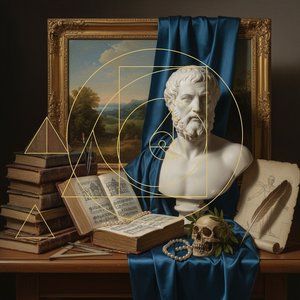
Beyond simple grids lies a more complex, mathematical elegance known as the Golden Ratio, or
phi. This irrational number, approximately 1.618, has been whispered to be the fingerprint of nature itself, appearing in everything from the spiral of galaxies to the arrangement of petals on a flower. In the hands of Renaissance and Baroque masters, this ratio became a tool for achieving a divine sense of harmony. When an artist utilizes the Golden Ratio, they are tapping into a mathematical rhythm that feels inherently "right" to the human eye. While some claims of its use in ancient monuments remain debated by historians, its application in fine art creates a sophisticated flow where proportions feel both natural and mathematically perfected. This ratio governs the relationship between large masses and smaller details, ensuring that even the most complex arrangement—such as a bountiful still life or an expansive landscape—possulating a sense of unified, eternal order that transcends the era in which it was painted.
Dynamic Energy: The Power of Diagonal Lines and Movement in Baroque Drama
 Baroque Masterpieces: 10 Paintings That Defined an Era |
Introduction To gaze upon the masterpieces of the Baroque is to step into a world ablaze with drama, emotion, and an almost overwhelming sense of grandeur. This wasn’t merely a style; it was a cultural earthquake, reshaping art, architecture, music, ...
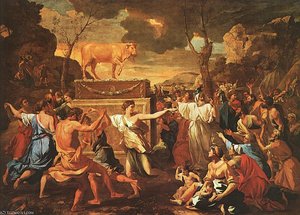
If the Renaissance sought stability through horizontal and vertical axes, the Baroque period introduced a seismic shift toward dynamism through the use of diagonal lines. This was an era of movement, emotion, and theatricality, where the composition itself seemed to vibrate with energy. Diagonals act as visual vectors, slicing through the canvas to create a sense of direction and momentum. In works such as those by Rubens or Rembrandt, diagonals are used to lead the viewer's eye across the scene, often connecting disparate elements like a reaching hand to a falling object or a beam of light to a shadowed face. This technique breaks the boundaries of the frame, suggesting that the action depicted is merely a fragment of a much larger, unfolding drama. The diagonal creates a sense of instability and tension, forcing the viewer to participate in the kinetic energy of the moment, making the painted scene feel as though it is caught in a state of eternal transition.
Chiaroscuro and Depth: How Light and Shadow Reinforce Structural Composition
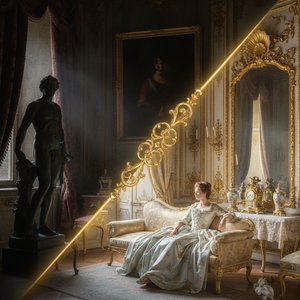 Baroque vs. Rococo: A Definitive Guide to High-Drama Shadows and Golden Elegance
The Baroque Earthquake: Mastering Drama, Chiaroscuro, and Divine Intensity Chiaroscuro In art, chiaroscuro (English: kee-AR-ə-SKOOR-oh, -SKURE-, Italian: [ˌkjaroˈskuːro]; lit. 'light-dark') is the use of strong contrasts between light and dark, usua...
No discussion of composition is complete without addressing the transformative power of
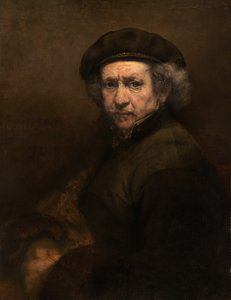
chiaroscuro—the dramatic interplay between light and dark. This technique is far more than a method for creating volume; it is a fundamental compositional tool used to sculpt space and direct attention. By casting deep, impenetrable shadows against piercing, brilliant highlights, artists can effectively "carve" figures out of the darkness. In the works of masters like Caravaggio or Rembrandt, light acts as a spotlight, isolating crucial narrative elements and pushing them toward the foreground, while shadows recede into an infinite, mysterious depth. This high-contrast approach creates a sense of three-dimensional presence on a two-dimensional surface, imbuing the subject with a visceral, tactile reality. The strategic use of shadow also allows for the concealment of secondary details, preventing the composition from becoming cluttered and ensuring that the viewer's focus remains anchored to the most emotionally resonant aspects of the painting.
The Artist's Toolkit: Applying Compositional Secrets to Modern Art Appreciation
Mastering these compositional secrets transforms the act of viewing art from passive observation into an active, intellectual pursuit. For the student, these principles provide a framework for critique and creation; for the collector, they offer a way to appreciate the profound technical labor behind every masterpiece. Whether one is analyzing the meticulous arrangement of a Flemish still life or the sweeping grandeur of a Baroque altarpiece, the ability to recognize the Rule of Thirds, the Golden Ratio, and the tension of diagonals allows for a deeper connection to the artist's original intent. As we continue to preserve these works through high-quality reproductions, we ensure that this visual literacy remains accessible to all.
At
ArtsDot.com, we believe that the beauty of history should be a tangible part of your modern environment. We specialize in providing museum-grade, hand-painted oil reproductions of the world's most iconic masterpieces. Each piece is meticulously crafted by skilled artists on 100% cotton canvas, capturing the authentic texture, brushstrokes, and tonal depth of the originals. Whether you seek to adorn a study with the dramatic shadows of Rembrandt or bring the mathematical harmony of the Renaissance into your home, our collection offers unparalleled quality for the discerning enthusiast. Explore our catalog of canonical works and bring the enduring power of art history into your personal space.