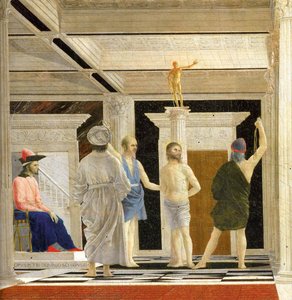
Introduction: The Foundations of Visual Harmony
 Unlocking Beauty: A Beginner's Guide to Appreciating Art
Unlock the beauty of art! Our expert guide for beginners explores artistic movements, visual language & interpretation. Develop your eye & deepen appreciation – start your journey today!
The power of art resides not merely in *what* is depicted, but profoundly in how it is presented. From the earliest cave paintings to the most avant-garde installations, artists have intuitively and deliberately orchestrated visual elements – line, shape, color, space – to guide our gaze, evoke emotion, and convey meaning. This orchestration, this careful arrangement of form, is composition, and its history is a testament to humanity’s enduring quest for beauty, balance, and expressive power. Before delving into specific periods, it's crucial to understand that composition isn’t simply about aesthetic appeal; it’s a language in itself, capable of narrating stories, establishing hierarchies, and even influencing our psychological response.
Renaissance Innovations: Perspective, Proportion, and the Golden Ratio
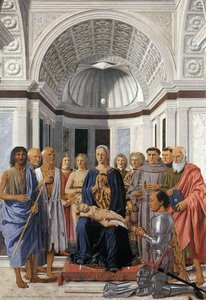
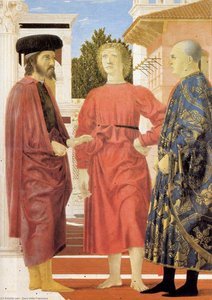
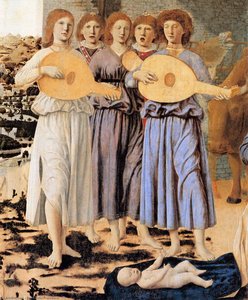
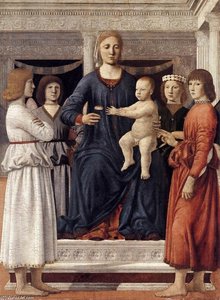
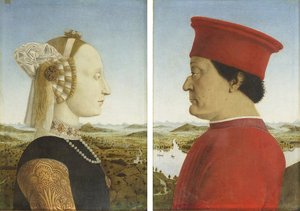 Piero della Francesca
Explore Piero della Francesca's Renaissance masterpieces (1415-1492). Known for geometric precision, perspective & serene humanism in works like 'The Resurrection'. #RenaissanceArt
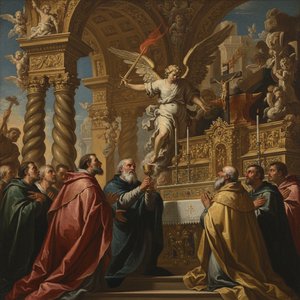
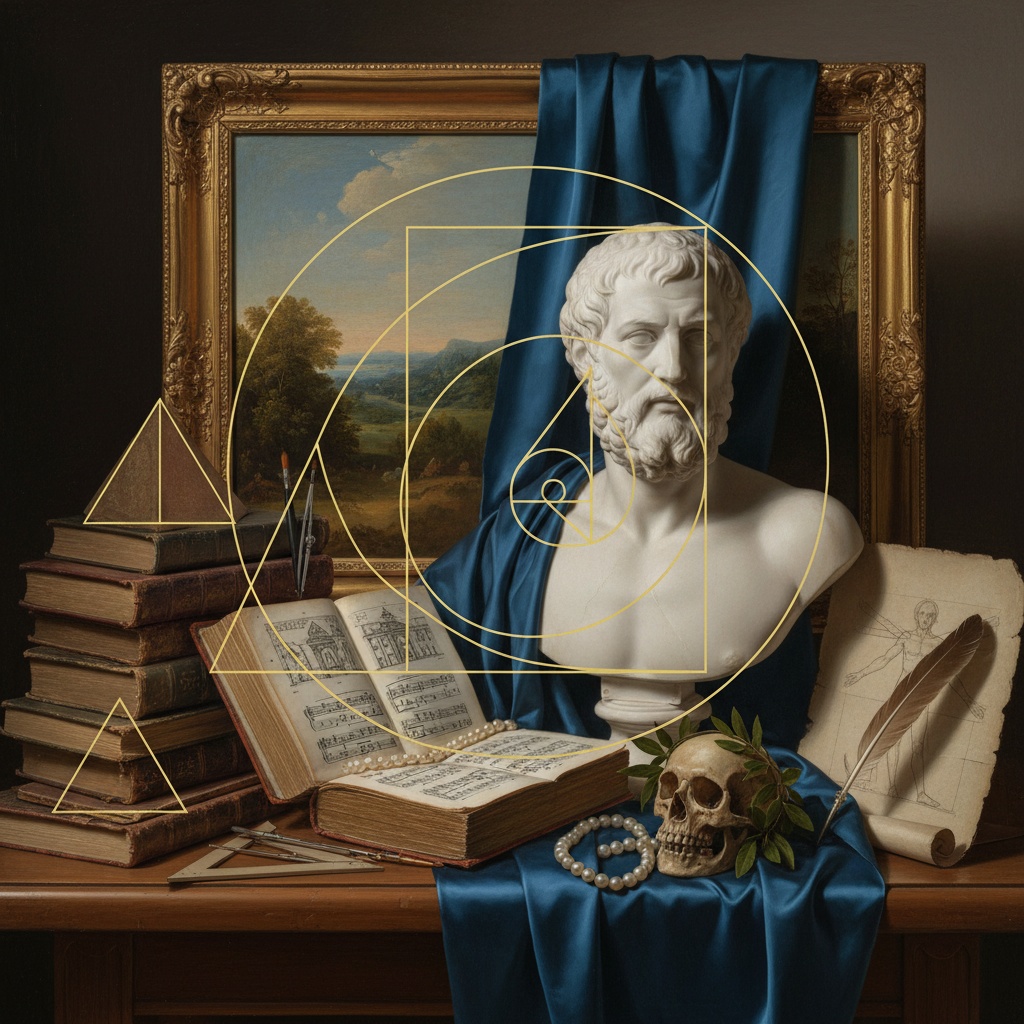
The Renaissance witnessed a seismic shift in artistic thought, driven by a renewed interest in classical antiquity and a burgeoning scientific spirit. Artists like Piero della Francesca revolutionized painting with their meticulous study of perspective – not merely as a technical feat to create realistic depth, but as a means of structuring space and imbuing scenes with intellectual order. His works, such as his frescoes, demonstrate an almost mathematical precision, where vanishing points and orthogonal lines converge to draw the viewer into a harmonious world. Simultaneously, artists embraced proportion, seeking ideal ratios in the human form and architectural structures. The Golden Ratio, a mathematical constant found throughout nature, became a guiding principle for achieving visual perfection. Raphael’s ‘Madonna Terranuova’ (1505) exemplifies this pursuit; its circular format – the tondo – is inherently balanced, while the arrangement of figures within adheres to principles of symmetry and harmonious proportion. The composition isn't accidental; it’s a deliberate construction designed to elevate the subject matter and convey a sense of divine grace. Raphael’s later works, like details from the Stanze Vaticane ‘La Disputa,’ further showcase this mastery – dynamic groupings of figures are balanced by carefully considered spatial relationships, creating a visual dialogue that draws the eye across the entire fresco.
The Baroque Dialogue: Drama, Movement, and Compositional Tension
 Anunciación 1
Discover Francisco Zurbaran’s ‘Anunciación 1,’ a stunning Baroque oil painting depicting the Annunciation. Explore its rich details, divine symbolism & golden light. A masterpiece of faith and beauty.
If the Renaissance sought balance and clarity, the Baroque embraced drama, movement, and emotional intensity. Artists moved away from static compositions towards dynamic arrangements filled with swirling forms, intense contrasts of light and shadow (chiaroscuro), and a heightened sense of realism. Francisco de Zurbaran’s ‘Anunciación 1’ is a powerful example; while rooted in religious subject matter, the painting eschews Renaissance serenity for a more visceral experience. The stark contrast between the illuminated angel and the shadowed background creates a palpable tension, drawing attention to the pivotal moment of the Annunciation. Compositionally, Zurbaran employs a strong diagonal line – formed by the angel’s gesture and the Virgin Mary’s gaze – which injects energy into the scene. This deliberate use of asymmetry and dynamic movement became hallmarks of Baroque art, reflecting the period's emphasis on emotional engagement and spiritual fervor.
From Rococo to Neoclassicism: Shifting Ideals in Artistic Arrangement
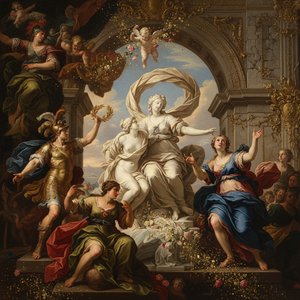
The 18th century saw a fascinating interplay between two distinct artistic styles: Rococo and Neoclassicism. Rococo, favored by the aristocracy, embraced lightness, elegance, and playful ornamentation. Compositions were often asymmetrical, featuring delicate curves, pastel colors, and scenes of idyllic leisure. However, as Enlightenment ideals gained prominence, Neoclassicism emerged as a reaction against Rococo’s frivolity. Inspired by classical art and architecture, Neoclassical artists sought order, clarity, and moral seriousness in their work. Compositions became more structured and symmetrical, often drawing on historical or mythological subjects to convey messages of civic virtue and heroism. The shift reflects a broader cultural change – from the opulent courts of Europe towards a renewed emphasis on reason, duty, and public service.
Modernist Disruptions: Challenging Traditional Notions of Composition
The 20th century witnessed a radical dismantling of traditional artistic conventions, including composition. Artists began to question the very foundations of representation, experimenting with abstraction, fragmentation, and non-representational forms. Cubism, for example, shattered conventional perspective, presenting multiple viewpoints simultaneously within a single canvas. Abstract Expressionism prioritized spontaneous gesture and emotional expression over representational accuracy, often resulting in compositions that appeared chaotic or unstructured. While seemingly abandoning traditional principles, Modernist artists were not simply rejecting composition; they were redefining it. They explored new ways of organizing visual elements – through color, texture, shape, and line – to create works that reflected the complexities and anxieties of the modern world. The legacy of these experiments continues to influence contemporary art today.
Conclusion: The Enduring Legacy of Compositional Principles
Throughout Western art history, composition has served as a powerful tool for artists to shape our perceptions, evoke emotions, and convey meaning. From the Renaissance’s pursuit of harmonious balance to Modernism’s radical disruptions, each period has built upon – or reacted against – previous traditions. Understanding these compositional strategies allows us to appreciate not only the technical skill of the artist but also the underlying intellectual and cultural forces that shaped their work. Whether you're admiring a masterpiece in a museum or exploring contemporary art, recognizing the principles of composition unlocks a deeper level of engagement and appreciation. At ArtsDot.com, we are dedicated to making these timeless works accessible, allowing you to experience the eloquence of arrangement firsthand through our high-quality reproductions and custom artwork services. Explore our collection today and discover the beauty of art’s enduring legacy.