

The Genesis of Multiplicity: Early Woodcuts and the Birth of Reproducible Art
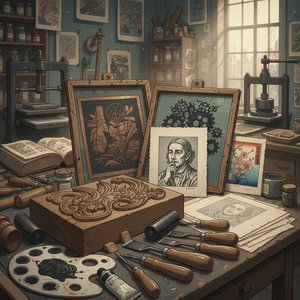 The Enduring Legacy of Printmaking: Techniques, Themes & Artistic Innovation Across Centuries
The Genesis of Printmaking: From Ancient Origins to Early European Developments Wikipedia: Printmaking Printmaking is the process of creating artworks by printing, normally on paper, but also on fabric, wood, metal, and other surfaces. "Traditional p...
Long before the digital era allowed for the instantaneous replication of an image, humanity harbored a profound desire to transcend the limitations of a single, hand-painted surface. This primordial urge to multiply visions—to share stories, beliefs, and artistic ideals beyond the confines of a solitary canvas—laid the foundation for what we now recognize as printmaking. The roots of this transformative art form stretch back millennia, finding early expression in China as early as the 5th century. Here, woodblock printing flourished, initially serving the practical purpose of decorating textiles with intricate patterns before evolving into a sophisticated method for reproducing both text and pictorial imagery on paper.
As these techniques migrated westward, they underwent a significant metamorphosis. By the 14th century, woodcut printing had begun to appear in Europe, primarily serving as a medium for religious devotion. These early prints provided a way for the masses to possess sacred imagery that was previously accessible only to the elite. The transition from the laborious illumination of manuscripts to the more efficient woodblock process marked a pivotal moment in art history, signaling the beginning of an era where the image could be disseminated with unprecedented speed. This period established the fundamental concept of the multiple: the idea that an artwork's power lies not just in its uniqueness, but in its ability to reach a wider audience through repetition and shared experience.
The Lithographic Revolution: Chromolithography and the Democratization of Visual Culture
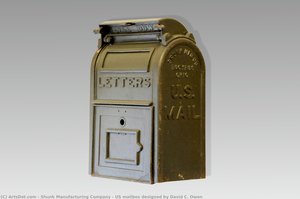 Shunk Manufacturing Company
The Enduring Legacy of Shunk Manufacturing Company: Chromolithography and the Democratization of Art The name “Shunk Manufacturing Company” might not immediately conjure images of artistic mastery, yet this Philadelphia-based firm played a pivotal ro...
The industrial innovations of the 19th century brought about a seismic shift in the accessibility of art, driven by the advent of lithography. This era saw the rise of companies that would forever alter the visual landscape of the modern world. In the United States, firms such as the Shunk Manufacturing Company played a pivotal role in shaping American visual culture through the mastery of chromolithography. Unlike earlier methods that were often monochromatic or required laborious hand-coloring, chromolithography utilized a sophisticated lithographic process to produce vibrant, multi-colored prints. This technological leap allowed for the mass production of art with a richness and depth of color that had previously been reserved for expensive engravings or hand-painted works.
This revolution was, at its heart, an act of democratization. As printing became more efficient and cost-effective, a burgeoning middle class emerged, eager to adorn their homes with images that reflected their growing aspirations. The proliferation of chromolithographs—depicting everything from serene landscapes and delicate still lifes to spirited animal portraits—brought the beauty of the gallery into the domestic sphere. Similarly, the Goes Lithographic Co., founded in 1879, demonstrated how the precision of lithography could extend beyond fine art into the very fabric of daily life, from architectural renderings to official documents. This era proved that technological advancement could serve as a bridge, connecting the common individual to the aesthetic splendor once held in exclusive collections.
The Golden Age of the Poster: From Cinematic Memory to Commercial Iconography
 j.p. printers, new delhi
The Echoes of Print: J.P. Printers and the Soul of Indian Film J.P. Printers, nestled in the heart of New Delhi, isn’t merely a printing company; it's a custodian of cinematic memory. For decades, this unassuming workshop has been responsible for bri...
The poster era demonstrated that printmaking could be both high art and mass communication. The aesthetic was often characterized by a striking use of color and a sense of movement designed to grab the attention of a passing crowd. This period bridged the gap between fine art and popular culture, proving that the energy of a commercial medium could possess the same lasting impact as a classical painting. Whether through the cinematic grandeur of Indian film posters or the advertising lithographs of the West, the poster became a window into the collective consciousness of an era, capturing the zeitgeist in a single, striking image.
Technological Precision: The Emergence of Giclée and High-Fidelity Digital Artistry
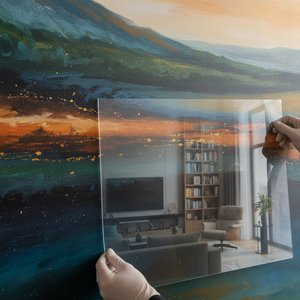 Giclée Prints Explained: The Ultimate Guide to Museum-Quality Art Reproductions
Defining Giclée: The Science and Artistry Behind High-Fidelity Reproductions The term Giclée —pronounced zhee-KLAY—carries an air of French sophistication that belies its technical origins. Emerging in the 1990s from a period of rapid innovation in i...
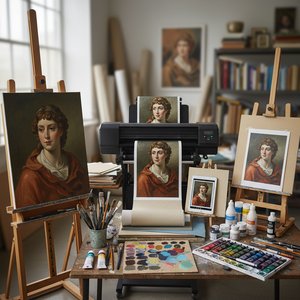
The late 20th century introduced a new paradigm in the pursuit of perfect reproduction: the emergence of Giclée printing. Coined in 1991 by printmaker Jack Duganne, the term—derived from the French word gicleur*, meaning "to squirt"—describes a high-resolution, fine art inkjet process. While some may dismiss digital reproduction as mere commercial printing, the science of Giclée is far more sophisticated. It utilizes advanced technology to deliver millions of microscopic, pigment-based droplets with exceptional accuracy onto archival substrates. Unlike standard dye-based prints that may fade over time, Giclée employs archival inks designed for longevity, often boasting a lifespan of 75 to 100 years.
This technological leap was driven by the desire to not merely copy an image, but to resurrect its very essence on a new surface. The precision of Giclée allows for the reproduction of subtle gradations in tone and the delicate textures found in original masterpieces. For the discerning collector, it offers a way to enjoy high-fidelity reproductions that maintain the color accuracy and nuanced detail of the original work. It represents the modern intersection of technological innovation and artistic ambition, ensuring that the brilliance of the masters can be preserved and enjoyed with unprecedented clarity.
Beyond the Surface: Elevating Reproductions to Museum-Quality Fine Art
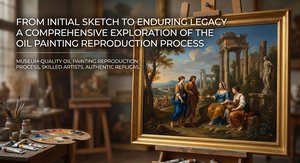
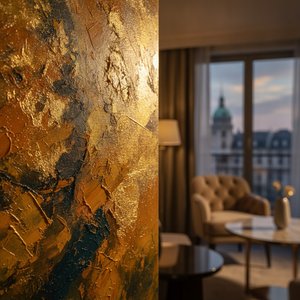
As we navigate the contemporary landscape of art reproduction, a distinction emerges between the flat, digital surface of a print and the tactile depth of a true painting. While Giclée prints offer remarkable archival precision, they lack the physical soul found in the heavy impasto and visible brushstrokes of an oil painting. For those seeking to truly honor the legacy of the masters, the evolution of reproduction has culminated in the revival of the handmade tradition. At ArtsDot.com, we believe that the highest form of reproduction is one that captures the very breath of the artist.
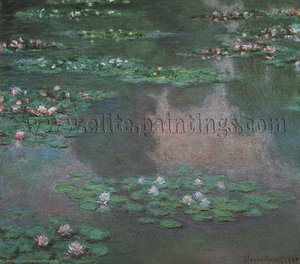
Our Handmade Oil Reproductions are meticulously crafted on 100% cotton canvas, utilizing the same techniques as the masters themselves. These are not mere copies; they are new works of art, where the texture of the paint and the interplay of light and shadow create a three-dimensional experience that a flat print cannot replicate. This allows for a unique level of customization, where collectors can even "remix" history—requesting a personal photograph to be transformed into the light-drenched style of Monet or the thick, expressive strokes of Van Gogh.
Ultimately, the journey from the ancient woodblock to the modern oil reproduction is a testament to humanity's enduring relationship with beauty. Whether one chooses the archival precision of a Giclée or the textured majesty of a hand-painted canvas, the goal remains the same: to bring the profound experience of the museum into the sanctuary of the home. As documented on platforms like ArtsDot.com, the appreciation for these techniques continues to grow, ensuring that the masterpieces of the past remain vibrant, living parts of our future.