

The Genesis of Likeness: From Ancient Egyptian Funerary Portraits to Roman Civic Realism
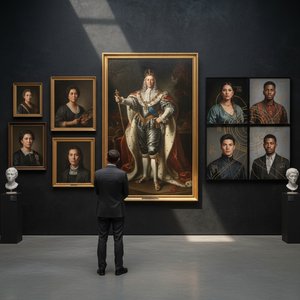 The Enduring Legacy of Formal Portraiture: Power, Identity & Artistic Exploration
The Genesis of Likeness: Portraiture in Antiquity and the Renaissance Wikipedia: Portrait painting Portrait painting is a genre in painting, where the intent is to represent a specific human subject. The term 'portrait painting' can also describe the...
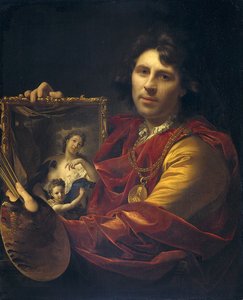
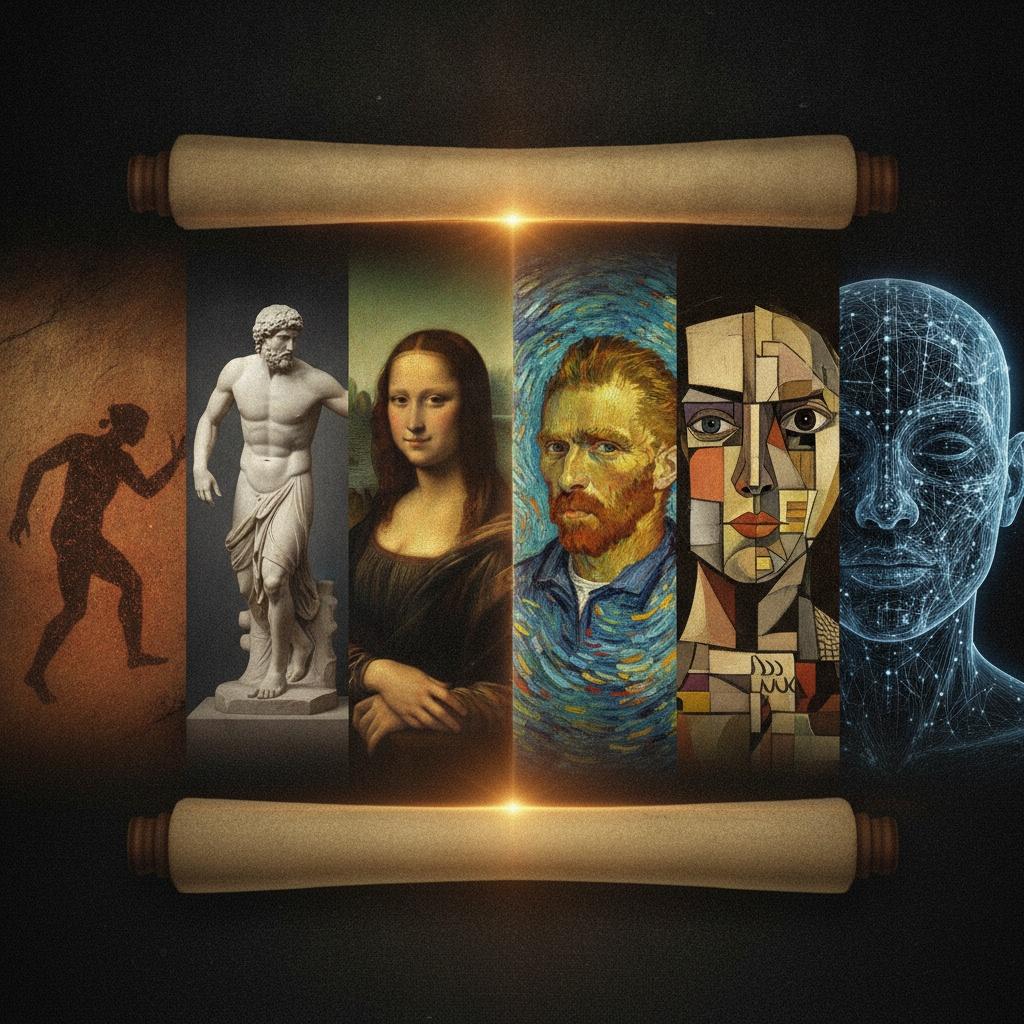
The human desire to capture a likeness—to immortalize a face, a personality, or a fleeting moment in time—is a drive as ancient as civilization itself. Long before the refined brushstrokes of the Renaissance, the human figure served as the primary vessel for storytelling and spiritual preservation. In the arid landscapes of ancient Egypt, portraiture began to coalesce into a recognizable form, though its purpose was far from purely aesthetic. These early depictions were deeply rooted in funerary and religious rites; sculpted heads and painted figures, often idealized yet bearing distinct facial markers, were designed to accompany the deceased into the afterlife. By ensuring a recognizable vessel for the soul, these works acted as a bridge between the temporal world and the eternal spiritual realm.
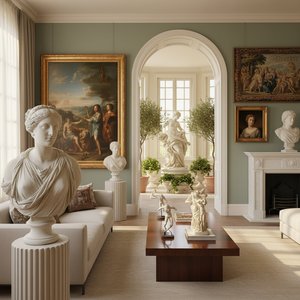
As the torch of artistic innovation passed to the Roman Empire, the focus of the human figure underwent a profound transformation. The Romans moved away from the purely symbolic toward a striking, often unflinching realism. For the Roman citizen, portraiture became an instrument of civic duty and ancestral veneration. The creation of marble busts featuring emperors and prominent senators was not merely an exercise in beauty, but a powerful political statement of authority, lineage, and gravitas. These works embraced the nuances of age, character, and even imperfection, reflecting a culture that valued the tangible reality of leadership and the enduring legacy of the family unit.
The Renaissance Revolution: Humanism, Anatomy, and the Mastery of Perspective
 Renaissance art
Renaissance art (1350 – 1620) is the painting, sculpture, and decorative arts of the period of European history known as the Renaissance, which emerged as a distinct style in Italy in about AD 1400, in parallel with developments which occurred in phi...
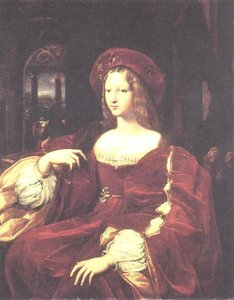
Following the fragmentation of the classical world, the art of the human figure underwent a dramatic rebirth during the Renaissance. This era, emerging in Italy around 1400, was characterized by a profound shift in thought known as humanism. Artists no longer viewed the body merely as a symbolic vessel for religious dogma, but as a subject worthy of scientific and philosophical inquiry. The revival of classical antiquity provided the foundation, yet it was the application of contemporary scientific knowledge that truly revolutionized the medium. Painters began to study anatomy with the precision of surgeons, seeking to understand the underlying musculature and skeletal structure that dictates every movement and pose.
The mastery of the human form in this period was inextricably linked to the development of groundbreaking techniques such as linear perspective and the use of oil paint. The introduction of sfumato—the subtle, smoky blending of tones—allowed artists to eliminate harsh outlines, creating a lifelike softness that mimicked the way light interacts with human skin. As artists like Piero della Francesca and later the masters of the High Renaissance applied these advancements, the canvas achieved a new dimension of depth and three-dimensionality. This was not merely an evolution in skill, but an assertion of earthly importance; through the inclusion of recognizable patrons within religious scenes, art began to reflect the burgeoning wealth and individual agency of the modern age.
Capturing the Soul: The Psychological Depth of Portraiture in the Baroque and Romantic Eras
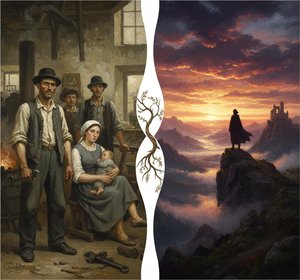 Romantic Realism's Finest: 10 Masterpieces for Your Home | ArtsDot
Introduction To gaze upon these ten masterpieces is to step into a world suspended between dream and reality, where the raw power of human emotion collides with meticulous observation. The Romantic Realism movement, though relatively short-lived, lef...
As the centuries progressed, the focus of figurative art shifted from the anatomical perfection of the Renaissance toward a more profound exploration of the internal landscape. The Baroque era introduced a sense of drama, movement, and intense light—often referred to as chiaroscuro—that transformed the portrait into a theatrical experience. This period sought to capture not just the physical likeness, but the very tension of the human spirit. The interplay of deep shadows and brilliant highlights served to direct the viewer's gaze toward the eyes, the windows of the soul, inviting an intimate encounter with the subject's emotional state.
This trajectory toward psychological intensity reached a crescendo during the Romantic era. While some artists maintained a commitment to meticulous observation, others sought to infuse their subjects with a palpable emotional charge. The movement explored the individual psyche within a rapidly changing world, often highlighting themes of vulnerability, longing, and the sublime. In the hands of masters who understood the weight of a gaze or the subtle curve of a lip, the portrait became a medium for expressing the universal human experience—our capacity for both profound joy and overwhelming sorrow. The figure was no longer just a subject to be observed, but a mirror in which the viewer could recognize their own deepest anxieties and hopes.
Realism and Its Discontents: The Shift from Idealized Figures to Social Commentary
 Echoes of Society: Exploring Social Realism's Enduring Legacy in Art
The Roots of Representation: Realism's Emergence as Social Commentary The Enduring Legacy of 19th-Century Realism: A Reflection of Society & Artistic Innovation Explore the captivating world of 19th-century Realism! Discover key artists, masterpieces...
By the 19th century, a fundamental shift began to challenge the long-standing traditions of Romantic idealism and Neoclassical formality. A new movement, known simply as Realism, emerged as a bold rejection of the imagined and the heroic in favor of the tangible and the everyday. Artists like Gustave Courbet and Honoré Daumier turned their gaze away from mythological deities and aristocratic splendor toward the grit and toil of the working class. This was an act of artistic defiance; it was a conscious decision to depict life as it truly was, documenting the struggles, the labor, and the unvarnished realities of the industrial age.
This movement paved the way for Social Realism, where the human figure became a vehicle for potent socio-political critique. No longer content with mere mimicry of nature, artists utilized the depiction of "typical characters" to expose injustices and advocate for change. The focus moved from the individual's status to their condition—the hardship of the rural laborer, the plight of the urban poor, and the resilience of the proletariat. Through this lens, the human form became a powerful tool for social commentary, ensuring that art remained an active participant in the evolution of society rather than a passive observer of its triumphs.
The Enduring Legacy of the Figure: Modern Interpretations and the Preservation of Classical Technique
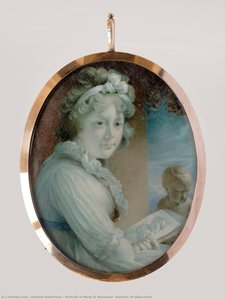 andrew robertson
A Return to Grand Tradition: The Art of Andrew Robertson Andrew Robertson stands as a compelling figure in contemporary art, a painter who consciously and skillfully revives the traditions of classical realism. In an era often dominated by abstractio...
In our contemporary era, often dominated by abstraction and conceptualism, the human figure continues to hold a singular place in the hearts of collectors and enthusiasts. The legacy of the masters lives on through those who continue to practice the rigorous disciplines of classical realism. We see this enduring fascination in the works of artists who revive the traditions of meticulous portraiture, treating the canvas as a space for both technical preservation and modern expression. Whether it is the dignified presence found in 19th-century portraiture or the psychological intensity of modern life drawing, the human form remains our most profound subject.
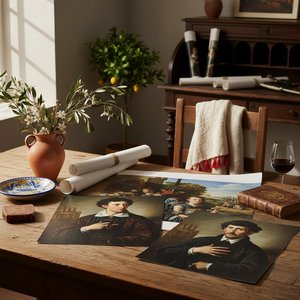
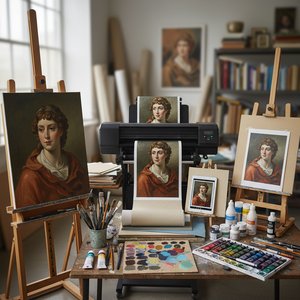
For those who seek to bring this history into their own homes, the appreciation of these masterpieces transcends mere decoration; it is an engagement with the very essence of human creativity. At ArtsDot.com, we specialize in preserving this legacy through high-quality, hand-painted oil reproductions. Our artists, many of whom hold degrees from prestigious academies, utilize the same techniques—from the layering of oils to the mastery of light and shadow—to create works that capture the soul of the original. Whether you are drawn to the anatomical brilliance of the Renaissance or the emotional depth of the Romantic era, our collection offers a gateway to owning a piece of art history, meticulously crafted for the modern connoisseur.