The Dawn of a New Era: Contextualizing the Dutch Golden Age
 Dutch Golden Age
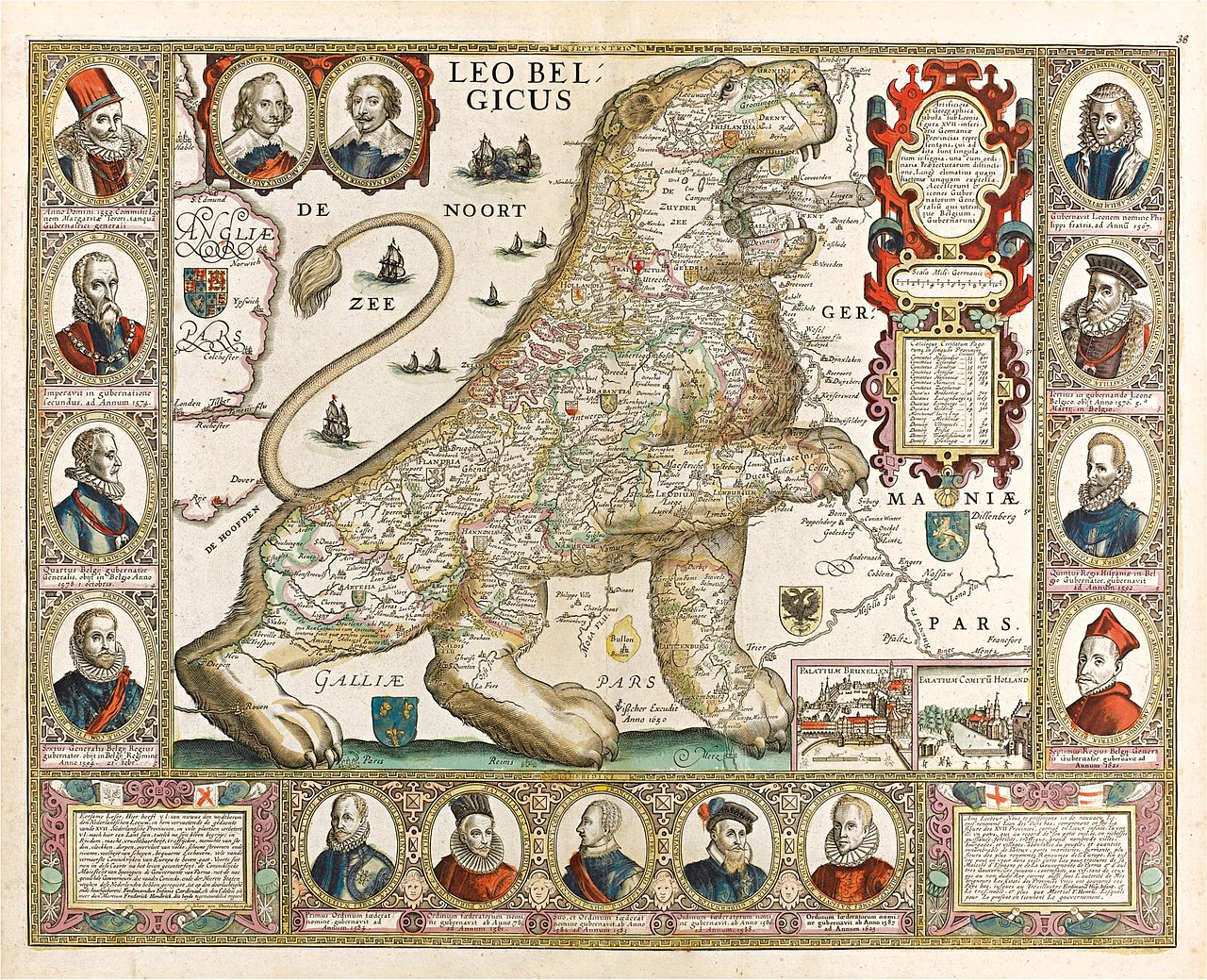
The Dutch Golden Age (Dutch: Gouden Eeuw [ˈɣʌudən ˈeːu, ˈɣʌudə ˈʔeːu]) was a period in the history of the Netherlands which roughly lasted from 1588, when the Dutch Republic was established, to 1672, when the Rampjaar occurred. During this period, th...
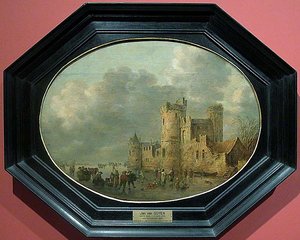
To step into the seventeenth-century Netherlands is to enter a realm where the very air seems heavy with the scent of salt spray, damp earth, and the quiet hum of a nation finding its soul. This was the era of the Dutch Golden Age, a period of unprecedented artistic flourishing born from the crucible of independence and the burgeoning prosperity of the Dutch Republic. Following decades of struggle for liberation from Spanish rule during the Eighty Years' War, the Netherlands emerged not merely as a sovereign state, but as the most prosperous nation in Europe, leading the world in trade, science, and, most vibrantly, art.
Unlike the grand, often intimidating displays of power found in the royal palaces of France or the religious monuments of Italy, the art of this era was profoundly intimate. As the new Republic moved away from monarchist and Catholic traditions, the demand for religious iconography wancepted, replaced by a hunger for something more personal—a mirror held up to the lives of the people themselves. This shift birthed a unique aesthetic where the mundane was elevated to the extraordinary. The landscape became a primary vessel for this new national identity, allowing the Dutch to celebrate their reclaimed land, their maritime dominance, and the quiet beauty of their domestic horizons.
The Alchemy of Light: Mastering Atmosphere and Aerial Perspective
 Aerial perspective
Aerial perspective, or atmospheric perspective, is the effect of the atmosphere has on the appearance of an object as viewed from a distance. As the distance between an object and a viewer increases, the contrast between the object and its background...
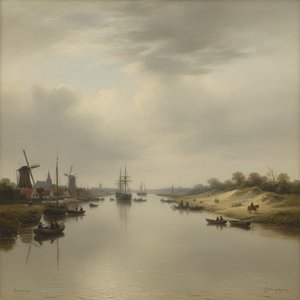
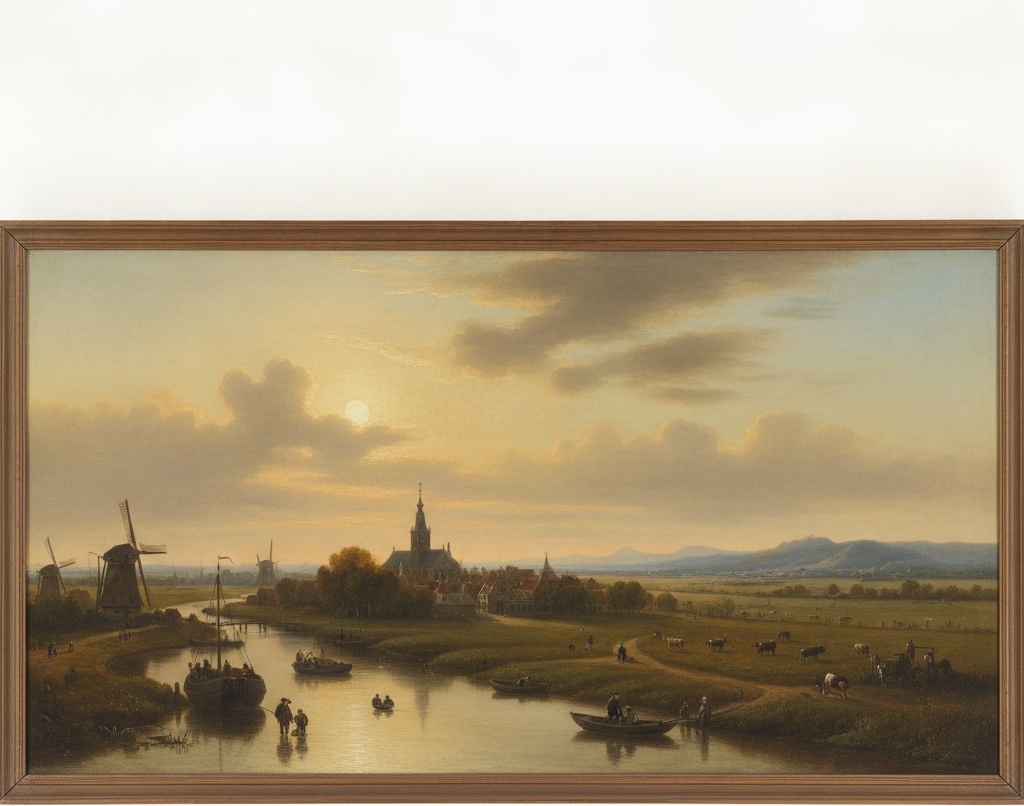
The true magic of the Dutch landscape lies in its ability to capture the ephemeral. The masters of this period were not merely painters of scenery; they were alchemists of light. They understood that the atmosphere is a living entity, capable of transforming a simple riverbank into a scene of profound spiritual depth through the use of aerial perspective. This technique, where the distance between the viewer and an object decreases contrast and shifts colors toward a cooler, bluish hue, allowed artists to create an immense sense of scale and depth within the relatively flat topography of the Netherlands.
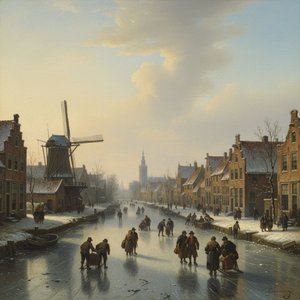
Central to this mastery was the interplay of chiaroscuro—the dramatic tension between light and shadow. While many associate this technique with the portraits of Rembrandt, it was equally vital in landscape painting to convey mood and weather. Artists sought to portray landscapes as they appeared in nature, often under overcast skies or during the damp chill of winter. By employing a muted palette of grays, browns, and greens, they achieved a level of atmospheric realism that felt palpable. One could almost feel the diffused glow of sunlight filtering through dense foliage or the heavy, moisture-laden clouds preceding a storm. This dedication to capturing the "feeling" of the weather rather than just its visual detail is what gives these works their enduring, emotive power.
Architects of the Horizon: Profiles of the Great Landscape Masters
 jan josefsz van goyen
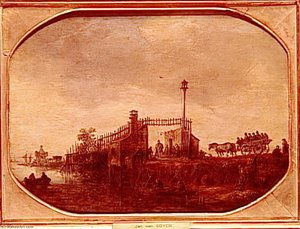
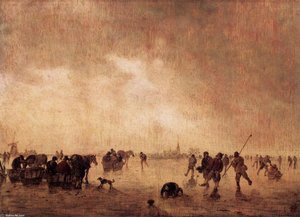
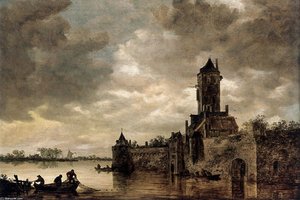
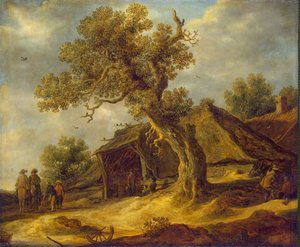
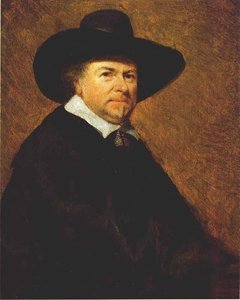
Jan van Goyen: Master of Dutch Landscape Jan Josephszoon van Goyen (1596-1656) stands as a towering figure in the Dutch Golden Age, celebrated for his unparalleled ability to capture the essence of the Dutch countryside and seascape with breathtaking...
The canon of the Dutch Golden Age is anchored by several towering figures, each bringing a unique vision to the canvas. Jan Josephszoont van Goyen stands as perhaps the most pivotal figure in this movement. A prolific talent who produced an estimated twelve hundred paintings, Van Goyen moved away from colorful, detailed compositions toward a more revolutionary, tonal approach. His landscapes are characterized by their simplicity and subtle variations in tone, capturing the essence of the Dutch countryside with breathtaking realism.
In contrast to Van Goyen’s muted tones, Aelbert Cuyp brought a sense of luminous warmth to the era. His name has become synonymous with the "golden light" of the seventeenth century. Cuyp had an unparalleled ability to bathe his river scenes and cattle in a soft, honeyed glow that suggested a state of eternal, peaceful afternoon. Then there is Meindert Hobbema, whose work, such as Landscape near Deventer, offers a more structured, classical composition of forests and church spires, providing a serene counterpoint to the sweeping seascapes of his contemporaries.
For the modern enthusiast, experiencing these masters in person requires a pilgrimage to institutions like the Mauritshuis in The Hague or The Met in New York. However, at ArtsDot.com, we believe this beauty should be accessible to all. We specialize in creating museum-quality, hand-painted oil reproductions of these very masterpieces. Unlike mass-produced prints, our artists use 100% cotton canvas and traditional techniques to ensure that the visible brushstrokes and deep tonal ranges of Van Goyen or Cuyp are preserved, allowing you to bring a piece of history into your own home.
From Seascapes to Silvan Scenes: Exploring Diverse Topographies
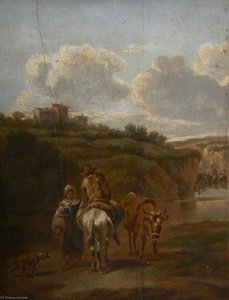 Landscape
Discover Nicolaes Berchem’s idyllic Dutch Golden Age landscape! This 17th-century oil painting showcases rural life & mythology. Explore its realism & influence on Rococo art.
The Dutch landscape genre was remarkably diverse, reflecting the varied geography of a nation shaped by water and wind. The subject matter ranged from the expansive, salt-sprayed horizons of maritime seascapes to the intimate, shaded enclosures of woodland interiors. These paintings served as both a celebration of national pride and a study in topographical detail.
- River Landscapes: Often featuring windmills, canals, and small boats, these works captured the lifeblood of Dutch commerce and the rhythmic movement of the inland waterways.
- Coastal Scenes: These emphasized the power of the North Sea, utilizing wide horizons and dramatic cloud formations to evoke the scale of the Dutch maritime empire.
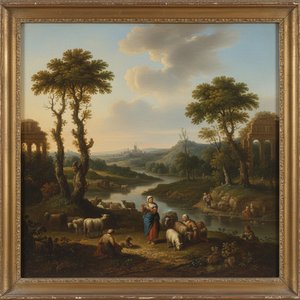
- Woodland and Pastoral Scenes: More tranquil in nature, these focused on the lushness of the earth, featuring shepherds, cattle, and the dappled light of forest clearings, as seen in the works of Nicolaes Berchem.
- Urban Peripheries: Great emphasis was placed on the edges of growing cities, where church spires and distant town walls met the encroaching wildness of the dunes and meadows.
A Timeless Legacy: The Enduring Influence of Dutch Realism
--- title: In Praise of Painting: Dutch Masterpieces at The Met - The Metropolitan Museum of Art url: https://www.metmuseum.org/exhibitions/in-praise-of-painting-dutch-masterpieces hostname: metmuseum.org description: The Met presents over 5,000 year...
The legacy of the Dutch Golden Age extends far beyond the seventeenth century. The movement's emphasis on realism and its departure from idealized, mythological grandeur paved the way for later movements, including the subtle elegance of Rococo art. The techniques developed by these masters—the mastery of atmosphere, the use of a limited but evocative palette, and the elevation of the mundane—remain foundational pillars of Western landscape painting.
Today, we continue to find inspiration in these works of light and shadow. Whether it is the quiet contemplation found in a Hobbema forest or the radiant energy of a Cuyp afternoon, these paintings offer a sanctuary of peace in an increasingly frenetic world. At ArtsDot.com, our mission is to honor this legacy through academic excellence. Our artists, many of whom hold degrees from prestigious Fine Arts academies, undergo a meticulous six-step process to ensure every reproduction meets museum standards:
- Commission and Design: Following your order, we provide a digital mockup for complex requests or custom color matching.
- Hand-Painted Artistry: Our specialists paint by hand on 100% cotton canvas, typically over a period of 2 to 4 weeks, ensuring the texture and impasto of the original are captured.
- Quality Assurance: We provide a pre-shipment photo for your absolute approval, allowing for any final adjustments.
- Professional Finishing: Each piece is finished with a protective Damar varnish and can be presented in custom solid wood frames or as modern canvas wraps.
- Global Delivery: Your masterpiece is carefully packaged and shipped via DHL or FedEx to over 70 countries, accompanied by full tracking.