The Rise of Dutch Italianate Painting: A New Vision
Dutch Golden Age painting is the painting of the Dutch Golden Age, a period in Dutch history roughly spanning the 17th century, during and after the later part of the Eighty Years' War (1568–1648) for Dutch independence. The new Dutch Republic was th...
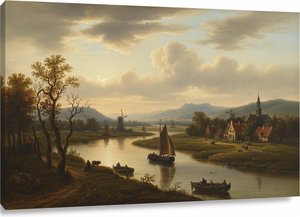
The 17th century witnessed a remarkable flourishing of artistic talent in the Netherlands, an era now celebrated as the Dutch Golden Age. While renowned for its portraits and genre scenes depicting everyday life, a particularly captivating strand emerged – the Italianate landscape. This wasn’t merely a replication of Italian scenery; it was a reimagining, filtered through the sensibilities of Northern European artists who either travelled to Italy or aspired to capture its romantic allure from afar. These painters sought not topographical accuracy but an idealized vision of classical beauty, imbued with a sense of tranquility and often populated by mythological figures or scenes of pastoral life. This movement provided a powerful counterpoint to the religious turmoil of the time, offering viewers a refuge in harmonious landscapes steeped in history and legend. It was within this fertile artistic climate that Nicolaes Berchem rose to prominence, becoming one of the most prolific and admired exponents of Dutch Italianate painting.
Nicolaes Berchem’s Life & Artistic Formation: Haarlem Roots and Early Influences
Born in Haarlem in 1620, Nicolaes Pieterszoon Berchem inherited a rich artistic lineage. His father, Pieter Claesz, was a respected painter himself, providing young Nicolaes with his initial instruction. However, the budding artist’s education extended beyond familial guidance. He sought tutelage from several prominent Haarlem masters – Jan van Goyen, known for his realistic depictions of Dutch landscapes; Pieter de Grebber, celebrated for his architectural scenes; and Jan Baptist Weenix, who would later accompany Berchem on a formative journey to Italy. These early influences shaped Berchem’s artistic foundation, blending Northern realism with an emerging fascination for the Southern romantic tradition. Anecdotes from Houbraken suggest a spirited youth – tales of near-conscription into naval service and playful escapes – hinting at a personality as vibrant as the scenes he would later paint. While documentation regarding a formal “Grand Tour” remains elusive, Berchem’s close relationship with Weenix strongly suggests an extended period in Italy between 1642 and 1645, where he absorbed the atmosphere and imagery that would define his signature style.
A Master of Pastoral Scenes: Recurring Themes and Stylistic Characteristics
 Nicolaes Pietersz Berchem
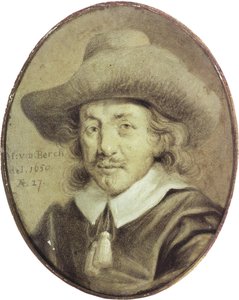
Nicolaes Pietersz Berchem (1620-1683) was a Dutch Golden Age master of idyllic Italianate landscapes, blending Northern realism with Southern romanticism. Explore his pastoral scenes & enduring legacy.
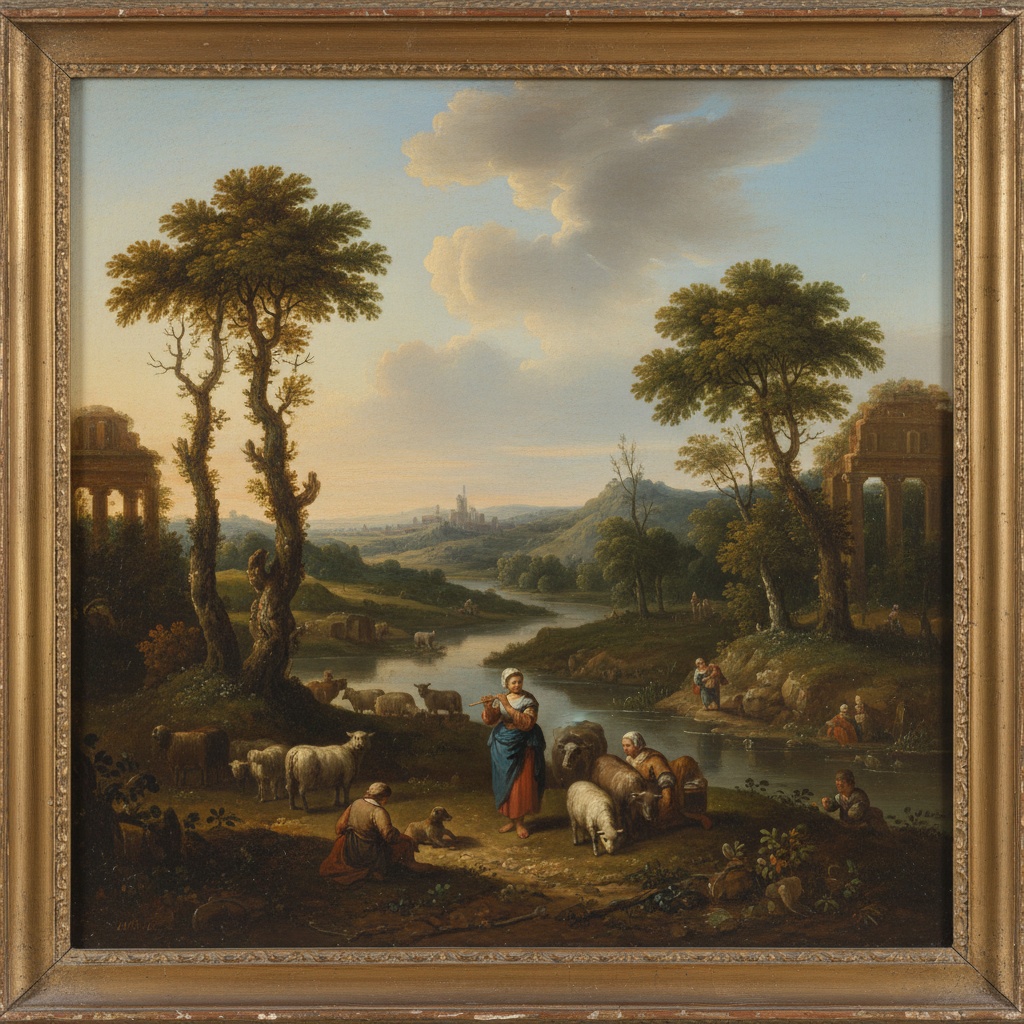
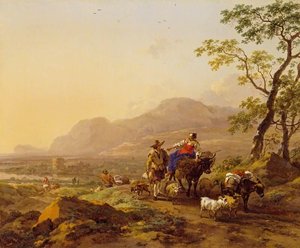
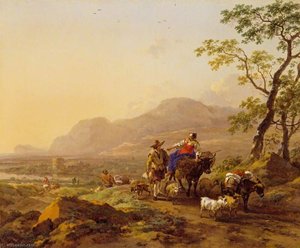
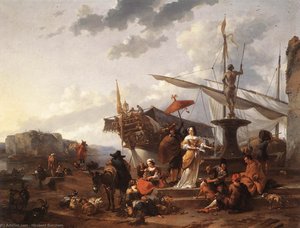
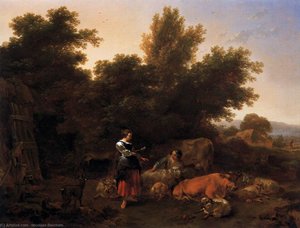
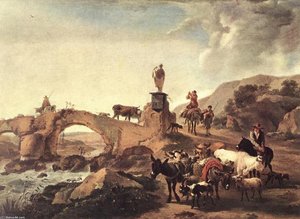
Berchem's oeuvre is characterized by a remarkable consistency – an unwavering dedication to idyllic Italianate landscapes. These are not harsh or rugged terrains but gently rolling hills bathed in golden light, often punctuated by classical ruins, suggesting a bygone era of grandeur. His paintings frequently feature figures engaged in pastoral activities: shepherds tending their flocks, muleteers navigating winding paths, peasants enjoying simple pleasures. Mythological narratives were also common, subtly woven into the fabric of the landscape – scenes from Ovid or Virgil adding layers of meaning and allusion. What truly distinguishes Berchem’s work is his masterful handling of light and atmosphere. He employed a warm, golden palette, creating a sense of serenity and inviting viewers to lose themselves in the tranquil beauty of his compositions. His figures, though often secondary to the landscape itself, are rendered with a delicate grace and naturalism that adds depth and life to the scenes.
Berchem's Technique and Legacy: Blending Realism with Romantic Idealism
 Wikipedia: Nicolaes Pieterszoon Berchem
Nicolaes Pieterszoon Berchem (1 October 1620 – 18 February 1683) was a highly esteemed and prolific Dutch Golden Age painter of pastoral landscapes, populated with mythological or biblical figures, but also of a number of allegories and genre pieces....
Berchem’s prodigious output – Hofstede de Groot claimed around 850 paintings, though many attributions remain debated – speaks to his exceptional skill and efficiency. He wasn’t merely a copyist of nature; he synthesized observation with imagination, creating landscapes that were both realistic and idealized. His technique involved careful layering of oil paints, building up textures and tones to achieve a luminous quality. He was also a prolific etcher, producing around 80 etchings that further disseminated his style and imagery. Beyond painting, Berchem’s influence extended through his numerous pupils – Abraham Begeyn, Johannes van der Bent, Karel Dujardin, and many others – who carried on his artistic traditions. His work resonated deeply with contemporary audiences, offering a vision of harmony and beauty that contrasted sharply with the political and religious anxieties of the time. Furthermore, Berchem’s landscapes profoundly impacted later generations of artists, notably influencing the French Rococo painter Jean-Baptiste Pillement and the Dutch 'Cleves Romanticism' movement.
Beyond the Landscape: Genre, Allegory, and Berchem’s Prolific Output
While best known for his pastoral scenes, Berchem’s artistic range extended beyond pure landscape. He also excelled in genre painting, depicting everyday life with a keen eye for detail and character. Works like “A Peasant playing a Hurdy-Gurdy to a Woman and Child” showcase his ability to capture intimate moments of human connection. Allegorical compositions were another facet of his repertoire, often imbued with moral or philosophical undertones. The sheer volume of Berchem’s work is astonishing – a testament to his tireless dedication and remarkable talent. He skillfully balanced artistic expression with commercial demands, catering to the tastes of a discerning clientele while maintaining a consistent level of quality. Interestingly, accounts suggest he managed his finances creatively, borrowing from pupils and colleagues to fund his passion for collecting prints, repaying them through the discreet sale of paintings.
Collecting Berchem Today: Appreciation & Lasting Influence
Today, Nicolaes Berchem’s paintings are highly sought after by collectors and museums worldwide. His works offer a captivating glimpse into the Dutch Golden Age – a period of unprecedented artistic innovation and cultural flourishing. The enduring appeal of his landscapes lies in their timeless beauty, masterful technique, and evocative atmosphere. Berchem's ability to blend Northern realism with Southern romanticism continues to resonate with viewers centuries later. Whether depicting mythological narratives or scenes of simple rural life, his paintings invite us to escape the complexities of modern existence and find solace in a world of harmony and tranquility. ArtsDot offers high-quality reproductions of Berchem’s masterpieces, allowing art enthusiasts to experience the beauty and serenity of his work firsthand. Explore our collection today and discover the enduring legacy of this remarkable Dutch master.