The Alchemy of Pigment: Understanding the Egg Tempera Medium
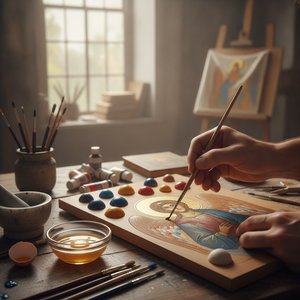 The Timeless Glow of Tempera: Discovering the Sacred Art of Egg Yolk Painting
The Alchemy of Egg and Pigment: Understanding the Tempera Medium To touch upon the subject of tempera is to revisit a time when art was not merely an expression of the self, but a profound ritual of transformation. Long before the fluid, expressive f...
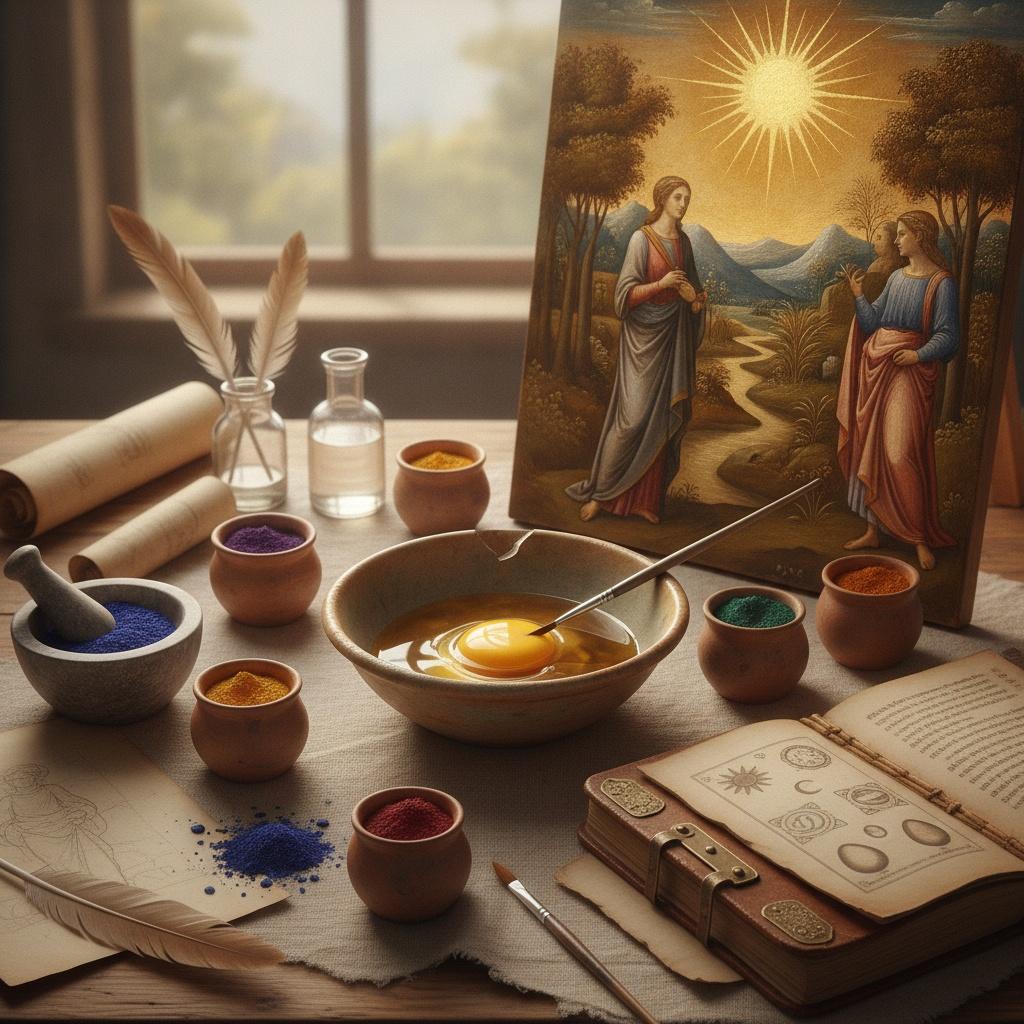
To touch upon the subject of tempera is to revisit a time when art was not merely an expression of the self, but a profound ritual of transformation. Long before the fluid, expressive freedom of oil paints allowed for the sweeping gestures we admire in the Impressionist masters, there existed a more disciplined, almost alchemical process. The heart of this medium lies in its humble yet potent ingredients: the yolk of an and egg, acting as a delicate binder, and pure, ground pigments derived from the earth, minerals, and precious stones. This is the essence of
egg tempera, a permanent, fast-drying painting medium that demands a marriage of precision and patience.
There is a certain quiet magic in the way the egg yolk interacts with color. Unlike the heavy, translucent layers of oil that can sit atop a canvas, tempera requires an intimate understanding of chemistry. As the emulsion dries, it creates a surface that is remarkably matte yet possesses an internal luminosity, as if the light itself is trapped within the microscopic layers of the paint. This is not the dramatic, shadowed
chiaroscuro of later eras, but a soft, even radiance—a gentle glow that feels as though it emanates from within the subject rather than reflecting off its surface. For the artist, working with egg tempera is an exercise in mindfulness; one cannot rush the medium, for each stroke must be deliberate and carefully layered to build depth and tone.
A Sacred Ritual: The Role of Tempera in Medieval Manuscripts and Scriptoriums
 north western italy scriptorium
Origins and the Dawn of Illuminated Script Within the shadowed halls of medieval monasteries, a remarkable tradition blossomed – the art of the scriptorium. More than simply a room for copying manuscripts, it was a crucible where faith, scholarship, ...
If we look back through the corridors of history, specifically into the heart of the Middle Ages, we find tempera at its most sacred. Within the shadowed halls of medieval monasteries, a remarkable tradition blossomed—the art of the
scriptorium. These were more than simply rooms for copying manuscripts; they were cruciform spaces where faith, scholarship, and artistry converged. In these monastic workshops, particularly in regions like North Western Italy, skilled scribes and artists worked to preserve classical knowledge through the meticulous creation of illuminated manuscripts.
The process of illumination turned the written word into a divine experience. An illuminated manuscript, such as the exquisite
Bifolium with the Decretals of Gratian, was not merely a functional text but a vibrant work of art designed to inspire devotion. The technique involved a complex interplay of skills: preparing parchment, ruling precise lines, and layering gold leaf for shimmering halos. In these works, tempera pigments were used to render detailed miniature scenes depicting biblical narratives or historical events with breathtaking clarity. This era of devotion saw the written word adorned with flourishes, borders, and illustrations that transformed a simple book into a window onto the divine, where every stroke of pigment served a higher spiritual purpose.
Precision and Patience: The Disciplined Technique of the Old Masters
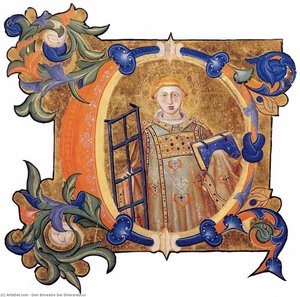 Gradual from Santa Maria degli Angeli (Folio 134)
A Window into Medieval Faith: Don Silvestro’s “Gradual from Santa Maria degli Angeli” The year is 1370. Within the serene confines of a Florentine monastery, a master craftsman meticulously brought to life a fragment of divine wisdom – folio 134 from...
The mastery of egg tempera is found in its demand for extreme discipline. Because the medium dries almost instantly upon contact with the surface, the artist cannot blend colors directly on the support as one might with oil. Instead, the technique requires a method of fine, cross-hatched patterns to build up layers of color. This meticulous approach allows for an incredible level of detail, where facial features and intricate drapery folds can be rendered with astonishing accuracy. We see this precision in the works of masters like
Don Silvestro dei Gherarducci, whose 14th-century illuminations demonstrate a level of craftsmanship that feels both intimate and monumental.
This disciplined approach ensures a permanence that has allowed countless works to survive the centuries. The artist’s hand, guided by centuries-old traditions, skillfully employs pigments on vellum or parchment, often layering them with shimmering gold leaf to create an effect of luminous depth. This is evident in the way a master might render the heavy, patterned robes of a saint or the delicate foliage of a sacred garden. Such work requires a contemplative soul; it is a technique that rewards those who understand that true beauty is often achieved through the slow, painstaking accumulation of small, perfect moments.
Luminosity and Longevity: Why Tempera Endament Through the Centuries
 Tempera
Tempera (Italian: [ˈtɛmpera]) is a permanent, fast-drying painting medium consisting of pigments mixed with a water-soluble binder medium, usually glutinous material such as egg yolk. There are several types of tempera paint, but the type containing ...
One of the most remarkable characteristics of egg tempera is its extraordinary durability. The chemical bond formed between the egg yolk binder and the mineral pigments creates a paint film that is incredibly stable. Unlike some oil paintings that may darken or yellow significantly over time due to the oxidation of linseed oil, the colors in well-preserved tempera works remain as vibrant today as they were when the yolk first met the pigment. This longevity is why we can still gaze upon prehistoric murals and ancient Byzantine icons with a sense of profound connection to the past.
This endurance is matched by its unique visual quality. The matte finish of tempera allows for a clarity of color that is difficult to replicate in other media. There is no heavy glaze to obscure the underlying truth of the pigment. Instead, there is a crystalline purity. When viewed under appropriate light, the surface reveals an internal glow—an
internal luminosity—that gives the subjects a lifelike, yet ethereal, presence. It is this very quality that makes tempera works so captivating to the modern eye; they possess a timelessness that transcends the era of their creation, offering a window into a world of enduring light and color.
From Parchment to Canvas: Preserving the Legacy of Classical Art
 Renaissance art
Renaissance art (1350 – 1620) is the painting, sculpture, and decorative arts of the period of European history known as the Renaissance, which emerged as a distinct style in Italy in about AD 1400, in parallel with developments which occurred in phi...
As we move from the delicate parchment of medieval manuscripts to the grand canvases of the Renaissance, the legacy of these classical techniques continues to inspire. While the advent of oil painting brought new expressive freedoms, the foundational principles of color, light, and precision established in the age of tempera remain the bedrock of fine art. Today, the appreciation for these Old Masters lives on through the dedicated efforts of those who seek to preserve and reproduce these masterpieces for a modern audience.
For the true art enthusiast, owning a piece that evokes this historical grandeur is a way to bring the museum experience into the home. At
ArtsDot.com, we specialize in honoring this legacy through high-quality, hand-painted reproductions. Our artists, holding degrees from prestigious Fine Arts academies, use traditional methods to recreate the texture and soul of the masters. Whether it is a meticulous oil reproduction on cotton canvas that captures the visible brushstrokes of a Renaissance icon, or a custom commission that reimagines a personal moment in the style of a historical master, our mission is to make the profound beauty of art history accessible to everyone. Through our professional craftsmanship, we ensure that the luminous glow of the past continues to illuminate the spaces of the present.