The Soul of the Subject: Defining the Essence of German Expressionism
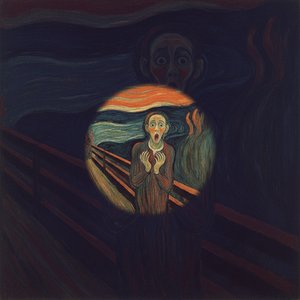
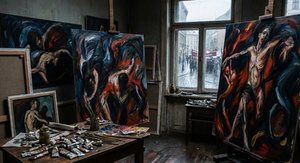
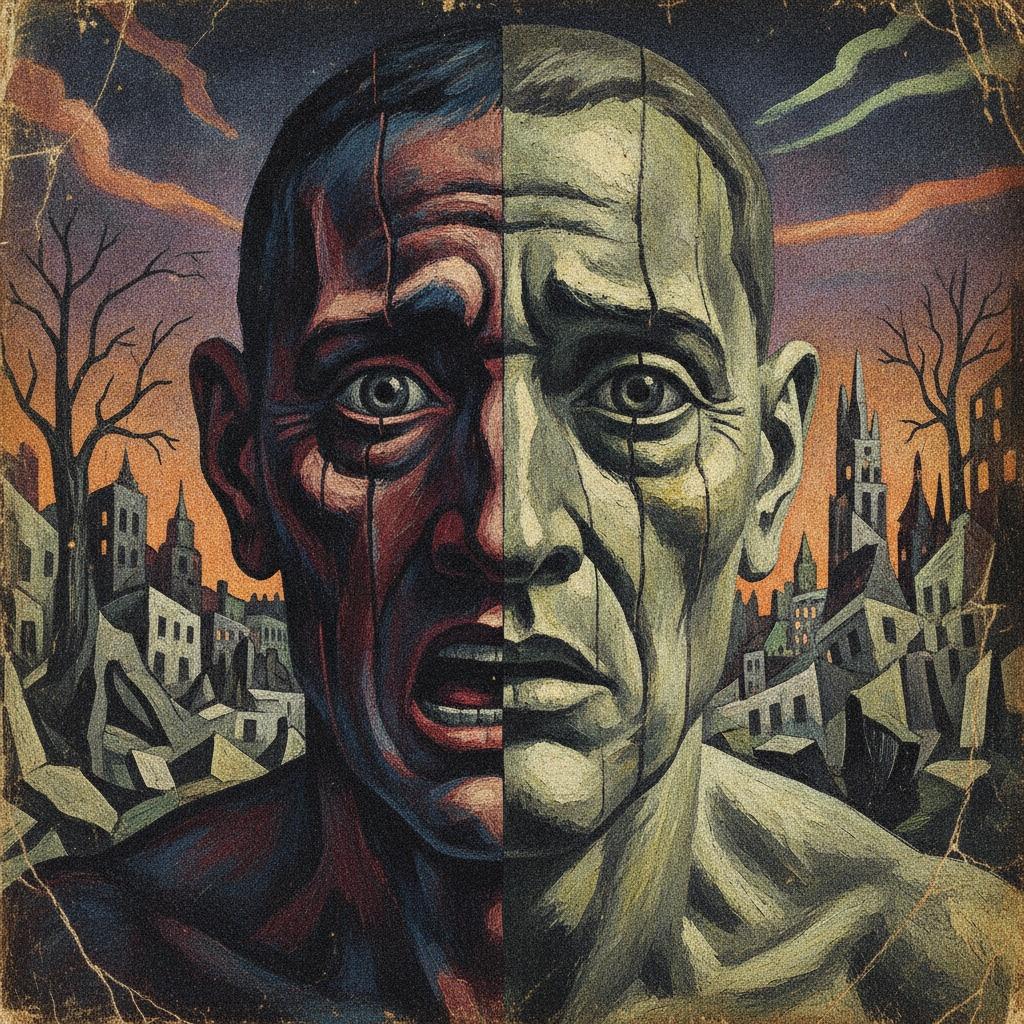
To step into the world of German Expressionism is to abandon the comfort of the visible world and enter a realm where the internal psyche dictates reality. Unlike the Impressionists, who sought to capture the fleeting dance of light upon a surface, the Expressionists were driven by an urgent, almost desperate need to unmask the human condition. This movement was not merely a stylistic choice but a profound psychological rebellion against the stifling conventions of the late 19th century and the encroaching industrialization of Europe. It sought to strip away the polite veneer of civilization to reveal the raw, often turbulent emotions beneath—anxiety, ecstasy, alienation, and spiritual longing. At its core, this art form functions as a mirror to the soul. The subject matter is rarely about the literal depiction of a person or a place; rather, it is about the feeling that the subject evokes within the artist. It is an art of subjectivity, where the boundaries between the observer and the observed dissolve into a singular, visceral experience. For the enthusiast of classic art, understanding Expressionism requires a shift in perspective—from looking at what is painted to feeling what is being communicated through the very tension of the canvas.A Symphony of Distortion: Color, Form, and the Rejection of Realism
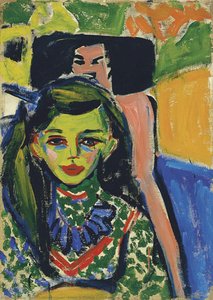
The visual language of German Expressionism is characterized by a deliberate and powerful rejection of naturalism. In this movement, color is liberated from its descriptive duties. A face need not be flesh-toned; it may instead be rendered in a sickly green to denote decay or a vibrant yellow to signal an inner fever. This use of non-naturalistic, often clashing hues serves to heighten the emotional stakes of the composition, creating a chromatic dissonance that resonates with the viewer's own subconscious tensions. Complementing this bold palette is the strategic use of distortion and exaggerated form. Lines become jagged, angular, and aggressive, mirroring the fractured state of the modern spirit. Figures are often elongated or compressed, their anatomy manipulated to convey weight, movement, or psychological distress. This rhythmic distortion creates a sense of kinetic energy, as if the very air within the painting is vibrating with unspoken truths. By abandoning the anatomical precision of the Old Masters, the Expressionists achieved a new kind of truth—one that resides in the intensity of the brushstroke and the evocative power of the silhouette.Die Brücke and Der Blaue Reiter: The Movements that Redefined Modernity
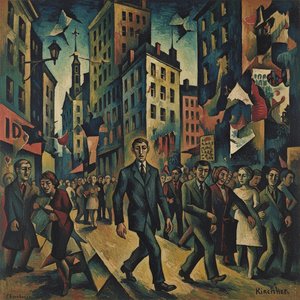
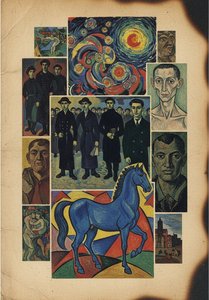
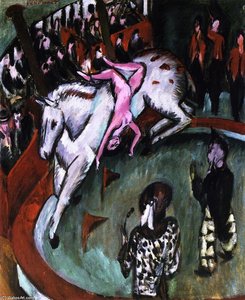
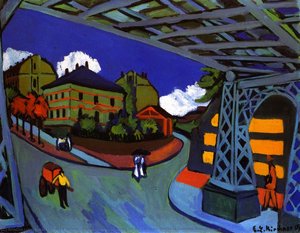
The landscape of German Expressionism was primarily shaped by two seminal groups, each offering a distinct interpretation of emotional release. The first, Die Brücke (The Bridge), emerged in Dresden around 1905. Comprising artists like Ernst Ludwig Kirchner, this group sought to create a "bridge" between the past and a revolutionary future. Their work is often characterized by a raw, primitive energy, utilizing woodcut-like aesthetics, stark contrasts, and a sense of urban tension that captured the frantic pulse of modern city life. In contrast, Der Blaue Reiter (The Blue Rider), centered in Munich, pursued a more spiritual and lyrical path. Led by figures such as Wassily Kandinsky and Franz Marc, this movement leaned toward abstraction and the metaphysical. Where Die Brücke was grounded in the grit of human experience, Der Blaue Reiter sought to transcend the material world entirely, using color and form to evoke cosmic harmonies and spiritual vibrations. Together, these two movements provided a dualistic foundation for modernism, exploring both the visceral struggles of the flesh and the ethereal aspirations of the spirit.Ernst Ludwig Kirchner: A Masterclass in Emotional Intensity and Urban Tension
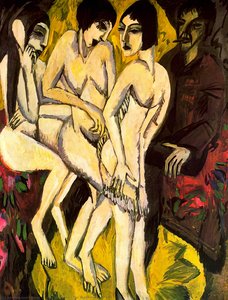
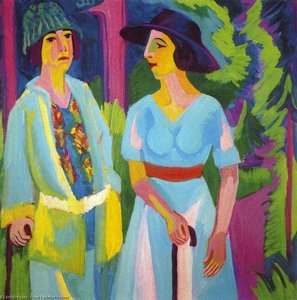
No artist embodies the duality of this era more profoundly than Ernst Ludwig Kirchner. His work serves as a definitive chronicle of the psychological shifts occurring at the dawn of the 20th century. In masterpieces such as The Judgement of Paris, one can witness his ability to weave bold colors and intense emotion into a complex narrative tapestry. Kirchner possessed an uncanny ability to capture the alienation of the modern individual, particularly within the claustrophobic, neon-lit streets of Berlin. His paintings often feature figures that seem caught in a state of perpetual motion or profound isolation. In works like Die Russin, the use of vibrant brushstrokes and distorted forms creates an atmosphere of intense feeling, where the boundaries between the characters and their environment become blurred. Kirchner’s genius lay in his ability to translate the frantic, often unsettling energy of urban existence into a visual language that remains as piercing today as it was during the height of the Expressionist movement.The Psychological Landscape: Capturing Anxiety and Vitality through Brushwork
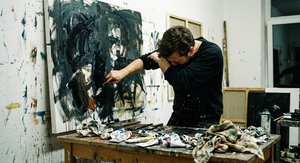
The landscape in German Expressionism is rarely a passive backdrop; it is an active participant in the emotional drama. The earth, the sky, and the mountains are imbued with the same psychological weight as the human figures inhabiting them. In Kirchner’s Die Amselfüh, for instance, the landscape is transformed into a dramatic stage of purple hues and rugged terrain, where the environment itself seems to breathe with an adventurous yet unsettling vitality. This effect is achieved through a highly tactile approach to paint application. The visible, often heavy brushwork—reminiscent of the impasto technique—adds a layer of physical urgency to the work. Every stroke carries the weight of the artist's hand, creating a surface texture that invites the viewer to sense the movement and the struggle inherent in the creation process. This tactile quality ensures that the landscape is not merely seen but felt, serving as an extension of the internal emotional state of the observer.Legacy and Resonance: How Expressionist Emotion Continues to Shape Contemporary Art
The echoes of German Expressionism can be heard across the entire spectrum of modern and contemporary art. The movement’s liberation of color and its embrace of subjectivity paved the way for the rise of pure abstraction and the subsequent movements of Neo-Expressionism. Its influence persists in any artwork that priorities emotional truth over literal representation, reminding us that the most profound realities are often those that cannot be seen with the naked eye. For the modern collector, engaging with these works is an act of connection to a fundamental human impulse: the desire to communicate the unutterable. Whether through the study of historical masterpieces or the appreciation of contemporary works that utilize similar emotive techniques, the legacy of German Expressionism remains a vital, breathing force in the art world. It continues to challenge us to look beneath the surface and find beauty in the raw, the distorted, and the deeply human.At ArtsDot.com, we celebrate this enduring passion for emotive art. Our mission is to make fine art accessible to everyone through our exquisite collection of hand-painted reproductions and custom commissions. From the bold, textured strokes of an Expressionist masterpiece to personalized portraits that transform your own memories into museum-quality oil paintings, our master artists bring historical depth to modern spaces. Whether you are seeking a large-scale mural to redefine an architectural space or a bespoke "remix" of a classic style, ArtsDot provides a bridge between the legends of art history and your personal collection.