The Dawn of Inner Turmoil: Contextualizing Expressionism's Origins
Expressionism is a modernist movement, initially in poetry and painting, originating in Northern Europe around the beginning of the 20th century. Its typical trait is to present the world solely from a subjective perspective, distorting it radically ...
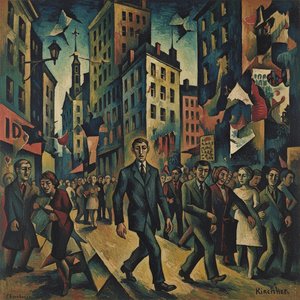
The early years of the 20th century were a crucible of change, and within that ferment of societal upheaval, a new artistic voice began to emerge – one not concerned with mirroring the external world, but with excavating the depths of the human psyche. Expressionism wasn’t simply a stylistic shift; it was a profound reaction against the perceived complacency of established norms, a visceral response to the anxieties and dislocations of modernity. The rapid industrialization sweeping across Europe, coupled with burgeoning urbanization, created a sense of alienation and fragmentation that traditional artistic approaches seemed ill-equipped to address. Artists felt increasingly disconnected from nature, from community, and even from themselves. This wasn’t merely a matter of aesthetic preference; it was an existential crisis reflected in brushstrokes and color palettes. The comfortable realism of the 19th century, with its emphasis on objective representation, gave way to a subjective exploration of emotion, often raw, unsettling, and deliberately distorted.
Die Brücke: Forging a New Artistic Bridge
 Wikipedia: Die Brücke
Die Brücke (German pronunciation: [diː ˈbʁʏkə] , "The Bridge"), also known as Künstlergruppe Brücke or KG Brücke, was a group of German expressionist artists formed in Dresden in 1905. The founding members were Fritz Bleyl, Erich Heckel, Ernst Ludwig...
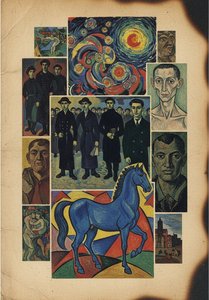
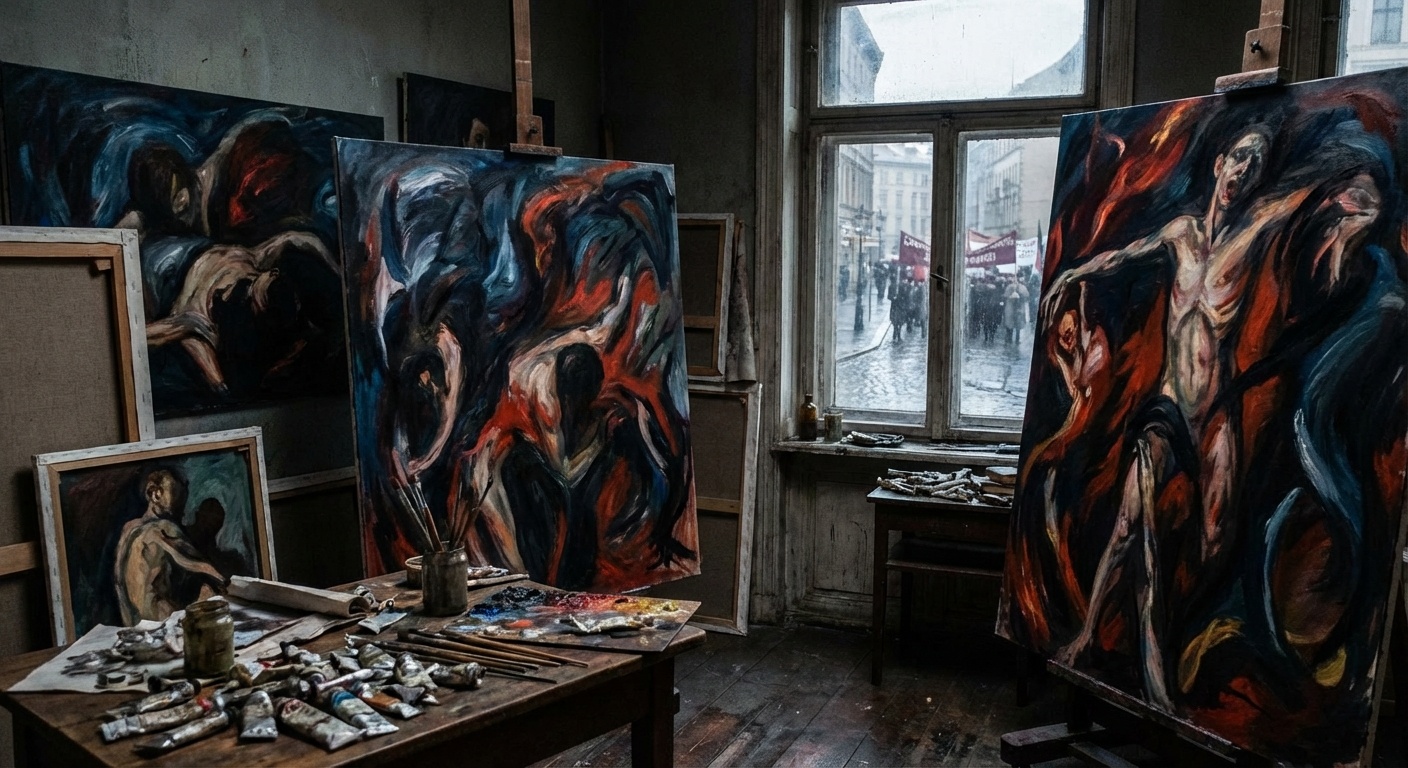
In Dresden, Germany, in 1905, a group of four architecture students – Fritz Bleyl, Erich Heckel, Ernst Ludwig Kirchner, and Karl Schmidt-Rottluff – coalesced around a shared desire to break with convention. They called themselves “Die Brücke” (The Bridge), a name that eloquently captured their ambition: to bridge the gap between traditional artistic values and a new, untamed expressive language. This wasn’t simply about rejecting academic training; it was about forging a direct connection to primal emotions, unmediated by established techniques or societal expectations. The group's early works were characterized by bold, often jarring color combinations, simplified forms, and a deliberate roughness of execution. They drew inspiration from sources as diverse as medieval woodcuts, African sculpture, and the art of children – anything that offered an alternative to the polished refinement they sought to dismantle. Die Brücke was intensely collaborative; members shared studios, critiqued each other’s work relentlessly, and collectively published portfolios showcasing their radical new vision. Later additions like Emil Nolde further amplified the group's impact, bringing a unique intensity and spiritual depth to their collective endeavors.
Key Characteristics of Expressionist Art: Distortion, Color & Subjectivity
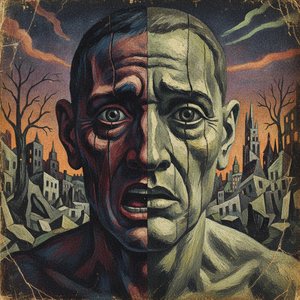
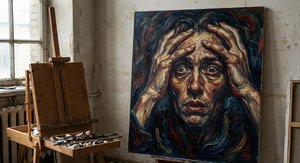
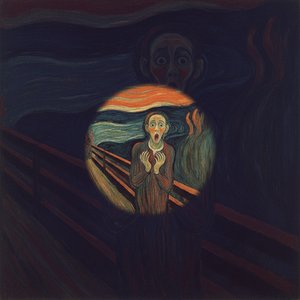
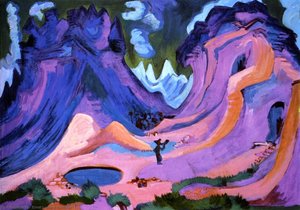
At its core, Expressionism prioritized subjective experience above all else. The goal wasn’t to depict what things *looked* like, but rather how they *felt*. This led to a deliberate distortion of form and perspective – figures were elongated, landscapes warped, and colors intensified to convey emotional states rather than realistic appearances. Color, in particular, became a potent tool for expression; artists often employed non-naturalistic palettes, using clashing hues and jarring contrasts to evoke feelings of anxiety, alienation, or spiritual unrest. The brushwork itself was frequently loose and gestural, reflecting the artist’s emotional state directly onto the canvas. Subjectivity wasn't merely a stylistic choice; it was a philosophical imperative. Expressionist artists sought to reveal their inner worlds – their fears, anxieties, and desires – with unflinching honesty. This often resulted in works that were unsettling or even disturbing, but they possessed an undeniable power and authenticity.
Iconic Expressionist Artists and Their Masterpieces
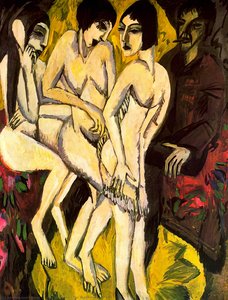
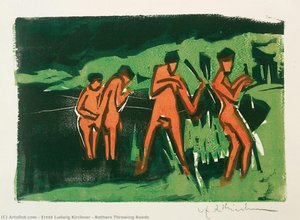
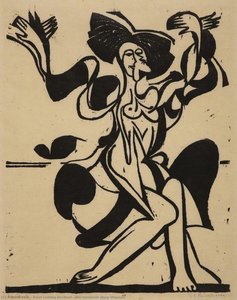
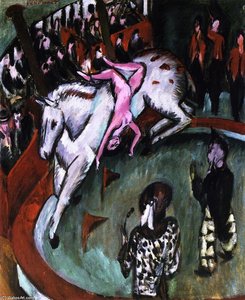
Ernst Ludwig Kirchner stands as a central figure of the movement, his paintings capturing the frenetic energy and alienation of modern urban life. Works like “The Judgement of Paris” demonstrate his masterful use of distorted figures and jarring color to convey a sense of psychological unease. His nudes, often depicted in claustrophobic interiors, explore themes of sexuality and isolation with raw intensity. Emil Nolde, another key figure, brought a unique spiritual dimension to Expressionism. His landscapes are characterized by vibrant colors and bold brushstrokes that evoke a primal connection to nature, while his portraits reveal the inner turmoil of his subjects. Karl Schmidt-Rottluff’s woodcuts, often depicting stark landscapes and solitary figures, possess a haunting simplicity and emotional power. Otto Mueller's “Lovers” exemplifies the movement’s exploration of intimacy and vulnerability through simplified forms and expressive lines. These artists weren’t working in isolation; they were engaged in a dynamic dialogue with each other, pushing the boundaries of artistic expression and challenging conventional notions of beauty.
Expressionism Beyond Painting: Literature, Film & Architecture
The impact of Expressionism extended far beyond the realm of painting. In literature, writers like Franz Kafka and Georg Trakl explored themes of alienation, anxiety, and existential dread with a similar intensity. Their works often employed fragmented narratives, distorted language, and unsettling imagery to convey the psychological turmoil of modern life. In film, directors like Robert Wiene (“The Cabinet of Dr. Caligari”) utilized exaggerated sets, dramatic lighting, and unconventional camera angles to create a sense of unease and disorientation. Expressionist architecture, though less widespread, also embraced distortion and emotional intensity, seeking to create spaces that evoked feelings of awe or anxiety. These diverse manifestations demonstrate the profound cultural impact of Expressionism – it wasn’t merely an artistic style; it was a worldview that permeated various aspects of early 20th-century society.
The Enduring Legacy of Expressionism in Modern and Contemporary Art
Though the initial fervor of Expressionism waned after World War I, its influence continues to resonate throughout modern and contemporary art. Artists like Francis Bacon and Willem de Kooning drew inspiration from Expressionist techniques, exploring themes of alienation, anxiety, and the human condition with similar intensity. The emphasis on subjective experience and emotional expression paved the way for Abstract Expressionism and other post-war movements. Even today, artists continue to grapple with the questions raised by the Expressionists – how can art effectively convey the complexities of the human psyche? How can we represent inner turmoil without resorting to cliché or sentimentality? The works created during this period remain powerfully relevant, offering a glimpse into the anxieties and uncertainties of a rapidly changing world. At ArtsDot.com, we are proud to offer high-quality reproductions of these iconic masterpieces, allowing you to experience the visceral power of Expressionism firsthand and connect with the artists who dared to explore the depths of the human soul.