
Introduction
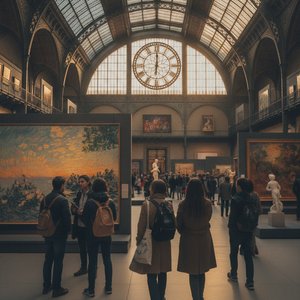
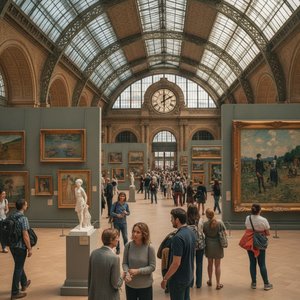
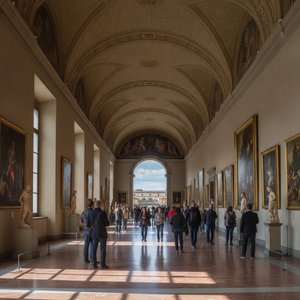
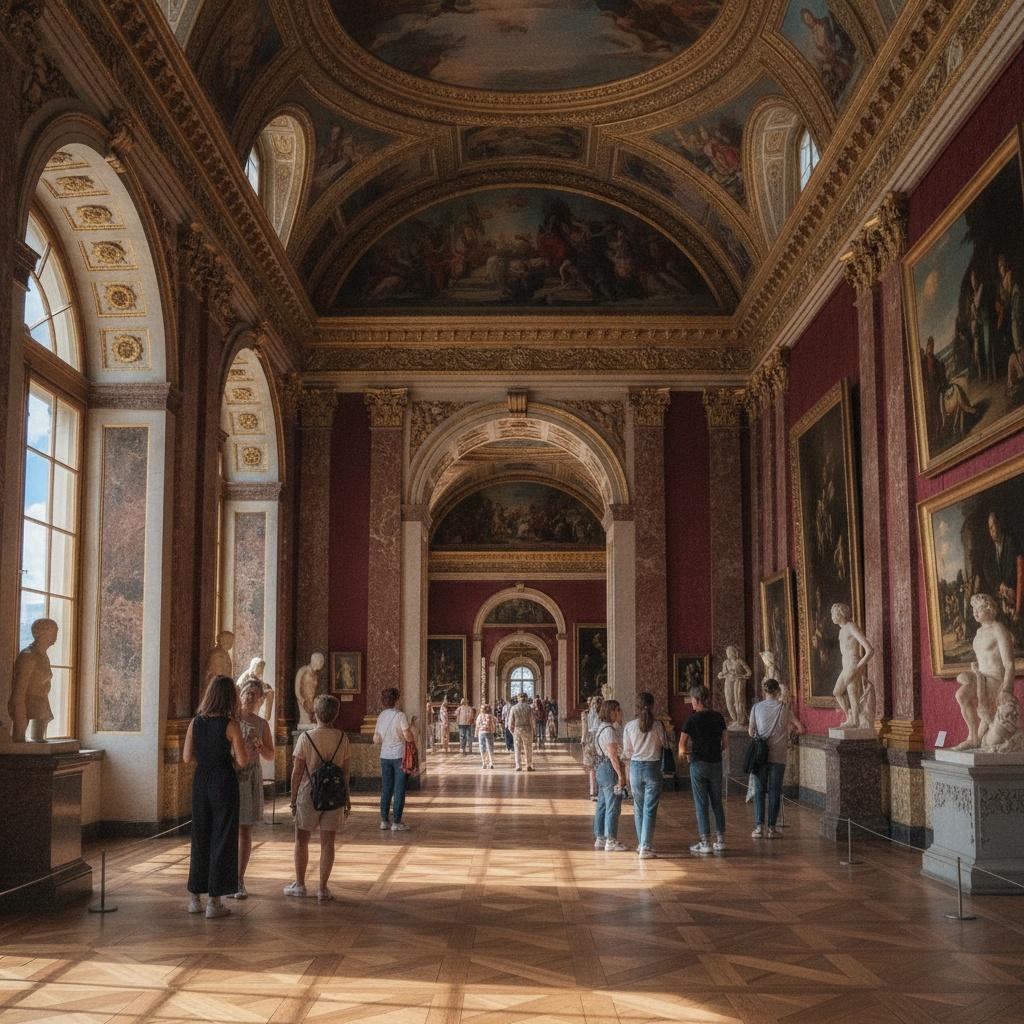
To step into the State Hermitage Museum is to walk through the very heartbeat of imperial history. Within the gilded corridors of the Winter Palace, time does not merely pass; it lingers in the delicate brushstrokes of masters and the silent, evocative gaze of ancient sculptures. This is not simply a collection of objects, but a profound dialogue between the grandeur of the Romanov dynasty and the enduring spirit of human creativity.
Founded by Catherine the Great in 1764, the Hermitage began as a private sanctuary for her growing passion for Western European art. What started with a single painting has blossomed into one of the world's most vast and significant repositories of culture, housing over three million treasures. From the opulent halls of the Winter Palace to the quiet majesty of the Small Hermitage, every gallery tells a story of Russia’s complex relationship with Europe—a journey from Tsarist ambition to a global legacy of enlightenment and artistic preservation.
These works remain vital today because they transcend their era. Whether it is the meticulous precision of a Dutch landscape or the dramatic tension of a Renaissance masterpiece, these canvases capture universal truths about beauty, power, and mortality. They serve as anchors in an ever-changing world, reminding us of the heights of human achievement.
As we prepare to explore this curated selection, we invite you to look beyond the frame. We have selected twenty-five masterpieces that represent the pinnacle of the Hermitage’s collection—works that demand attention and reward deep contemplation. Each piece in this list offers a unique window into the soul of the museum, guiding you through a landscape of unparalleled artistic brilliance.
Harmony in Red - Henri Matisse
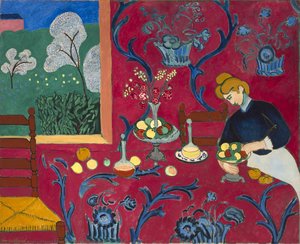 Harmony in Red - Henri Matisse
Did you know that Matisse’s Harmony in Red was originally envisioned as a much cooler composition? Initially titled “Harmony in Blue,” the artist famously underwent a radical transformation, saturating the canvas with intense, pulsating reds to unlock a deeper emotional resonance. As one of the most striking entries among the top 25 artworks in the Hermitage Museum, Saint Petersburg , this piece marks a revolutionary leap toward Fauvism. Matisse abandons traditional depth for a flattened, rhythmic landscape where the patterned wallpaper and the woman peeling an orange exist on a single, vibrant plane. The interplay of deep magenta against cool greens creates a visual symphony that defies photographic realism, prioritizing pure, expressive energy over mere representation. This masterful orchestration of color and form does more than decorate; it commands attention. Integrating such a bold, rhythmic masterpiece into a modern home office or study can cultivate an atmosphere of focused creativity and sophisticated intellectual vigor.
The return of the prodigal son - Rembrandt van Rijn
 The return of the prodigal son - Rembrandt van Rijn
Imagine standing in the hushed, amber-lit corridors of the Hermitage Museum, Saint Petersburg, when suddenly, the shadows part to reveal a moment of profound human vulnerability. In The Return of the Prodigal Son , Rembrandt van Rijn captures the very essence of grace through his legendary use of chiaroscuro. A singular, radiant shaft of light descends upon the kneeling, weary figure, sculpting his form from the surrounding gloom and illuminating the weathered, tender hands of his forgiving father.
The atmosphere is thick with palpable emotion—from the quiet concern of the onlookers to the serene dignity of the seated woman. Every brushstroke conveys a heavy, tactile reality, inviting you to feel the weight of the journey and the lightness of reconciliation. As one of the most significant pieces among the top 25 artworks in the Hermitage Museum, this masterpiece offers more than historical value; its deep, contemplative energy serves as a powerful anchor for any modern interior, inspiring a sanctuary of reflection and timeless peace within your own home.
Street in Saintes-Maries - vincent willem van gogh
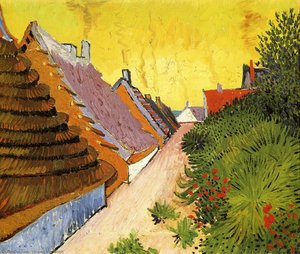 Street in Saintes-Maries - vincent willem van gogh
The radiant, sun-drenched golden hues in Street in Saintes-Maries by Vincent van Gogh immediately envelop the viewer in a mood of warmth and Provencal tranquility. As a vital inclusion among the top 25 artworks in 'Hermitage Museum, Saint Petersburg' , this masterpiece demonstrates Van Gogh’s revolutionary use of color; his bold application of orange, pink, and deep violet creates a rhythmic energy that defines Post-Impressionism. The thick, tactile impasto technique allows light to dance across the canvas, making the village street feel alive with movement.
For the discerning collector, this painting’s vibrant palette offers a sophisticated way to curate a modern living space or dining room. By integrating its warm, glowing tones, you can transform a contemporary interior into an atmosphere of quiet prestige and sun-soaked comfort. Whether you are studying its historical significance or seeking a high-quality oil reproduction to anchor your home, the emotional depth of Van Gogh’s vision remains an enduring treasure.
Le Retour De L Enfant Prodigue - Rembrandt van Rijn
 Le Retour De L Enfant Prodigue - Rembrandt van Rijn
In Le Retour De L Enfant Prodigue , the deep, luminous golds and somber crimsons establish a mood of profound, spiritual warmth. This mastery of color, paired with Rembrandt’s legendary chiaroscuro, is precisely why this work remains a cornerstone among the top 25 artworks in the Hermitage Museum, Saint Petersburg. The way light emerges from the shadows to illuminate the father's hands and the son's weathered face creates a narrative tension that is almost palpable.
For the modern collector, this dramatic palette offers incredible inspiration; integrating these rich, earthy tones into a dining room or study can evoke an atmosphere of timeless intimacy and contemplative elegance. By mirroring Rembrandt’s interplay of light and shadow through textured fabrics or warm ambient lighting, one can transform a contemporary living space into a sanctuary of historical depth, much like the hallowed halls of the Winter Palace itself.
Dance (II) - Henri Matisse
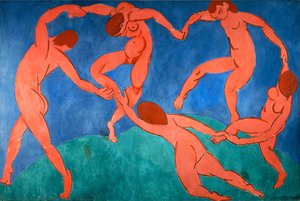 Dance (II) - Henri Matisse
The deep, hypnotic blue that defines the sky in Henri Matisse’s Dance (II) sets a stage of infinite, tranquil expanse, providing a profound emotional contrast to the rhythmic heat of the dancing figures. As one of the top 25 artworks in the Hermitage Museum, Saint Petersburg , this 1910 masterpiece exemplifies the Fauvist revolution through its audacious use of color. Matisse eschews traditional realism, instead utilizing saturated, vibrating hues of terracotta and lush, verdant green to capture the very pulse of human movement. This mastery of a simplified yet intense palette is precisely why it remains a cornerstone of modern art history.
Beyond the gallery walls, the painting’s vibrant color scheme offers incredible inspiration for contemporary interior design. The striking tension between the cool, atmospheric blues and the warm, earthy tones can be used to curate a dynamic atmosphere in a modern living room or dining area, bringing a sense of primal energy and rhythmic light into a sophisticated home.
St - El Greco
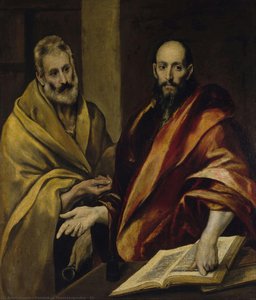 St - El Greco
To encounter El Greco’s 1592 masterpiece, St , is to witness a profound spiritual collision. Within the grand galleries of the Hermitage Museum, Saint Petersburg, this work transcends mere portraiture, presenting instead a haunting dialogue between the earthly and the divine. The painting captures an intense, unspoken exchange between figures, where the fiery, saturated crimson of one cloak clashes against the contemplative, shadowed vulnerability of the other.
As one of the top 25 artworks in 'Hermitage Museum, Saint Petersburg' , its philosophical depth lies in this tension—the struggle between resolute conviction and quiet, human doubt. El Greco’s signature Mannerist style, with its elongated forms and light that seems to emanate from within the figures themselves, creates an ethereal atmosphere that continues to resonate. In a modern era often dominated by the literal, El Greco’s deliberate distortion of reality serves as a powerful precursor to expressionism, reminding us that true emotional truth often lies beyond the boundaries of precise representation.
Flora - Rembrandt van Rijn
 Flora - Rembrandt van Rijn
There is a gaze in Flora by Rembrandt van Rijn that follows you through the grand galleries of the Hermitage Museum, Saint Petersburg—not with judgment, but with profound understanding . This isn’t merely a portrait; it is a mirror . As Rembrandt captures his beloved Saskia transformed into the goddess of spring, the painting becomes a window into the very soul of the Dutch Golden Age. One cannot help but be drawn to the luminous interplay of light and shadow—the master's signature chiaroscuro —which illuminates the delicate blossoms in her hair and the tender vitality of her expression. The textures of the petals and the soft, radiant glow of her skin feel almost tactile, as if the scent of springtime itself has been captured on canvas. Now, imagine that gaze in your own space. It does not watch you; rather, it serves as a quiet reminder : you are seen, and you are part of this eternal story of beauty and renewal.
Holy Family - Rembrandt van Rijn
 Holy Family - Rembrandt van Rijn
In Rembrandt van Rijn’s Holy Family , the composition achieves a profound structural harmony through a stable, pyramidal arrangement of the central figures. This geometric precision—anchoring Mary, Joseph, and the Christ child within a triangular core—creates a sense of eternal stillness that has made it a cornerstone of the Hermitage Museum, Saint Petersburg collection. The way light pierces the deep, amber shadows to illuminate the faces creates a rhythmic balance between the earthly workshop and the celestial presence of the hovering angels.
This masterful use of chiaroscuro does more than tell a biblical story; it establishes a visual equilibrium that resonates with the principles of modern minimalist design. Much like a contemporary piece of focused art, Rembrandt’s ability to strip away the superfluous, concentrating solely on essential light and form, allows this masterpiece to ground a clean, sophisticated aesthetic in any curated space. It remains an indispensable highlight among the top 25 artworks found within the legendary halls of the Hermitage.
Apostles Peter and Paul - El Greco
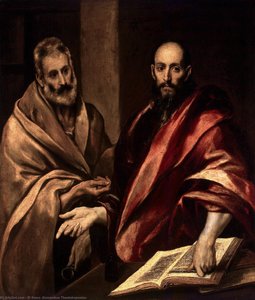 Apostles Peter and Paul - El Greco
In the hallowed halls of the Hermitage, El Greco’s Apostles Peter and Paul (1592) stands as a profound testament to the spiritual intensity of Mannerism. Doménikos Theotokotos—the Greek—transcended his Byzantine roots and Venetian training to create something entirely otherworldly. In this masterpiece, the dramatic interplay of light and shadow, or chiaroscuro , pulls the viewer into an intimate moment of divine contemplation. The apostles, draped in striking red robes, are captured in a state of spiritual tension; their hands approach one another without touching, a poignant symbol of reconciliation. El Greco’s signature elongated figures and flickering light anticipate the emotional depths of Expressionism, transforming a religious scene into a psychological landscape. To possess a hand-painted reproduction of such a work is to do more than decorate a wall; it is to invite this transformative, soulful energy into your own space, turning a mere room into a personal gallery of the world's greatest masters.
Madonna Litta - Leonardo da Vinci
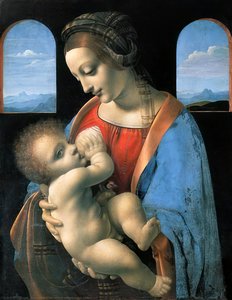 Madonna Litta - Leonardo da Vinci
Before the world knew him as the architect of the future, Leonardo da Vinci was perfecting a technique of shadows so subtle it seemed to breathe. In the Madonna Litta , created circa 1490, we witness the early, breathtaking application of sfumato —the smoky blurring of edges that allows light to dance across skin as if through a gentle mist. As one of the most profound treasures among the top 25 artworks in Hermitage Museum, Saint Petersburg , this piece moves beyond simple devotion. Leonardo uses the architectural rhythm of arched windows to pull the viewer into a deep, mountainous landscape, creating an illusion of space that was revolutionary for its era. The soft, ethereal glow surrounding the Virgin and Child evokes a sense of eternal peace and intellectual clarity. Bringing the presence of such a Renaissance icon into a modern home office or study can transform a workspace, instilling a sophisticated atmosphere of calm, focused ambition, and timeless creative inspiration.
St Luke Drawing a Portrait of the Madonna - Rogier van der Weyden
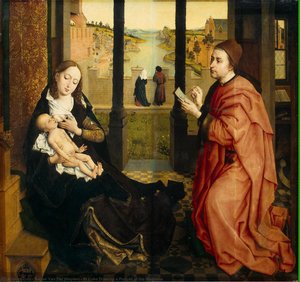 St Luke Drawing a Portrait of the Madonna - Rogier van der Weyden
Imagine a moment of profound stillness, where the only sound is the soft scratch of charcoal against wood and the quiet breath of the divine. In Rogier van der Weyden’s St Luke Drawing a Portrait of the Madonna , we are invited into this sacred studio. This masterpiece within the Hermitage Museum captures the very essence of Early Netherlandish devotion, blending meticulous realism with a mystical light that seems to emanate from within the figures themselves.
As Saint Luke diligently sketches the Virgin Mary and the infant Christ, the painting celebrates art not merely as a craft, but as a conduit for spiritual truth. Its inclusion among the top 25 artworks in Saint Petersburg is well-deserved; it possesses a rare capacity to evoke peace through its balanced composition and the serene landscape visible through an open window. Bringing such a piece into a modern home—perhaps as a hand-painted oil reproduction —allows this timeless tranquility and the rich, luminous textures of the 15th century to anchor your space with historical depth and quiet contemplation.
The Holy Family with St. Elizabeth and John the Baptist - Nicolas Poussin
 The Holy Family with St. Elizabeth and John the Baptist - Nicolas Poussin
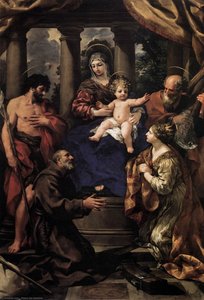
In the hallowed, silent galleries of the Hermitage, Poussin’s The Holy Family with St. Elizabeth and John the Baptist offers a moment of profound, rhythmic stillness. The subtle, gradated lighting bathes the figures in a celestial glow, creating an atmosphere of sacred devotion and classical harmony that transcends the centuries.
What if I told you that this masterpiece was born from a stroke of defiance against the ordinary? This is not merely art; it is a manifesto . Its place among the top 25 artworks in the Hermitage Museum is demanded by its revolutionary use of illusionism and classical restraint, redefining how light and landscape could convey the divine. Now, imagine this symphony of calm hanging above your desk or within a private study, turning every glance into a reminder: your space is not just a room. It’s a statement. At ArtsDot.com, we allow you to reclaim this historical grandeur through our exquisite, hand-painted oil reproductions, bringing the museum's most sacred moments into your personal sanctuary.
Descent from the Cross - Nicolas Poussin
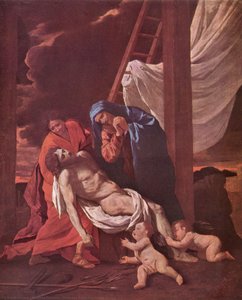 Descent from the Cross - Nicolas Poussin
In Descent from the Cross by Nicolas Poussin, the dramatic interplay of light and shadow—a masterful use of chiaroscuro—servs as the painting's emotional heartbeat. The way a celestial glow illuminates Christ’s vulnerable form against a turbulent, bruised sky of deep purples and ominous greys creates a profound sense of divine presence amidst human tragedy. This sophisticated command of illumination is precisely what secures this masterpiece's position among the top 25 artworks in the Hermitage Museum, Saint Petersburg ; it transforms a biblical event into a timeless meditation on grief.
For the discerning collector, owning a hand-painted oil reproduction of this work allows one to experience these subtle tonal ranges and the tactile depth of Poussin’s brushwork. When brought into a contemporary space, the painting's dramatic shadows and luminous highlights add an unparalleled layer of historical luxury and architectural depth, turning any wall into a window onto the grandeur of the Baroque era.
On the Sailing Boat - Caspar David Friedrich
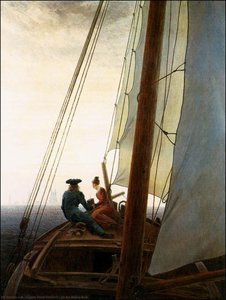 On the Sailing Boat - Caspar David Friedrich
Few realize that for Caspar David Friedrich, a landscape was never merely scenery; it was a vessel for the human soul navigating the infinite. In "On the Sailing Boat," one of the most evocative top 25 artworks in the Hermitage Museum, Saint Petersburg , the German Romantic master captures a moment of profound stillness. As you gaze upon the small craft and its solitary figures, the composition invites a deep, meditative silence. Friedrich’s technical genius lies in this very restraint—using the subtle interplay of light and the symbolic presence of a clock to evoke the relentless passage of time against the eternal backdrop of nature. The painting does more than depict a voyage; it captures the essence of quiet contemplation. Bringing such a masterpiece into your personal space, perhaps a modern home office or study, provides an anchor of tranquility, fostering a sophisticated atmosphere where deep focus and creative clarity can truly flourish.
Peasant-Girls with Brushwood - Jean-François Millet
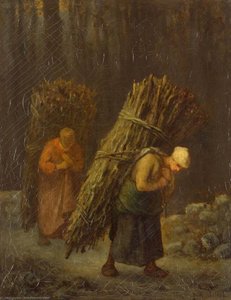 Peasant-Girls with Brushwood - Jean-François Millet
To encounter Peasant-Girls with Brushwood by Jean-François Millet within the grand galleries of the Hermitage is to witness a profound moment of quiet, monumental strength. As one of the top 25 artworks in Hermitage Museum, Saint Petersburg , this piece transcends mere rural documentation; it elevates the physical toil of the French countryside to a level of spiritual dignity. Millet, a master of the Barbizon School, utilizes heavy, textured brushstrokes and an earthy palette of deep forest greens and umbers to capture the very weight of existence. The rhythmic struggle of the figures against the fading light creates an emotional resonance that has captivated collectors for centuries. For the discerning eye seeking to bring soul and groundedness to a modern luxury interior, this painting offers a timeless connection to the raw beauty of the human spirit, making it an incomparable centerpiece for any sophisticated collection.
Lute Player (detail) - Caravaggio
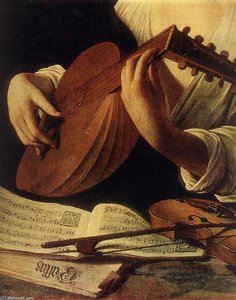 Lute Player (detail) - Caravaggio
A single shaft of light pierces the velvet darkness to find the Lute Player (detail) by Caravaggio, capturing a moment where melody and shadow become eternally entwined. As a cornerstone among the top 25 artworks in the Hermitage Museum, Saint Petersburg, this work is immortalized for its revolutionary use of tenebrismo —a technique that transforms mere light into a profound psychological force.
One can almost feel the tactile warmth of the lute's wood and the weight of the surrounding books as they emerge from the deep, dramatic shadows. The incandescent glow on the player’s hands creates a sensory experience that is both intimate and breathtakingly intense. This mastery of chiaroscuro does more than depict a scene; it invites a meditative stillness. For the modern collector, integrating such a powerful study of light and emotion into an interior offers an unparalleled sense of dramatic sophistication and timeless elegance, grounding a contemporary space in the profound beauty of the Baroque era.
Moonrise by the Sea - Caspar David Friedrich
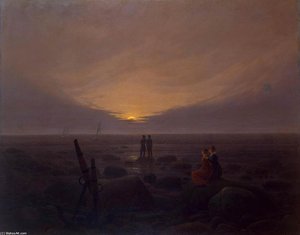 Moonrise by the Sea - Caspar David Friedrich
In the hallowed galleries of the Hermitage, Caspar David Friedrich’s Moonrise by the Sea serves as a profound window into the Romantic soul. This 1821 masterpiece captures the very essence of the sublime—that breathtaking moment where human insignificance meets the infinite grandeur of nature. As the luminous moon ascends over the Baltic horizon, its light pierces through a velvety twilight, illuminating three solitary figures perched upon rugged coastal rocks. These observers, lost in contemplation, invite us to share in their existential journey.
Through a masterful use of chiaroscuro , Friedrich creates a dramatic tension between the glowing celestial orb and the deep, mysterious shadows of the sea. The subtle textures of the waves and the distant, scattered boats evoke a sense of profound stillness punctuated by eternal movement. To bring a reproduction of this work into your space is not merely to decorate; it is an act of transformation, turning a room into a gallery of the soul where one can eternally encounter the majesty of the cosmos.
Crucifixion - Bernardino Luini
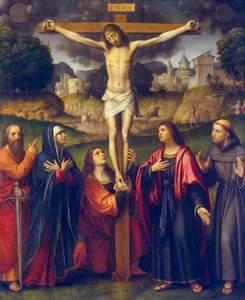 Crucifixion - Bernardino Luini
A moment of profound stillness, where the weight of human sorrow meets the grace of divine light, defines Bernardino Luini’s Crucifixion .
As one of the most moving pieces among the top 25 artworks in the Hermitage Museum, Saint Petersburg , this 1530 masterpiece captures a unique intersection of Renaissance technical mastery and raw, spiritual vulnerability. Luini, deeply influenced by Leonardo da Vinci, employs a delicate sfumato technique to soften the edges of grief, allowing the vibrant reds and deep blues of the mourners' robes to emerge from an atmospheric landscape of distant mountains and quiet towns.
The composition presents a breathtaking paradox: an anatomically precise portrayal of agony paired with a face of serene acceptance. This profound harmony of light and shadow offers more than historical insight; it provides a sense of contemplative calm, making such a legendary work a timeless inspiration for those looking to infuse their modern interiors with classical sophistication through a hand-painted oil reproduction.
Self-Portrait - Sir Anthony van Dyck
 Self-Portrait - Sir Anthony van Dyck
Imagine standing in a quiet gallery within the Hermitage Museum , where the direct, piercing gaze of Sir Anthony van Dyck suddenly meets your own. In this 1622 Self-Portrait , the young Flemish master does not merely pose; he asserts his authority. The painting is a masterclass in Baroque refinement, moving away from the exuberant energy of his mentor, Rubens, toward a more polished, aristocratic grace.
The sensory details are profound: the deep, velvety blacks of his attire contrast with the subtle, luminous highlights on his skin, while a muted palette of earth tones and shadows creates an atmosphere of dignified restraint. Every brushstroke speaks to a meticulous attention to texture and light. Bringing such a masterpiece into a contemporary home offers more than decoration; it provides a focal point of historical gravity and quiet sophistication, inviting a moment of reflective stillness amidst the rush of modern life.
Slave Market in Rome - Jean-Léon Gérôme
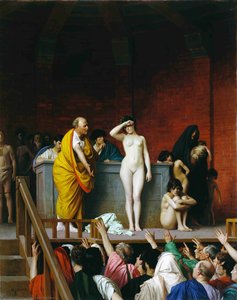 Slave Market in Rome - Jean-Léon Gérôme
In the hallowed galleries of the Hermitage Museum, Saint Petersburg, few works command attention with such visceral intensity as Jean-Léon Gérôme’s Slave Market in Rome . Painted in 1884, this masterpiece transports viewers to a sun-drenched yet somber corner of antiquity. The canvas vibrates with the heat of a Roman afternoon, where the golden hues of flowing robes clash against the gritty, shadowed textures of ancient brickwork and the calculating eyes of the crowd.
Gérôme’s meticulous academic precision brings every figure to life, capturing the tension of an auction that feels both historical and hauntingly immediate. There’s a gaze in "Slave Market in Rome by Jean-Léon Gérôme" that follows you—not with judgment, but with understanding . This isn’t a portrait; it’s a mirror . Its spot in the Top 25 is a testament to its power to make the invisible visible. Now, imagine that gaze in your space. Not watching you, but reminding you : you are seen. You are part of the story.
Portrait of Pope Paul III - Titian Ramsay Peale II
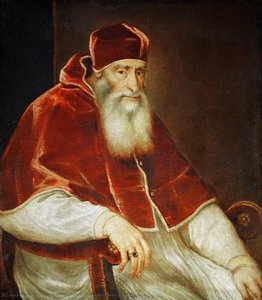 Portrait of Pope Paul III - Titian Ramsay Peale II
Within the hallowed galleries of the Hermitage, Titian Ramsay Peale II’s Portrait of Pope Paul III emerges as a profound dialogue between American vision and Venetian tradition. The canvas vibrates with the deep, authoritative crimsons of the papal robes, set against a somber, shadowy background that directs all focus to the weathered, dignified features of the Pontiff. Though Peale II was an American artist, his brushwork echoes the luminous textures of the High Renaissance, capturing the gravity and political weight of the Farnese dynasty during a period of immense European upheaval.
Owning this work by Titian Ramsay Peale II isn’t a purchase; it is an inheritance . Its presence in the Hermitage's top tier is a legacy—a handshake across centuries. It is not just art; it is a lineage of taste . At ArtsDot.com, we bring that very lineage to your walls. Through our meticulous, hand-painted oil reproductions, you can invite this museum-grade history into your home, where every glance at the textured brushstrokes serves as a nod to the masters.
Penitent St Mary Magdalene - Titian
 Penitent St Mary Magdalene - Titian
Tiziano Vecellio’s Penitent St Mary Magdalene stands as one of the most emotionally arresting works within the Hermitage Museum's collection. As a cornerstone of our exploration into the museum's top masterpieces, this painting captures a profound moment of spiritual vulnerability and human redemption. Through Titian's legendary command of chiaroscuro , a celestial light breaks through the somber shadows to illuminate the Saint’s face, mirroring her internal journey from darkness toward divine grace.
The canvas is alive with the tactile richness of impasto ; thick, deliberate brushstrokes create a physical depth in the rugged landscape and heavy drapery that invites close study. The palette—dominated by deep reds, warm golds, and earthy browns—is punctuated by the symbolic presence of a skull, a poignant reminder of mortality. For the modern connoisseur or interior designer, this work offers more than historical significance; its dramatic interplay of light and shadow provides a sophisticated focal point, capable of introducing a sense of theatricality and contemplative stillness to any curated space.
David and Jonathan - Rembrandt van Rijn
 David and Jonathan - Rembrandt van Rijn
In David and Jonathan , Rembrandt van Rijn employs his legendary mastery of chiaroscuro to sculpt profound emotion from the shadows. The light does not merely illuminate; it breathes life into the tender, sorrowful embrace between the two figures, pulling their faces from a deep, velvety darkness into sharp, poignant relief. This dramatic interplay of light and shadow is precisely why this work stands as a cornerstone among the top 25 artworks in the Hermitage Museum, Saint Petersburg . By focusing the viewer's gaze on the glistening tears and the tactile textures of their garments, Rembrandt transforms a biblical narrative into a universal study of human loyalty.
Bringing a Handmade Oil Reproduction of this masterpiece into a modern interior allows that same dramatic tension to inhabit your space. The visible brushstrokes and deep tonal range of an oil painting capture the light-drenched atmosphere of the Dutch Golden Age, adding an unmistakable layer of historical depth and quiet luxury to any contemporary wall.
Luncheon - Diego Velázquez
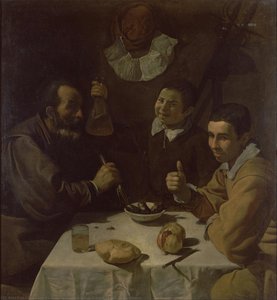 Luncheon - Diego Velázquez
A whisper of shared humanity, Luncheon by Diego Velázquez captures a fleeting moment of quiet camaraderie frozen in the amber of time. As one of the most profound treasures within the Hermitage Museum, Saint Petersburg , this work transcends mere genre painting to offer an intimate window into the Spanish Golden Age. It is immortalized among the museum's top 25 artworks because of its unparalleled psychological depth and revolutionary technique.
Velázquez employs a masterful use of light—a soft, pooling glow that illuminates the figures while allowing the background to dissolve into mysterious shadows. The textures of the scene, from the humble fruit to the glint of metal on the table, breathe life into the composition with an almost tactile realism. This sense of quiet, balanced harmony offers a timeless inspiration for modern interiors; owning a hand-painted oil reproduction of such a masterpiece allows one to invite this profound historical calm and academic sophistication into the home.
Reclining Woman - Gustave Courbet
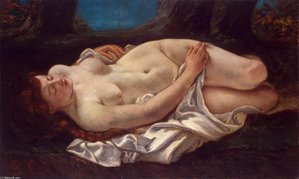 Reclining Woman - Gustave Courbet
In Reclining Woman by Gustave Courbet, the composition is anchored by a profound geometric stability. The horizontal repose of the figures creates a grounding line that intersects with the vertical strength of the flanking trees, establishing a structural harmony that feels both eternal and tranquil. This balance is precisely why it remains a captivating highlight among the top 25 artworks in the Hermitage Museum, Saint Petersburg; there is a rhythmic perfection in how Courbet uses mass and space to capture a fleeting moment of intimacy.
Much like the principles of modern minimalist design, the painting’s stripped-back focus on essential forms—the weight of the limbs, the texture of the bark, and the muted, earthy palette—provides a clean, unadorned aesthetic that resonates with contemporary sensibilities. Through his signature heavy impasto, Courbet does not merely depict a scene but builds a tactile reality, inviting the viewer to find beauty in the raw, unembellished truth of the natural world.
Conclusion
As the heavy doors of the Hermitage galleries seem to close behind us, we are left not with a sense of departure, but with a profound, lingering presence. These masterpieces are far more than historical artifacts preserved within the marble halls of the Winter Palace; they are enduring vessels of human emotion, capturing moments of divinity, struggle, and breathtaking light that remain as potent today as when the first brushstroke met the canvas centuries ago. To encounter them is to participate in a continuous dialogue with the masters, an experience that transcends time, geography, and the boundaries of the modern era.
At ArtsDot.com , our mission is to ensure this dialogue continues within the intimate spaces of your own home. We believe that the grandeur of Saint Petersburg should not be a distant memory held only by travelers, but a tangible reality you can touch and feel. Through our dedicated artisans, each iconic work is meticulously reborn as a hand-painted oil reproduction, crafted with an unwavering reverence for the original's texture, tonal depth, and historical soul. By translating the heavy impasto and delicate glazes of these legends onto fine cotton canvas, we allow the spirit of the masters to reside alongside you, breathing life into your walls. We invite you to wander through our full collection and discover how these timeless treasures can transform your surroundings into a sanctuary of culture and reflection.