The Genesis of Maritime Art: From Ancient Vessels to Early Ship Portraits
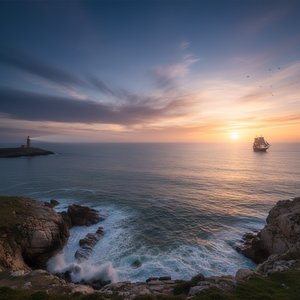
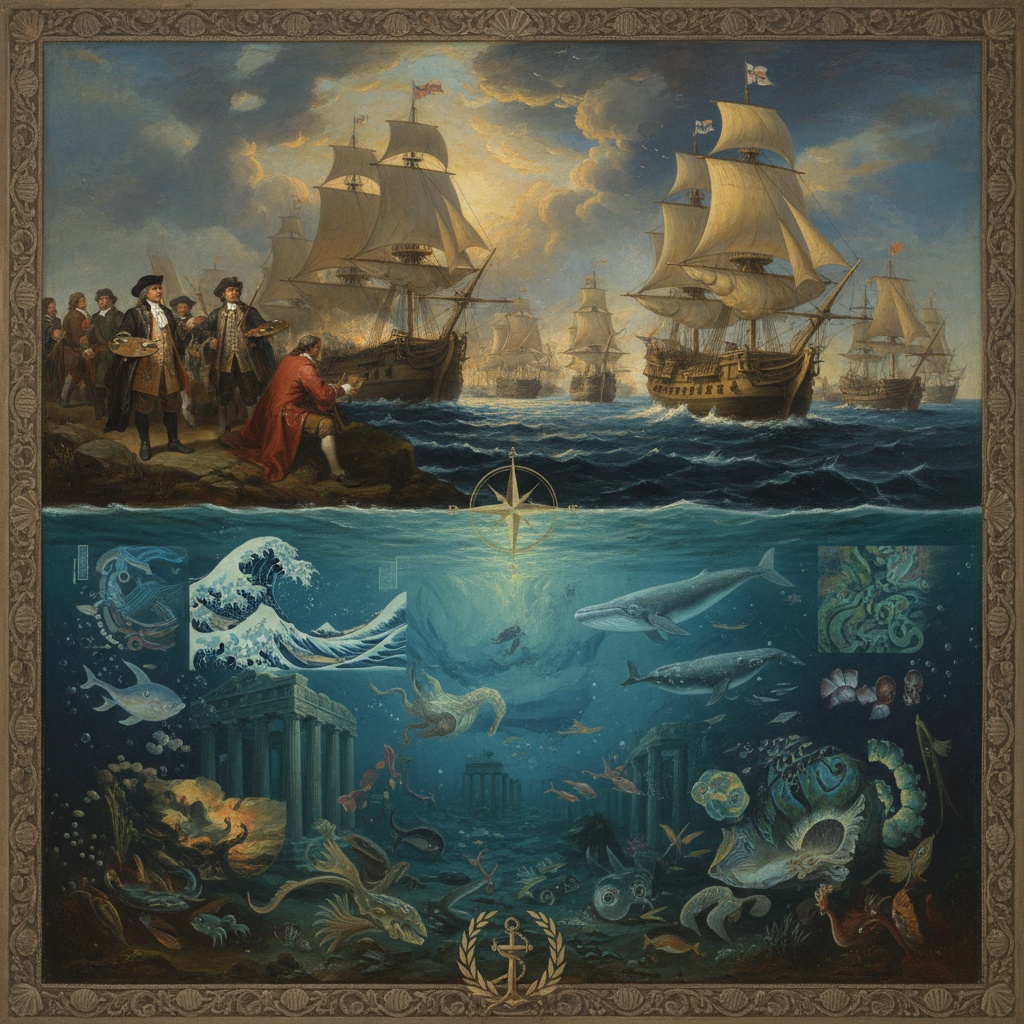
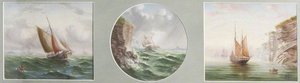
Marine art or maritime art is a form of figurative art (that is, painting, drawing, printmaking and sculpture) that portrays or draws its main inspiration from the sea. Maritime painting is a genre that depicts ships and the sea—a genre particularly...
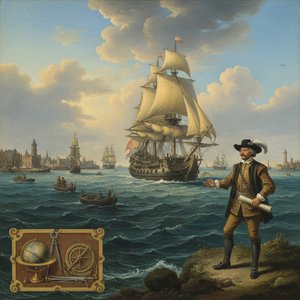
The allure of the sea has captivated humankind since time immemorial, a primal connection reflected in art from the earliest civilizations. While not initially a distinct genre, depictions of vessels appear as far back as prehistoric petroglyphs – reed boats etched into rock faces in Azerbaijan over 12,000 years ago, hinting at humanity’s nascent relationship with waterborne travel and trade. Ancient Egypt showcased elaborate river barges transporting gods and pharaohs, rendered with meticulous detail in tomb paintings and grave goods, though these were often symbolic rather than realistic portrayals of seafaring life. The Greeks and Romans continued this tradition, incorporating ships into narrative scenes on vases and mosaics, but a true focus on the sea itself remained elusive. These early representations served primarily as contextual elements within larger stories, lacking the dedicated artistic exploration that would characterize later periods.
The seeds of what we recognize as maritime art began to sprout in the late Middle Ages with the emergence of “ship portraits.” These weren’t grand seascapes; rather, they were precise depictions of individual vessels – often commissioned by merchants or naval officers – serving as visual records of their prized possessions. These early ship portraits, frequently found on seals and illuminated manuscripts, demonstrate a growing interest in documenting specific ships, foreshadowing the genre's future emphasis on realism and detail. However, it wasn’t until the Renaissance that landscape art truly began to flourish, paving the way for more expansive marine views, though pure seascapes remained rare.
Dutch Masters and the Golden Age of Marine Painting: Realism, Trade & Naval Power
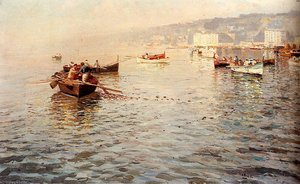 Fishing vessels off a coast
Admire 'Fishing Vessels Off a Coast' by Attilio Pratella! This Italian painting captures coastal life & maritime scenes. Hand-painted reproductions available.
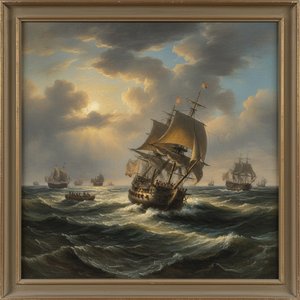
The 17th century witnessed a seismic shift in maritime art with the Dutch Golden Age. The Netherlands, a burgeoning maritime power fueled by global trade, fostered an unprecedented demand for paintings depicting ships and the sea. This wasn’t merely aesthetic appreciation; it was inextricably linked to national identity, economic prosperity, and naval dominance. Artists like Simon de Vlieger and Jan van de Cappelle emerged as pioneers, specializing in marine subjects with a dedication previously unseen. Their work moved beyond simple documentation, capturing the nuances of light on water, the drama of storms, and the bustling activity of harbors.
Dutch marine paintings are characterized by their remarkable realism – meticulous attention to rigging, hull construction, and wave patterns. They weren’t romanticized visions; they were accurate portrayals of working vessels, reflecting a society deeply connected to the sea. The genre also encompassed *battle scenes*, showcasing naval victories and the power of the Dutch fleet. This period established conventions that would influence marine painting for centuries – an emphasis on precise detail, atmospheric perspective, and a focus on capturing the raw energy of the ocean. The legacy of these masters lies not only in their technical skill but also in their ability to convey the importance of seafaring life within a specific historical context.
Romantic Visions of the Sea: Turner, Constable, and the Sublime in 19th-Century Seascapes
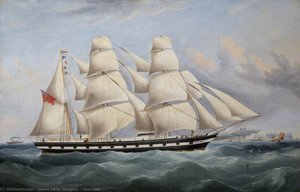
 Charles Robert Patterson
Discover Charles Robert Patterson's captivating maritime art! Explore historical ship paintings & turbulent seascapes from the early 20th century. See his U.S. Naval Academy murals & legacy.
The 19th century saw a dramatic shift in artistic sensibilities with the rise of Romanticism. Artists like J.M.W. Turner and John Constable turned their attention to the sea not as a subject for precise documentation but as a source of awe, terror, and sublime beauty. Turner, in particular, revolutionized marine painting with his evocative depictions of storms, shipwrecks, and the overwhelming power of nature. His paintings weren’t about specific vessels; they were about capturing the *emotional impact* of the sea – the swirling chaos of waves, the dramatic interplay of light and shadow, and the insignificance of humanity in the face of such immense forces.
Constable, while known primarily for his landscapes, also produced powerful seascapes that explored similar themes. His work emphasized atmospheric effects and a sense of emotional connection to nature. This period marked a departure from the Dutch emphasis on realism towards a more subjective interpretation of the sea – a focus on capturing its mood, atmosphere, and spiritual resonance. The Romantic fascination with the sublime elevated marine painting beyond mere representation, transforming it into a powerful vehicle for exploring human emotions and our relationship with the natural world.
The Rise of Specialized Marine Artists: Wyllie, Harris, and Patterson – Capturing a Changing World
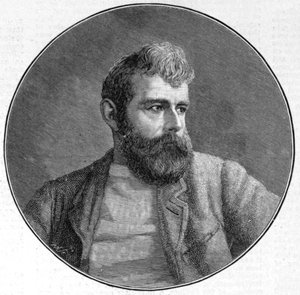 William Lionel Wyllie
Discover William Lionel Wyllie (1851-1931), Britain's premier marine artist! Explore his captivating seascapes, naval scenes & iconic Trafalgar panorama – a legacy of maritime art.
While the Romantics broadened the scope of marine art, the 19th and early 20th centuries also saw the emergence of dedicated marine artists who combined technical skill with historical awareness. William Lionel Wyllie stands as Britain’s premier marine artist, renowned for his captivating seascapes, naval scenes, and iconic Trafalgar panorama – a monumental work that captured the scale and drama of the famous battle. His paintings often depicted ships in bustling harbors or engaged in dramatic naval engagements, reflecting a fascination with maritime history and national pride.
James Harris Senior, a Welsh artist, specialized in dramatic seascapes and coastal scenes, capturing the power and beauty of the sea with evocative brushwork and atmospheric effects. Charles Robert Patterson further exemplified this trend, creating historical ship paintings and turbulent seascapes that documented a changing world – from sailing vessels to steam-powered ships. These artists weren’t simply replicating what they saw; they were interpreting it through their own artistic vision, blending realism with emotional depth. Their work often served as a visual record of naval history and the evolving relationship between humanity and the sea.
Beyond Representation: Exploring Themes of Adventure, Power, and Nature in Maritime Art
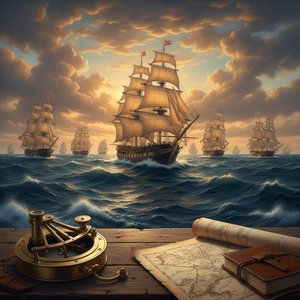
Maritime art transcends mere depiction; it’s a powerful medium for exploring universal themes. Adventure is perhaps the most obvious – paintings of explorers charting unknown waters or ships battling treacherous storms evoke a sense of courage, resilience, and the allure of the unknown. Power is another recurring motif, manifested in depictions of naval battles, grand fleets, and the sheer scale of maritime infrastructure. These images often served as symbols of national strength and imperial ambition.
However, beneath these surface narratives lies a deeper exploration of humanity’s relationship with nature. The sea is portrayed not just as a backdrop but as an active force – unpredictable, powerful, and ultimately indifferent to human endeavors. Paintings depicting shipwrecks or storms serve as reminders of our vulnerability in the face of natural forces. Ultimately, maritime art offers a complex and nuanced reflection of our enduring fascination with the ocean – its beauty, its power, and its profound impact on human history.
Collecting Marine Paintings Today: Investment, Aesthetics & Preserving a Legacy
For discerning collectors, marine paintings represent not only an aesthetic investment but also a connection to a rich historical tradition. The market for fine art remains robust, with particularly strong demand for works by Dutch Masters, Romantic artists, and specialized 19th-century painters like Wyllie and Harris. When acquiring marine art, consider factors such as the artist’s reputation, the painting’s provenance (history of ownership), its condition, and its subject matter.
Beyond investment potential, collecting marine paintings offers a unique opportunity to preserve a legacy – to own a piece of history that reflects humanity’s enduring relationship with the sea. At ArtsDot.com, we specialize in handmade oil reproductions of renowned masterpieces, offering collectors the chance to bring these iconic works into their homes. Our skilled artists meticulously recreate each painting on 100% cotton canvas using professional oils, ensuring museum-quality results. We also offer custom reproduction services, allowing you to transform cherished photos into stunning artworks in the style of your favorite marine artist. Explore our extensive collection and discover the timeless beauty of maritime art today.