The Genesis of Likeness: Portraiture Before the Renaissance
Renaissance art (1350 – 1620) is the painting, sculpture, and decorative arts of the period of European history known as the Renaissance, which emerged as a distinct style in Italy in about AD 1400, in parallel with developments which occurred in phi...
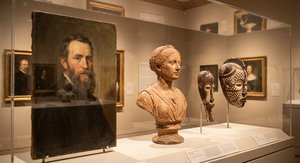
Before the flowering of the Renaissance, the concept of capturing a true likeness – a portrait that resonated with individual personality rather than idealized form – existed in fragmented forms. While not absent, the impulse to represent specific individuals was often subsumed within broader religious or commemorative contexts. Consider the plastered skulls meticulously reconstructed in the ancient Levant between 9000 and 6000 BC; these weren’t merely depictions of the deceased but acts of reverence, attempts to preserve a connection with ancestors. Similarly, Roman sculpture, though capable of remarkable realism, frequently prioritized civic virtue or imperial power over nuanced individual characterization. Portraits served as emblems of status and authority, not intimate reflections. The Greco-Roman tradition offered glimpses – busts celebrating emperors, coins bearing their visages – but these were largely concerned with projecting an image of strength and legitimacy. The early Christian world saw donor portraits emerge within altarpieces, yet even here, the focus remained on piety and patronage rather than a celebration of the individual’s unique features. These precursors laid the groundwork, hinting at a desire for representation, but lacked the philosophical underpinnings that would propel portraiture into its golden age.
Renaissance Portraiture: The Birth of Individualism
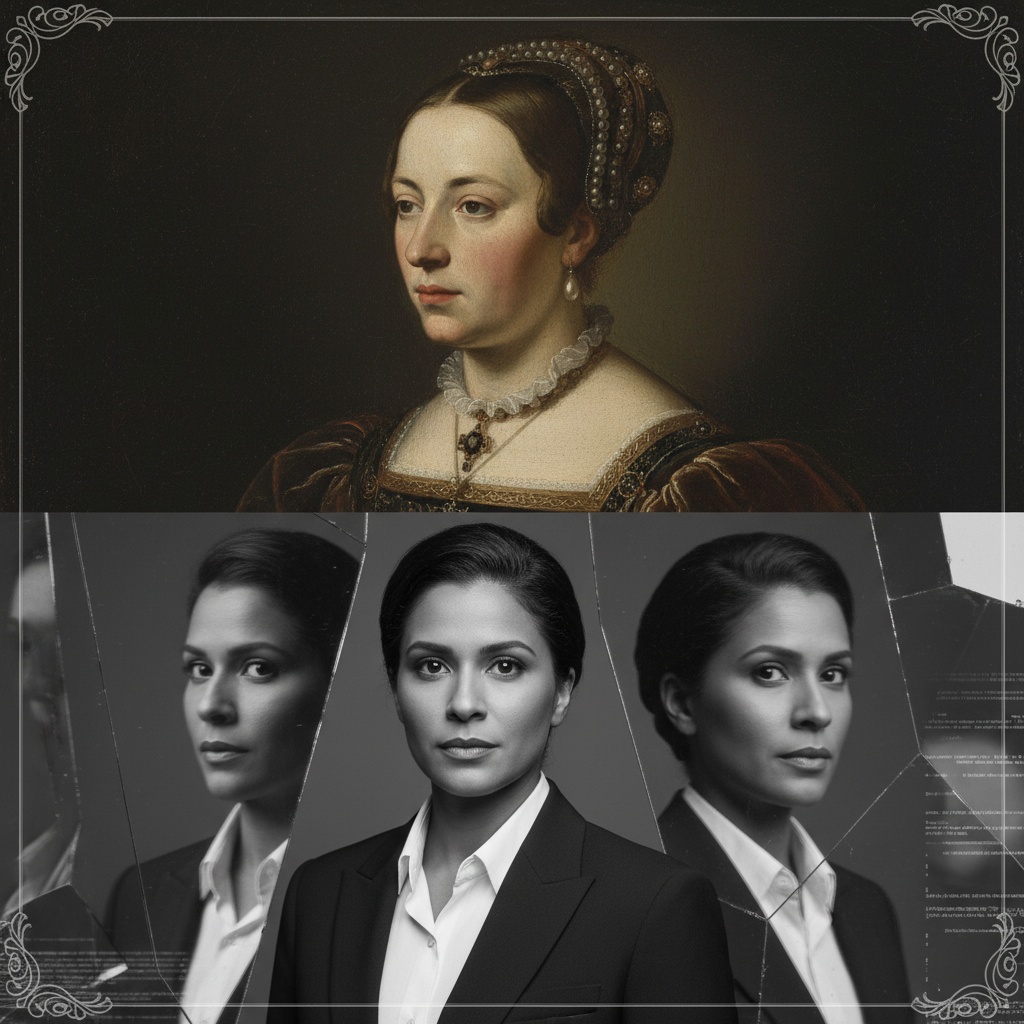
The Italian Renaissance witnessed a seismic shift in artistic and intellectual thought – a rediscovery of classical learning coupled with a burgeoning humanist philosophy that placed humankind at the center of inquiry. This newfound emphasis on individual potential directly fueled the rise of portraiture as we understand it today. Florence, brimming with wealth and ambition under the patronage of families like the Medici, became the epicenter of this revolution. Artists began to move beyond generic representations, striving to capture not just *what* a person looked like, but *who* they were. Masaccio’s frescoes, though not strictly portraits in isolation, demonstrated a revolutionary naturalism that paved the way for more individualized depictions. The development of oil paint, adopted from Flemish masters like Jan van Eyck, allowed for unprecedented detail and subtlety in rendering skin tones, textures, and expressions. This wasn't merely technical advancement; it was a philosophical one. Artists were no longer content to depict saints or biblical figures; they sought to immortalize the lives and personalities of their contemporaries. The profile portrait, echoing ancient Roman coins, initially dominated, but quickly evolved into more engaging three-quarter views that fostered a sense of connection between sitter and viewer.
Symbolism & Status: Decoding the Language of Renaissance Portraits
Renaissance portraits were rarely straightforward representations; they were complex visual statements laden with symbolism. Clothing, jewelry, posture, and even background elements conveyed information about the sitter’s social standing, profession, education, and moral character. A richly embroidered gown signified wealth and status, while a particular color might allude to family affiliations or religious beliefs. The inclusion of books hinted at learning and intellectual pursuits; musical instruments suggested refinement and artistic sensibility. Hands were particularly significant – their position could indicate generosity, piety, or authority. A carefully chosen landscape backdrop wasn’t merely decorative; it often held allegorical meaning, reflecting the sitter's virtues or aspirations. Consider Hans Holbein the Younger’s ‘Portrait of a Boy with Chestnut Hair,’ where the intricate details of his clothing and the inclusion of a hymnbook speak volumes about his upbringing and potential future. These weren’t accidental choices; they were deliberate attempts to construct a specific narrative around the sitter, projecting an idealized image of their identity. The very act of commissioning a portrait was itself a statement – a demonstration of wealth, power, and a desire for lasting remembrance.
Beyond Appearance: Psychological Depth in Portrait Painting
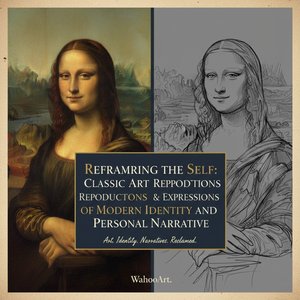
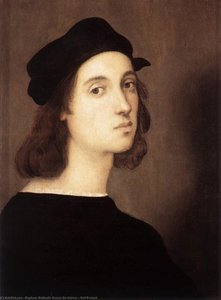
As Renaissance artists honed their skills, they moved beyond mere physical likeness to explore the inner lives of their subjects. Leonardo da Vinci’s *Mona Lisa* stands as perhaps the most iconic example of this shift – her enigmatic smile and subtle gaze invite endless interpretation, suggesting a complex personality hidden beneath the surface. Raphael's portraits, like that of Baldassare Castiglione, similarly convey a sense of intelligence and inner contemplation. Artists began to pay close attention to nuances of expression, capturing fleeting emotions and psychological states. This wasn’t simply about technical skill; it required empathy and an understanding of human nature. The use of *sfumato* – the subtle blending of tones to create soft transitions and atmospheric effects – contributed to this sense of depth and realism. The backgrounds became less ornate, allowing the sitter's personality to take center stage. Artists sought to capture not just how a person looked, but what they *felt*, creating portraits that resonated with emotional truth.
Self-Portraiture as a Reflection of Artistic Identity
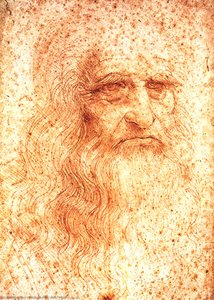
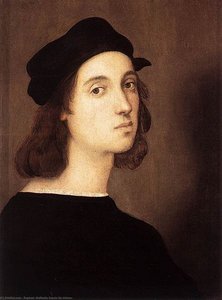
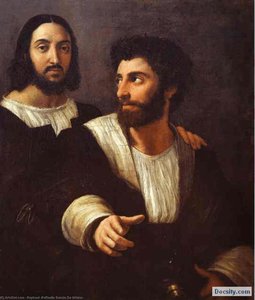
The Renaissance also saw the emergence of self-portraiture as a distinct genre – a means for artists to explore their own identity and demonstrate their technical prowess. While earlier examples exist, it was during this period that self-portraits became increasingly common and sophisticated. Raphael’s self-portraits, though often integrated into larger compositions, offer glimpses into his evolving artistic style and personality. Francesco Melzi’s purported self-portrait provides a fascinating insight into the life of Leonardo da Vinci's student, revealing a contemplative and introspective character. These weren’t simply exercises in technical skill; they were statements about the artist’s place within society and their relationship to their craft. Self-portraits allowed artists to control their own image, presenting themselves as intellectuals, craftsmen, or members of a particular social circle. They also served as valuable studies for understanding anatomy, expression, and the effects of light and shadow.
The Enduring Legacy: How Renaissance Portraiture Shaped Modern Representation
The innovations of the Renaissance portrait – its emphasis on individualism, psychological depth, and symbolic meaning – continue to resonate in contemporary art. The techniques developed during this period, from oil painting to chiaroscuro, remain fundamental tools for artists today. More importantly, the Renaissance established a precedent for viewing portraits as more than just likenesses; they are windows into the lives, personalities, and aspirations of their subjects. From courtly depictions to intimate self-studies, Renaissance portraiture laid the foundation for modern photography, film, and digital art. The desire to capture a true representation of the human spirit – to understand who we are and how we present ourselves to the world – remains at the heart of artistic expression. At ArtsDot, we celebrate this legacy by offering meticulously crafted reproductions of Renaissance masterpieces, allowing you to bring the beauty and insight of these iconic works into your own home. Explore our collection today and discover the power of portraiture to connect us with the past and illuminate the human condition. Find your perfect piece at ArtsDot.com.