The Essence of Regionalism: Defining the Art of Local Identity
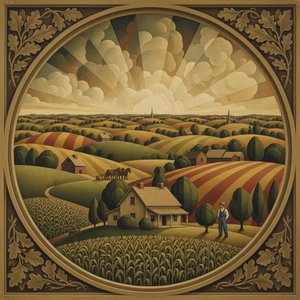
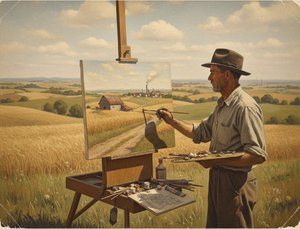
To understand the profound weight of art, one must look beyond the grand, sweeping narratives of global empires and instead peer into the quiet, rhythmic pulse of the local landscape. Regionalism is not merely a stylistic choice; it is an artistic philosophy rooted in the belief that the most universal truths are often found in the most specific places. It is a movement that seeks to capture the unique character, the distinct light, and the unyielding spirit of a particular geography and its people. While much of art history has been preoccupied with the pursuit of the avant-garde or the abstract, Regionalism offers a grounding return to the tangible, celebrating the textures of the earth and the faces of those who toil upon it.
At its core, this movement functions as a mirror held up to the community. It rejects the sterile detachment of cosmopolitan abstraction in favor of an intimate connection with the familiar. By focusing on local customs, vernacular architecture, and the seasonal shifts of a specific region, artists create a visual language that resonates deeply with those who call these places home. This art does not seek to escape reality but to dignify it, finding majesty in the mundane and heroism in the everyday lives of the common folk. It is an exploration of identity through the lens of place, proving that the soul of a nation is often composed of the many smaller, vibrant souls of its regions.
Rooted in the Soil: The Rise of American Regionalism and its Historical Context
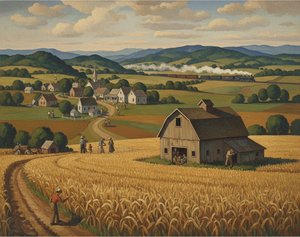
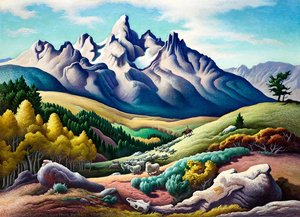
The emergence of American Regionalism in the early 20th century was far from accidental; it was a profound response to a nation in flux. As the shadows of the Great Depression lengthened across the United States, a sense of profound uncertainty gripped the collective psyche. The glittering promises of the Roaring Twenties had vanished, replaced by the harsh realities of economic collapse and environmental catastrophe. In this era of instability, there arose a powerful yearning for something stable, something recognizable, and something fundamentally American. Artists began to turn their gaze away from the European-influenced modernism of New York City and toward the vast, sprawling landscapes of the Midwest and the South.
This period saw a deliberate rejection of the "art for art's sake" mentality. Instead, painters sought to document the resilience of the American spirit amidst hardship. They drew inspiration from the ruggedness of the frontier and the industriousness of the agrarian heartland. This was an era where the landscape itself became a protagonist in the national story. By documenting the struggles and triumphs of rural life, these artists provided a sense of continuity and pride during a time when the very foundations of society seemed to be shifting. Their work served as both a historical record and a psychological anchor, tethering a fractured nation to its ancestral roots and its enduring connection to the land.
< and more, platforms that offer hand-painted reproductions, custom portrait commissions, and expert art consultation for homes, collectors, and professionals.Visions of the Heartland: Analyzing Key Figures and Iconic Masterpieces
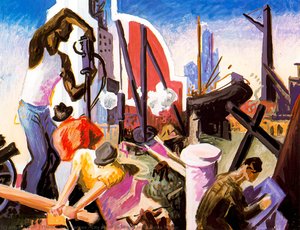
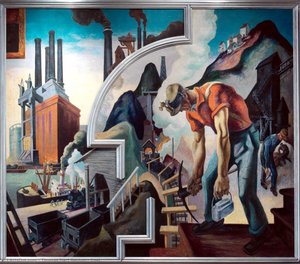
To walk through the gallery of Regionalism is to encounter masters of form and narrative who possessed an uncanny ability to breathe life into canvas. Perhaps no figure looms larger in this movement than Thomas Hart Benton. His work, such as the powerful Field Workers (Cotton Pickers) from 1945, exemplifies the iconic Benton style—characterized by muscular, undulating forms and a vibrant, rhythmic energy that seems to pulse with the very life force of the American landscape. His compositions are never static; they move with a cinematic fluidity, guiding the viewer through scenes of intense labor and communal vitality.
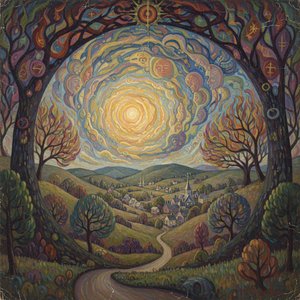
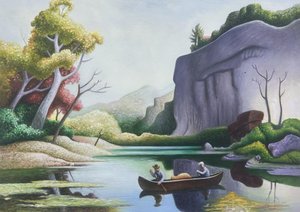
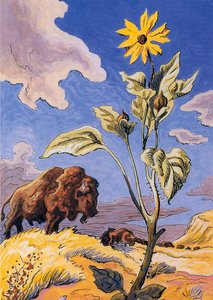
In contrast to Benton’s dynamic energy, other artists captured the more ethereal or poignant aspects of regional existence. Charles Burchfield offered a different perspective, utilizing watercolor to create emotional landscapes that felt almost supernatural. In works like The Hobo, Burchfield captures a sense of wandering and longing, where the landscape is not just a physical space but a psychological one, imbued with a haunting, poetic beauty. Similarly, the works of Levi Wells Prentice remind us of the quiet dignity found in the 19th-century American scene, capturing landscapes that feel both timeless and deeply rooted in a specific historical moment. These artists, though diverse in technique, were united by their commitment to portraying the authentic essence of their chosen subjects.
Social Commentary and Landscape: How Regionalist Artists Captured Rural Resilience
Beyond the aesthetic beauty of the landscapes, Regionalism served as a potent vehicle for social commentary. The movement often highlighted the stark realities of class, labor, and the human condition within rural settings. Artists like George Houston were pioneers in using their canvases to offer critiques of social structures, depicting the lives of the working class with an unflinching eye. This was not merely about documenting scenery; it was about documenting the struggle for dignity within a changing economic landscape. The brushstrokes themselves often carried this weight, with textures that mirrored the ruggedness of the subjects' lives.
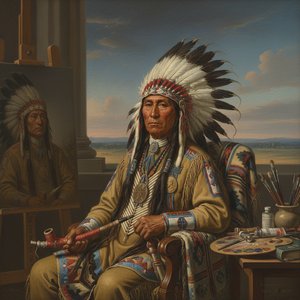
This theme of resilience is also beautifully explored in the work of Mary E. Powell, whose paintings capture the strength and perseverance of African-American life in the Midwest. Her art provides a vital layer to the Regionalist narrative, ensuring that the stories of marginalized communities are woven into the broader tapestry of American identity. Through her lens, we see the landscape as a site of both hardship and profound endurance. This intersection of landscape and social reality creates a tension that makes Regionalist art so enduringly compelling; it forces the viewer to confront the human cost of progress and the incredible strength required to survive amidst it.
The Enduring Legacy: Why Regionalism Continues to Resonate in Modern Art History
Though the height of the Regionalist movement has passed, its influence continues to ripple through the corridors of art history. In an increasingly globalized and digital world, where local identities can often feel diluted by a homogenized culture, the themes of Regionalism remain strikingly relevant. We still find ourselves searching for connection to our specific locales, seeking meaning in the traditions and landscapes that define our immediate surroundings. The movement’s emphasis on authenticity and the celebration of the "particular" serves as a perennial reminder of the value of heritage.
Today, we see the echoes of Regionalism in contemporary landscape photography, documentary filmmaking, and even in the way modern collectors seek out art that reflects their own personal histories. The movement taught us that there is no such thing as a "small" subject; every corner of the world holds a story worthy of monumental treatment. As we continue to navigate a complex and changing world, the soulful, grounded, and deeply human perspectives offered by the Regionalist masters provide an enduring source of inspiration, reminding us that our true identity is always found in the places we call home.
At ArtsDot.com, we are dedicated to preserving this rich tapestry of human creativity. From the muscular compositions of Thomas Hart Benton to the evocative watercolors of Charles Burchfield, our platform offers meticulously handcrafted oil reproductions and museum-quality Giclée prints that bring the spirit of art history into the modern home. Whether you are a seasoned collector or a history lover seeking to adorn your space with the soul of the American heartland, we provide the expertise, quality, and passion required to turn historical masterpieces into timeless personal treasures.