The Havell Family Legacy: A Foundation in Engraving
The Havell family of Reading, Berkshire, England, included a number of notable engravers, etchers and painters, as well as writers, publishers, educators, and musicians. In particular, members of this family were among the foremost practitioners of a...
The name Havell resonates with a particular significance within the history of British printmaking, extending far beyond individual artistry to encompass a dynasty deeply interwoven with the evolution of visual culture. While Robert Havell Sr. is rightfully celebrated for his pivotal role in popularizing botanical illustration and collaborating with John James Audubon, understanding his achievements requires acknowledging the rich artistic heritage that preceded him. The story begins with Luke Havell (1752?–1810), a drawing master who established a modest print shop in Reading, Berkshire. Though initially focused on signwriting, Luke’s innate talent for draftsmanship led to teaching positions and a burgeoning business catering to local clientele. His sons, Robert Sr. and William, inherited this artistic inclination, but it was Robert Sr.’s entrepreneurial spirit and keen eye for emerging techniques that would propel the family name into prominence. The Havells weren't merely craftsmen; they were astute observers of market trends, recognizing early on the growing demand for accessible, high-quality visual representations of the natural world – a demand they skillfully met through their mastery of aquatint engraving.
Robert Havell Sr. & the Early Days of Botanical Illustration
 Wikipedia: Botanical illustration
Botanical illustration is the art of depicting the form, color, and details of plant species. They are generally meant to be scientifically descriptive about subjects depicted and are often found printed alongside a botanical description in books, m...
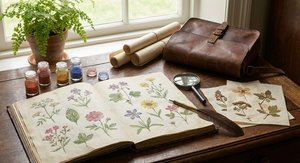
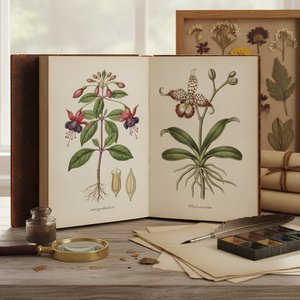
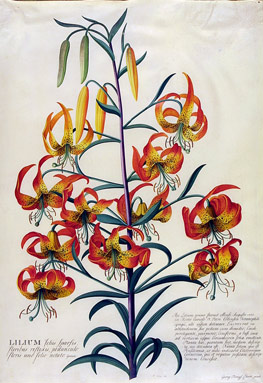
Born in 1769, Robert Havell Sr. initially followed in his father’s footsteps, establishing himself as an artist and printmaker in London. By the early 19th century, he had built a thriving business at Chapel Street, specializing in aquatint – a technique perfectly suited to capturing the delicate nuances of botanical forms. Before Audubon, however, Havell was already making a name for himself through his meticulous depictions of flora and fauna. Botanical illustration during this period wasn’t simply about aesthetic beauty; it served a crucial scientific purpose. Accurate representations were essential for identifying plant species, understanding their medicinal properties, and documenting the expanding natural world explored by botanists and explorers. Havell understood this imperative, approaching each subject with a dedication to precision that set his work apart. His early commissions included illustrations for horticultural publications and private collectors, establishing a reputation for both artistic skill and scientific accuracy. These works, often hand-colored after engraving, demonstrate a remarkable attention to detail – the subtle gradations of leaf venation, the delicate texture of petals, and the vibrant hues of blossoms are all rendered with exquisite care.
Aquatint Revolution: Mastering Colour and Tone in Printmaking
Aquatint is an intaglio printmaking technique, a variant of etching that produces areas of tone rather than lines. For this reason it has mostly been used in conjunction with etching, to give both lines and shaded tone. It has also been used histori...
The success of Robert Havell Sr.’s business hinged on his mastery of aquatint engraving. Unlike etching, which relies on lines to create images, aquatint utilizes powdered rosin – a resinous substance – to produce areas of tone. This process involved carefully applying the rosin to a copper plate, then biting the exposed metal with acid. The resulting plate could then be inked and printed, yielding soft, atmospheric effects that were ideal for depicting natural forms. Havell wasn’t merely replicating existing images; he was innovating within the technique itself. He experimented with different mordants, varying the application of rosin to achieve a wider range of tonal values, and skillfully combined aquatint with etching to create both delicate shading and crisp outlines. Crucially, Havell also excelled in hand-coloring prints – a laborious process that brought his botanical illustrations to life. His team of skilled colorists employed watercolor techniques to imbue each print with vibrant hues and realistic detail, transforming them into miniature works of art. This combination of technical expertise and artistic sensibility was central to Havell’s success.
Audubon's Collaborator: Havell’s Pivotal Role in 'Birds of America'
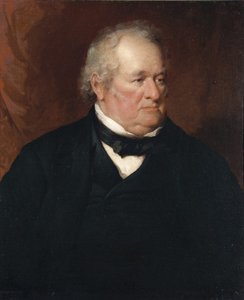 robert havell
Discover Robert Havell's stunning aquatint engravings & paintings! Famous for Audubon's 'Birds of America,' his landscapes & wildlife art capture 19th-century American beauty. Explore his legacy!
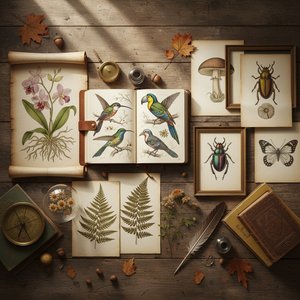
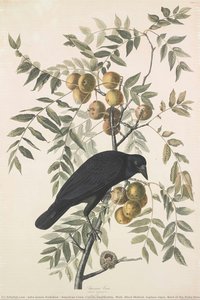
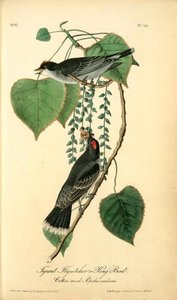
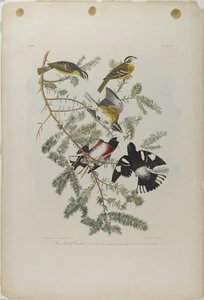
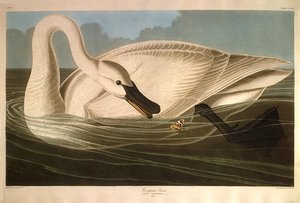
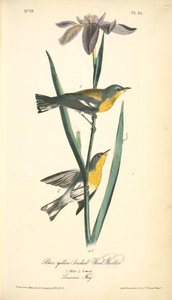
In 1827, a pivotal moment arrived with the arrival of John James Audubon at Robert Havell Sr.’s doorstep. Audubon, having amassed an extraordinary collection of bird drawings during his expeditions across North America, sought a skilled engraver to reproduce his work for publication. Recognizing the potential of this ambitious project, Havell agreed to undertake the monumental task – a commitment that would span over a decade and produce 435 life-size engravings. The collaboration wasn’t without its challenges. Audubon's drawings were large and complex, demanding exceptional skill from both artist and engraver. Furthermore, the sheer scale of the project required meticulous planning and coordination. Havell took on not only the engraving itself but also the supervision of printing and coloring – ensuring that each plate met his exacting standards. His son, Robert Havell Jr., who had previously pursued an independent career, rejoined the family business to assist with the engravings. The success of 'Birds of America' is a testament to the combined talents of Audubon and Havell Sr. While Audubon provided the artistic vision, Havell’s technical expertise transformed those visions into stunningly realistic prints that captivated audiences worldwide.
Beyond Audubon: Diverse Subjects and Artistic Contributions
While inextricably linked with 'Birds of America', Robert Havell Sr.’s artistic contributions extended far beyond ornithology. Throughout his career, he engaged in a diverse range of projects, demonstrating his versatility as an engraver and publisher. He produced aquatints depicting landscapes, portraits, and scenes from everyday life, catering to a broad clientele. His work also included illustrations for travel books and historical publications, showcasing his ability to adapt his style to different subjects and artistic conventions. Furthermore, Havell was involved in the publication of several notable series of prints, including 'Twenty Four Views Taken in St. Helena' after pictures by Henry Salt, and 'Twelve Picturesque Views of the River Thames'. These projects demonstrate a commitment to documenting both the natural world and the cultural landscape of his time. He wasn’t simply reproducing images; he was actively shaping public perceptions through his artistic choices.
The Enduring Influence of Havell’s Botanical Precision
Robert Havell Sr.’s legacy extends beyond the beauty of his individual prints to encompass a lasting influence on the art of botanical illustration and colour plate publishing. His mastery of aquatint engraving, combined with his dedication to scientific accuracy and artistic detail, set a new standard for printmaking in the 19th century. The techniques he pioneered – particularly his innovative approach to hand-coloring – continue to inspire artists today. Moreover, his collaboration with Audubon brought botanical illustration to a wider audience, fostering an appreciation for the natural world that endures to this day. ArtsDot.com proudly offers reproductions of Havell’s exquisite engravings, allowing art enthusiasts to experience the beauty and precision of his work firsthand. From the delicate Carolina Wrens featured in 'Birds of America' to his earlier botanical studies, these prints represent a remarkable achievement in artistic technique and scientific observation – a testament to the enduring power of visual representation.