Early Life & Influences: From Russia to the Parisian Avant-Garde
 Wikipedia: Sonia Delaunay
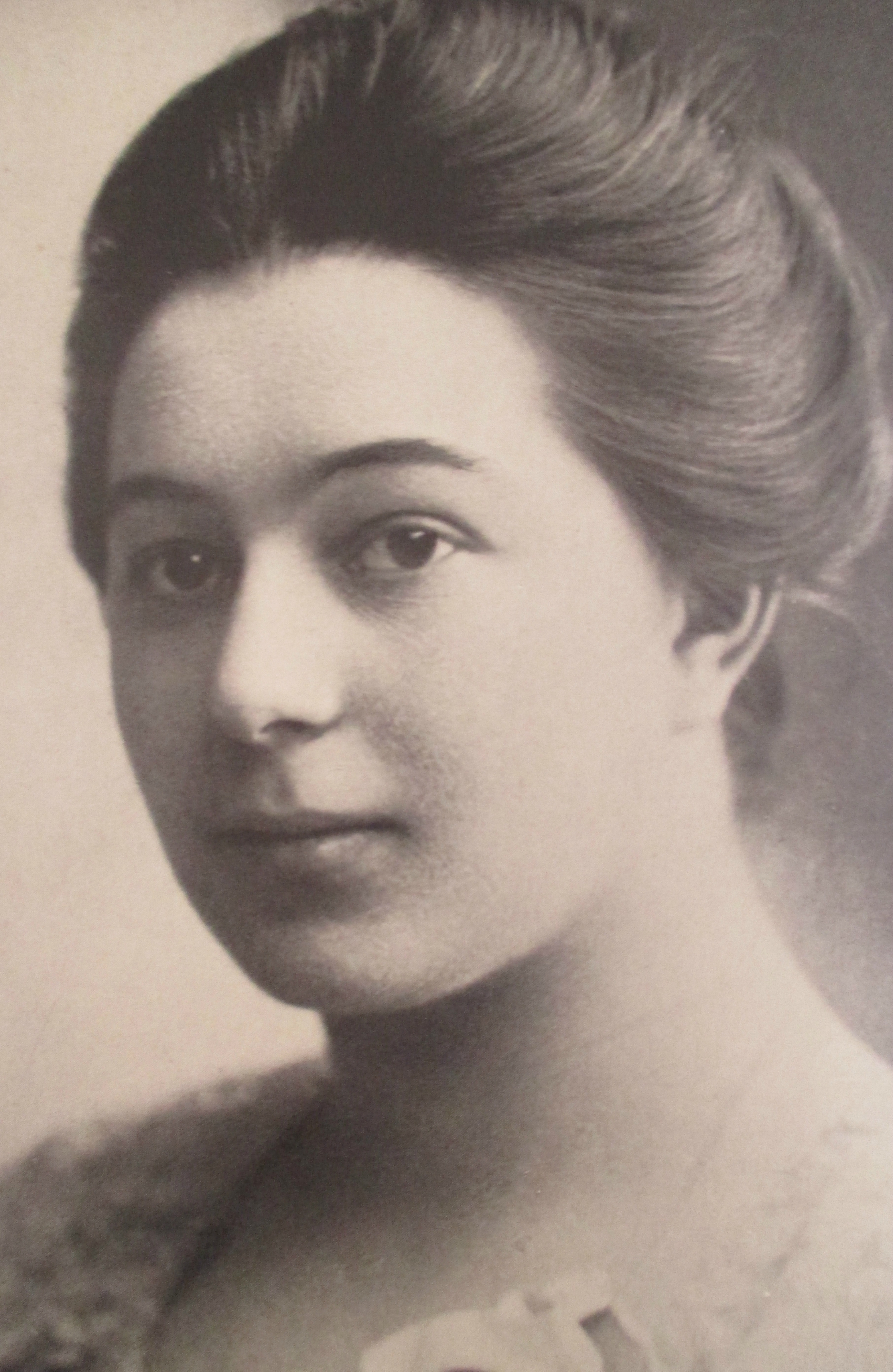
Sonia Delaunay (French: [sɔnja dəlonɛ]; 14 November 1885 – 5 December 1979) was a French artist born to Jewish parents, who spent most of her working life in Paris. She was born in the Russian Empire, now Ukraine, and was formally trained in Russia a...
Sonia Delaunay’s journey toward becoming a pivotal figure in abstract art was anything but predetermined. Born Sarah Ilinitchna Stern in 1885 in Hradyzk, Ukraine, her early life was marked by instability and ultimately, adoption by her wealthy maternal uncle, Henri Terk, in St. Petersburg. This relocation proved transformative, exposing the young Sarah to a world of art, literature, and culture previously beyond her reach. While her childhood lacked consistent parental presence, it fostered an independent spirit and a keen observational eye. The vibrant folk art traditions of Ukraine – rich with symbolic color and intricate patterns – would later become deeply embedded in her artistic vocabulary, surfacing as recurring motifs throughout her career. Formal training followed in Karlsruhe, Germany, providing a foundation in traditional techniques, but it was the move to Paris in 1905 that truly ignited her creative awakening.
Paris at the turn of the century pulsed with revolutionary energy. The fading echoes of Impressionism were overtaken by the bold pronouncements of Fauvism and the intellectual challenge of Cubism. Delaunay immersed herself in this dynamic environment, initially experimenting with Post-Impressionist styles before forging her own path. She wasn’t merely absorbing influences; she was actively seeking a new visual language—one that moved beyond representation and embraced pure sensation. This search led her to encounters with artists like Matisse and Derain, whose fearless use of color resonated deeply, yet Delaunay's ambition extended beyond simply applying vibrant hues; she sought to understand the very *structure* of color itself.
The Birth of Orphism: A Collaborative Vision with Robert Delaunay
 Robert Delaunay
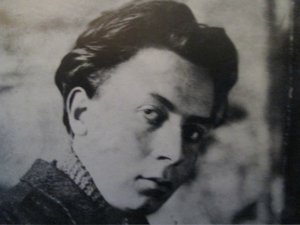
Discover Robert Delaunay (1885-1941), a pioneer of Orphism & Cubism. Explore his vibrant, abstract paintings – from the Eiffel Tower series to 'Simultaneous Contrasts' – and lasting influence on modern art.
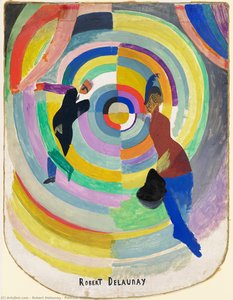
The meeting with Robert Delaunay in 1909 proved to be a watershed moment, not just for Sonia’s personal life but for the trajectory of modern art. Their connection was immediate and profound—a shared fascination with color, light, and the possibilities of abstraction. Their marriage in 1910 wasn't simply a union of two individuals; it was the genesis of Orphism, a movement that sought to create a purely abstract art based on the principles of rhythm, harmony, and color sensation. Robert coined the term “Simultanisme,” emphasizing the simultaneous contrast of colors and their emotional impact.
While often overshadowed by her husband’s prominence, Sonia was far from a passive collaborator. She actively contributed to the theoretical underpinnings of Orphism, pushing beyond canvas boundaries into applied arts—a realm Robert initially dismissed. Their early experiments involved analyzing color relationships and their psychological effects, drawing inspiration from Michel Eugène Chevreul's studies on simultaneous contrast. This wasn’t simply about aesthetics; it was a rigorous investigation into the very nature of perception. The birth of their son Charles in 1911 further fueled Sonia’s exploration, leading to her creation of a now-iconic patchwork quilt—a spontaneous expression of geometric forms and color that is widely considered a pivotal work marking her departure from traditional representation.
Simultanisme in Practice: Color, Geometry, and the Rejection of Representation
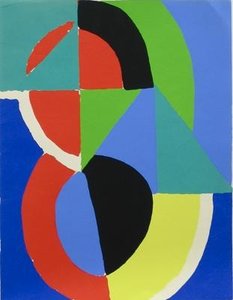 Composition
Discover "Composition" by Sonia Delaunay – a vibrant Orphism masterpiece! Bold geometric shapes & dynamic color create an unforgettable abstract artwork. Explore now!
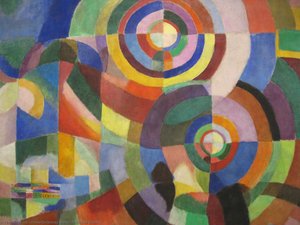
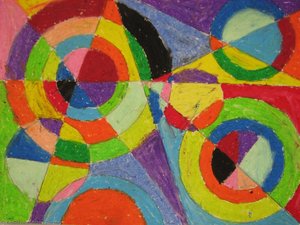
Sonia Delaunay’s Simultanisme wasn't merely an aesthetic choice; it was a philosophical stance. She believed color possessed inherent emotional power, capable of evoking sensations independent of any representational subject matter. Her paintings became laboratories for exploring these possibilities—dynamic compositions built from interlocking geometric shapes and vibrant hues. Works like “Composition” (1913) exemplify this approach, showcasing bold circles, triangles, and rectangles that seem to vibrate with energy. The rejection of traditional perspective and form wasn’t an act of negation but a deliberate attempt to create a new visual reality—one based on pure sensation and the interplay of color.
This exploration extended beyond individual canvases. Delaunay sought to integrate Simultanisme into all aspects of life, believing that art should not be confined to galleries but permeate everyday experience. She experimented with textiles, creating boldly patterned fabrics for clothing and interiors, effectively blurring the boundaries between fine art and applied design. This holistic vision—a “total work of art”—was radical for its time, challenging conventional notions of artistic practice.
Beyond Painting: Textiles, Fashion, and a Total Work of Art
Sonia Delaunay’s foray into textiles wasn't simply a diversification of her artistic output; it was a fundamental extension of her Simultanist principles. She recognized the potential to bring abstract art directly into people’s lives through clothing, interiors, and everyday objects. In 1925, she opened a boutique called “Les Couleurs de la Mode,” showcasing dresses, fabrics, and accessories adorned with her signature geometric patterns. This venture was groundbreaking—one of the first instances of an artist actively designing commercially viable fashion items. The designs weren’t merely decorative; they were intended to be experienced as wearable art, transforming the wearer into a moving canvas.
Her influence extended beyond fashion. Delaunay designed interiors for private homes and public spaces, creating environments that enveloped viewers in her vibrant aesthetic. She even collaborated on set designs for theatrical productions, further demonstrating her commitment to integrating art into all facets of life. This pursuit of a “total work of art”—a unified artistic vision encompassing painting, textiles, fashion, and design—was remarkably prescient, anticipating many of the principles of later modernist movements.
Delaunay’s Legacy: Pioneering Abstraction and Inspiring Future Generations
Sonia Delaunay's impact on modern art is undeniable. As a pioneer of abstract art and co-founder of Orphism, she challenged conventional notions of artistic practice and expanded the boundaries of creative expression. Her unwavering commitment to color—not as mere decoration but as a powerful force in its own right—continues to inspire artists today. She was the first living female artist to receive a retrospective exhibition at the Louvre Museum in 1964, a testament to her enduring legacy.
Beyond her artistic achievements, Delaunay’s life story is one of remarkable independence and resilience. She navigated a male-dominated art world with grace and determination, forging her own path and leaving an indelible mark on the history of modernism. Her work reminds us that art isn't confined to canvases or galleries; it can be found in the everyday—in the patterns we wear, the spaces we inhabit, and the vibrant colors that surround us. ArtsDot.com offers a stunning collection of Delaunay’s iconic works, allowing you to experience the rhythms of abstraction firsthand and bring her revolutionary vision into your own home.