




The Enduring Appeal of Authenticity: Why Museum-Grade Reproductions Resonate Today
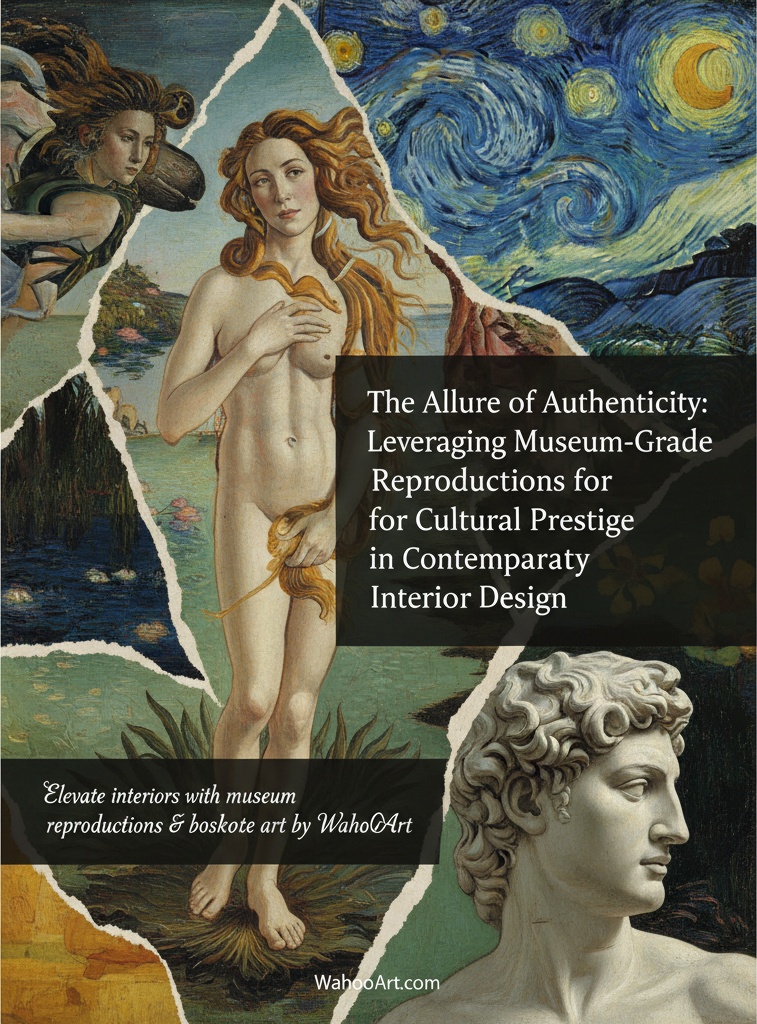
In an age saturated with the ephemeral—with digital images flickering across screens and mass production homogenizing aesthetics—a profound yearning for authenticity has taken root. This isn’t merely a nostalgic impulse, but a deeper desire to connect with history, craftsmanship, and the enduring power of human expression. Within the realm of interior design, this manifests as an increasing appreciation for pieces that transcend mere decoration, becoming instead portals to other times, cultures, and emotional landscapes. While acquiring original masterpieces remains the aspiration of many, museum-grade reproductions offer a compelling—and increasingly sophisticated—alternative. They allow discerning clients to curate spaces imbued with prestige, narrative depth, and personal resonance without compromising financial prudence or accessibility.
The allure isn’t simply about possessing an image; it's about inviting a legacy into one’s home. Consider the evocative power of Frida Kahlo’s self-portraits—each brushstroke a testament to her resilience, pain, and unique vision. To experience ‘My Dress Hangs There,’ with its surrealist symbolism and vibrant colors, is to engage with a profound story of identity and cultural heritage. A faithful reproduction, executed with meticulous attention to detail by skilled artisans, can capture this essence remarkably well. The key lies in discernment: seeking reproductions that prioritize accuracy not just in color and composition, but also in the texture of the canvas, the quality of the pigments, and the subtle nuances of brushwork. These aren’t copies; they are re-creations born from a deep understanding of technique and historical context—a testament to the enduring power of artistic skill.
Beyond Replication: The Artistry & Craftsmanship Behind Exceptional Reproductions
The notion that reproductions inherently lack value stems from a misunderstanding of their creation. Historically, the replication of artworks wasn’t simply a mechanical process; it was an integral part of artistic education and dissemination. Apprentices would meticulously copy masterworks to hone their skills, absorbing techniques and understanding compositional principles. Today, exceptional reproductions are similarly crafted—by artists who possess not only technical proficiency but also a deep appreciation for the original work. They aren't merely tracing lines on canvas; they’re interpreting a vision, recreating an atmosphere, and imbuing the piece with their own artistic sensibility.
The process begins with careful study of the original—analyzing brushstrokes, pigment layers, and canvas texture. Skilled artisans then employ traditional techniques, often using oil paints mixed by hand to match the precise colors and tones of the masterpiece. The choice of materials is paramount: 100% cotton canvases stretched tautly over wooden frames, archival-quality pigments that resist fading, and varnishes that protect the artwork for generations. This dedication to craftsmanship elevates reproductions beyond mere decoration—transforming them into objects worthy of contemplation and admiration. The involvement of a human hand introduces an element of nuance and individuality, bridging the gap between original and copy. It’s a process akin to a skilled musician performing a beloved symphony; while the notes remain the same, the interpretation is unique.
Curating Cultural Prestige: Building Collections That Tell a Story
The act of curating an art collection—even one comprised primarily of reproductions—reflects a sophisticated understanding of aesthetics and cultural history. It’s about more than simply acquiring beautiful images; it's about creating a cohesive narrative that speaks to individual taste, values, and aspirations. A well-curated space tells a story—a tale of artistic movements, historical epochs, and personal connections. Reproductions allow clients to explore diverse styles without significant financial risk, fostering creativity and allowing for a more personalized approach to interior design.
Consider the interplay of Impressionism and Renaissance art. Juxtaposing Monet’s ethereal landscapes with the classical portraits of Da Vinci creates a compelling dialogue—a conversation between different eras and artistic sensibilities. A series of Klimt reproductions, with their opulent gold leaf and symbolic imagery, can evoke a sense of luxury and sophistication, while a collection focused on Van Gogh's expressive brushwork conveys emotional intensity and passion. The Museo Histórico Sarmiento in Buenos Aires exemplifies this approach, showcasing art reproductions that illuminate Argentina’s cultural heritage and evoke a sense of national identity—a testament to the power of art to shape collective memory.
Personalization as Luxury: Tailoring Art to Individual Spaces and Tastes
The modern luxury consumer seeks not merely exclusivity but personalization. They desire experiences tailored to their individual needs and preferences, reflecting their unique stories and aspirations. This extends to the realm of art, where customization is no longer a luxury but an expectation. Beyond simply selecting a reproduction, clients increasingly desire bespoke elements that seamlessly integrate into their existing décor.
This includes adjusting size and framing to complement specific architectural features or color palettes. The ability to commission reproductions from personal photographs—transforming cherished memories into unique artworks—represents the pinnacle of personalization. Imagine a beloved family portrait recreated in the style of Rembrandt, adding a layer of historical depth and emotional resonance. Or a pet portrait rendered in the vibrant hues of Pop Art, capturing their playful personality with contemporary flair. This service allows clients to engage directly with the artistic process, collaborating with skilled artists to create pieces that are truly one-of-a-kind—expressions of their individual stories and values.
The Rising Value of Immersive Art: Murals, Frescoes, and the Future of Interior Design
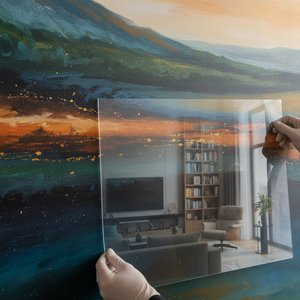
As spaces become increasingly valued for their experiential qualities, immersive art forms—such as murals and frescoes—are gaining prominence. These large-scale artworks transform interiors into captivating environments, enhancing their value and appeal. The ability to commission bespoke murals tailored to specific locations and aesthetic preferences further increases their desirability.
Traditionally associated with grand palaces and religious institutions, murals are now finding new life in luxury hotels, commercial spaces, and private residences. Skilled artists employ techniques honed over centuries—from Renaissance-style fresco painting to contemporary large-format digital printing—to create breathtaking compositions that captivate the senses. The growing demand for experiential design drives investment in these immersive art forms; they create memorable atmospheres that attract attention, generate revenue, and elevate brand identity. This trend represents a shift from simply displaying art *in* a space to creating an environment *of* art—a testament to the power of artistic expression to transform our surroundings.