The Genesis of Intaglio: Understanding the Etching Process
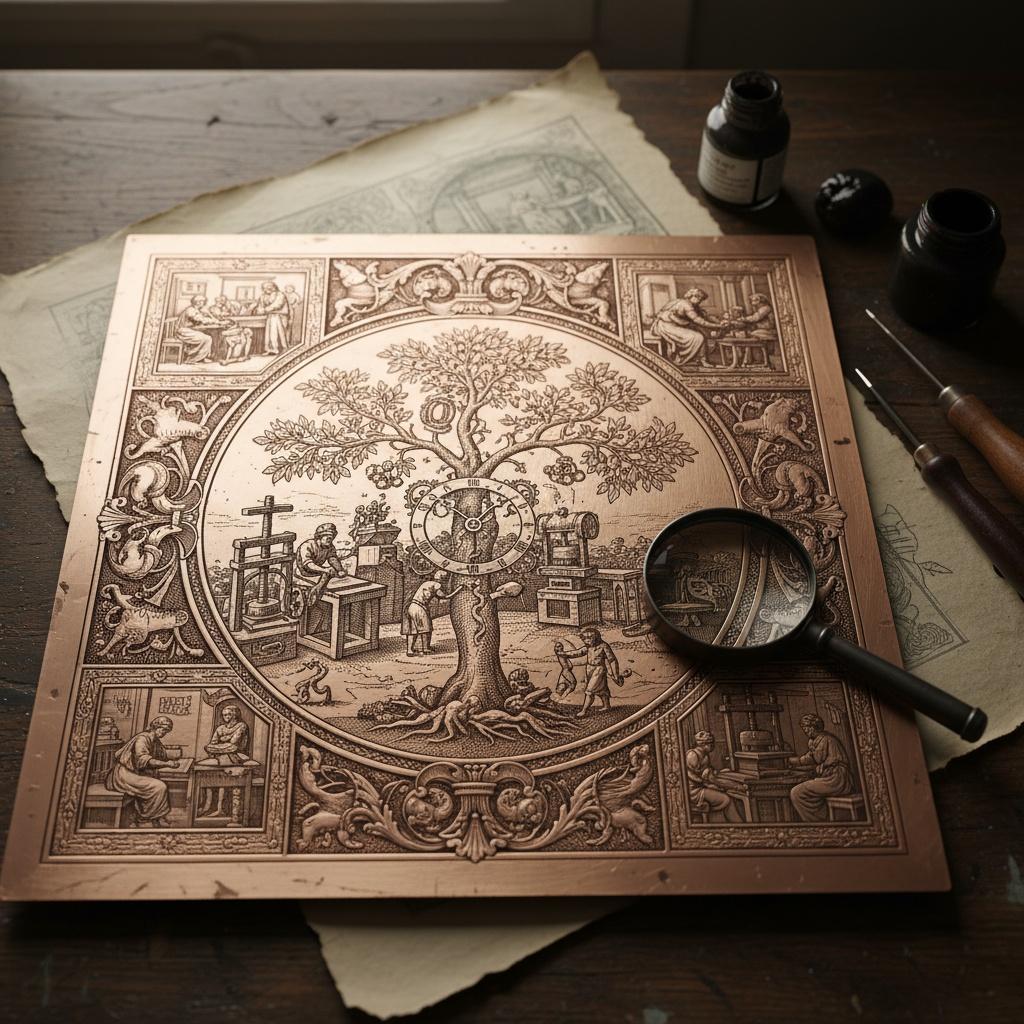
To step into the world of printmaking is to enter a realm where chemistry meets artistry, a place where the permanence of metal meets the fluidity of thought. At its heart lies the intaglio tradition, a sophisticated method of printing where the image is incised into a surface, typically a copper or zinc plate. Unlike relief printing, such as woodcuts, where the raised portions hold the ink, intaglio relies on the recessed grooves to capture the medium. This fundamental distinction allows for an unparalleled delicacy of line and a profound depth of tone that has captivated collectors for centuries.
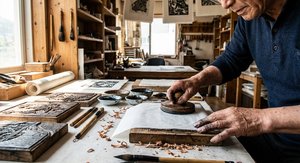
The process begins with the preparation of the plate, a meticulous ritual of polishing and degreasting. The artist then applies a ground—a thin, acid-resistant layer of wax or resin. With a needle-like tool, the artist draws upon this surface, not by carving into the metal itself, but by gently exposing it. This act of drawing is remarkably liberating; because the tool glides through the soft ground rather than resisting hard wood or stone, the artist can achieve a calligraphic freedom reminiscent of sketching on paper. It is within this delicate dance between resistance and release that the soul of an etching begins to emerge.
As the plate is prepared, the anticipation builds. The artist knows that every stroke, no matter how faint, holds the potential for a lasting mark. This stage is one of pure intention, where the initial vision is translated into a map of lines that will soon be etched into eternity through the transformative power of acid.
The Alchemy of Acid: How Lines are Carved into Metal
Once the artist has completed their drawing upon the ground, the plate undergoes its most dramatic transformation: the bite. This stage is nothing short of alchemical. The plate is submerged in a bath of acid, often nitric acid or ferric chloride, which aggressively seeks out the exposed metal. Where the needle has stripped away the protective wax, the acid begins to eat into the copper, creating microscopic valleys and trenches.
The true mastery of etching lies in the control of this corrosive element. An artist may remove the plate from the bath after only a few minutes to achieve pale, silvery lines, or leave it submerged for much longer to produce deep, dark, and commanding grooves. This technique, known as multiple biting, allows for a complex hierarchy of tones within a single composition. By reapplying the ground and re-submerging the plate in stages, the printmaker can build a landscape of varying intensities, creating a sense of atmospheric perspective that feels almost three-dimensional.
This interplay between the artist's hand and the chemical reaction creates a tension unique to the medium. There is an element of controlled chance, a dialogue with the acid that requires both technical precision and a willingness to embrace the unpredictable. When the plate is finally cleaned of its ground, it reveals a complex topography of etched paths, ready to hold the ink that will eventually bring the image to life on paper.
Mastering Texture: The Interative of Light and Shadow
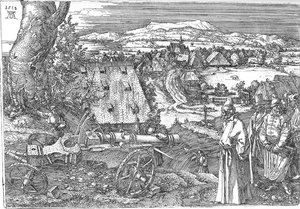
The true brilliance of an etching lies not merely in its lines, but in its ability to manipulate light and shadow to create texture and atmosphere. Through the strategic use of cross-hatching, stippling, and varying line weights, a printmaker can simulate the roughness of stone, the softness of clouds, or the shimmering reflection of water. This is where the artist moves beyond mere representation into the realm of pure sensation.
Consider the way light interacts with a densely worked area of an etching. In regions where lines are tightly packed and overlapping, the ink accumulates in thick, velvety layers, creating deep blacks that absorb light and provide a sense of weight and shadow. Conversely, areas left relatively untouched by the acid allow the white of the paper to shine through, acting as highlights that suggest brilliance or ethereal glow. This rhythmic alternation between darkness and luminosity is what gives an etching its "breathing" quality, allowing the viewer's eye to wander through a landscape of shifting textures.
Furthermore, advanced techniques such as aquatint can be employed to introduce tonal washes, much like watercolor. By dusting the plate with fine resin particles before biting, the artist creates a pitted surface that holds ink in a way that produces soft, grainy gradients. This ability to master both the sharp, decisive line and the soft, atmospheric wash is what allows printmakers to capture the fleeting nuances of nature, turning a flat piece of paper into a window onto a textured, living world.
From Romanticism to Modernity: Iconic Masters of the Etched Line
The history of etching is a lineage of visionaries who pushed the boundaries of what a printed line could achieve. In the Romantic era, masters like Paul Gustave Doré revolutionized the medium with their theatrical compositions and dramatic use of light. His works, such as The Agony In The Garden, utilize deep, biting etches to create a sense of monumental scale and emotional intensity, establishing him as a titan of the medium.
As the centuries progressed, the focus shifted toward more nuanced explorations of nature and atmosphere. Artists like Karl Schrag brought an evocative, light-drenched quality to their etchings, using the medium to explore the subtle transitions of landscape and sky. In the realm of Impressionism, even Camille Pissarro utilized the print medium to capture the dynamic textures of rural life, as seen in works like The Haymaker, where grayscale textures evoke the very essence of labor and earth.
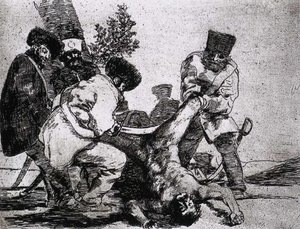
Moving into the modern era, the technical boundaries continued to expand. Artists such as Mauricio Lasansky brought a powerful, expressive energy to intaglio, using the medium to tackle profound social and political themes with raw, visceral lines. Meanwhile, British printmakers like Anthony Gross demonstrated how the etched line could be used to bridge the gap between traditional landscape and modernist abstraction. Each of these masters contributed to a shared language of texture and tone, ensuring that etching remained a vital, evolving force in the history of art.
Preserving the Impression: The Longevity and Value of Fine Art Prints
For the discerning collector, an etching is more than just an image; it is a physical artifact of a moment in time, preserved through a rigorous technical process. Because the ink is pressed deep into the fibers of high-quality, acid-free paper, the resulting image possesses a tactile permanence that flat prints cannot replicate. The depth of the ink and the subtle indentation left by the plate—known as the plate mark—serve as hallmarks of authenticity and craftsmanship.
The value of an etching is intrinsically linked to its technical complexity and its place within art history. A print that demonstrates masterful control over acid biting, complex cross-hatching, and a sophisticated range of tonal values is a testament to the artist's skill and is highly sought after by museums and private collectors alike. Furthermore, because etchings are often produced in limited editions, they possess an inherent scarcity that contributes to their long-term investment potential.
To ensure these treasures endure for generations, proper preservation is essential. Protecting works from excessive light, humidity, and acidic mounting materials is crucial for maintaining the vibrancy of the blacks and the integrity of the paper. When cared for with reverence, these masterworks continue to offer a profound connection to the past, allowing the textures and lines of the masters to remain as vivid today as they were when the acid first bit into the copper.
At ArtsDot.com, we celebrate this enduring legacy of craftsmanship. Whether you are seeking to acquire a museum-quality reproduction of a historical masterpiece or looking to commission a custom work that captures your own unique vision, our commitment to academic excellence and technical precision ensures that every piece we offer honors the profound tradition of the masters.