
The Renaissance Embrace of 'Otium': A Philosophical Foundation
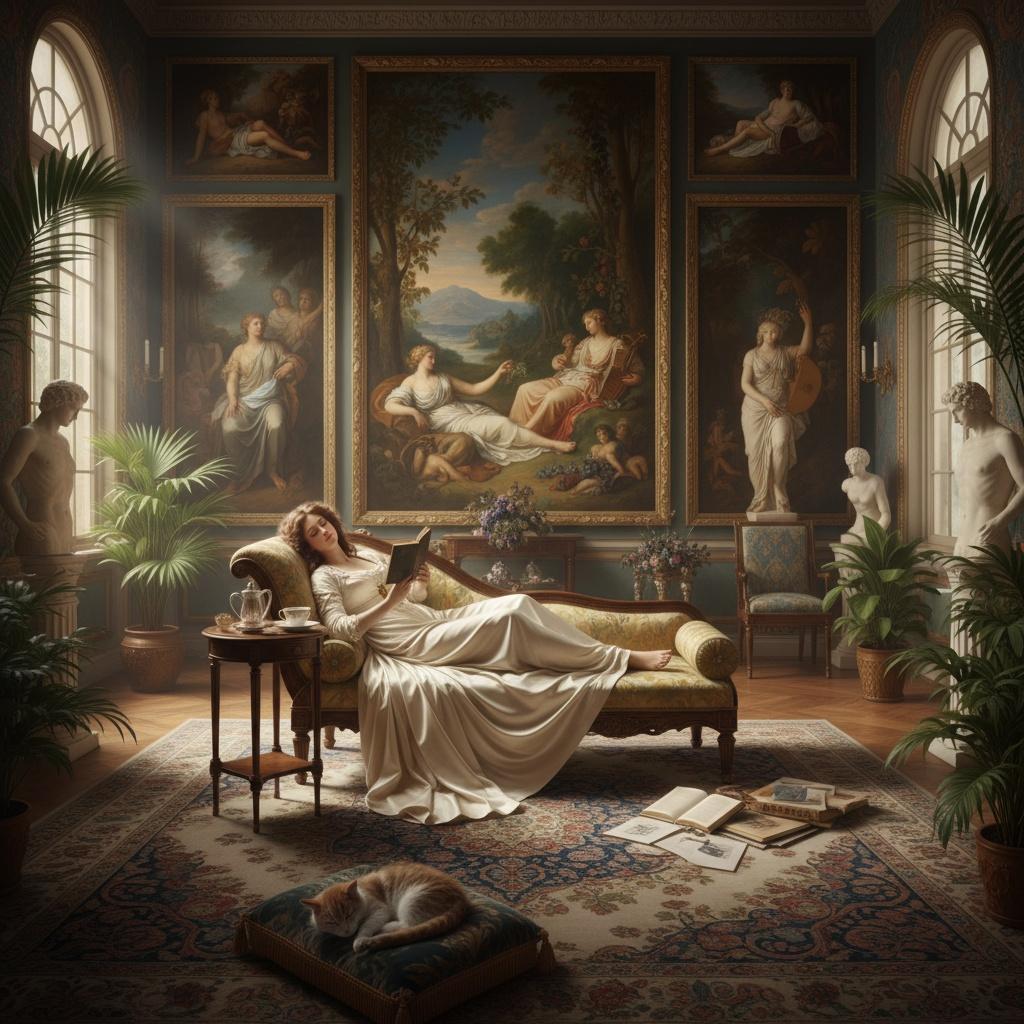
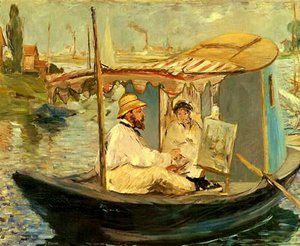
The concept of leisure, far from being a modern invention, has deep roots in Western thought, arguably blossoming most fully during the Renaissance. However, it wasn’t simply about indolence; rather, it was understood as otium – a cultivated state of purposeful inactivity, distinct from negotium, or burdensome work. This distinction, inherited from classical Roman philosophy, positioned leisure not as an escape *from* life but as a necessary condition for a higher existence. Humanists like Petrarch championed the value of scholarly pursuits, contemplation, and artistic creation undertaken for their own sake, believing these activities brought one closer to divine understanding. Paintings of this era, while often depicting religious or mythological scenes, subtly reflect this shift in values. Consider the serene landscapes that began to appear as backdrops – not merely decorative elements, but invitations to a contemplative space, mirroring the inner world of the educated elite. The patronage of wealthy families like the Medici wasn’t solely about commissioning grand displays of power; it was an investment in intellectual and aesthetic pursuits, fostering an environment where otium could flourish.
From Rococo Frivolity to Neoclassical Restraint: Shifting Ideals of Leisure
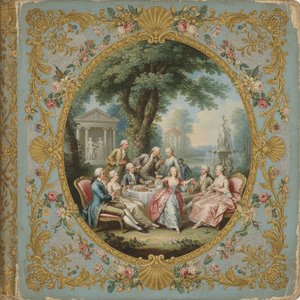
The 18th century witnessed a dramatic oscillation in the representation of leisure. The Rococo style, with its pastel palettes, playful subject matter, and emphasis on aristocratic pleasures, epitomized a world devoted to refined enjoyment. Paintings by Fragonard and Boucher overflowed with scenes of amorous encounters, idyllic gardens, and elaborate fêtes galantes – celebrations designed purely for aesthetic delight. These works weren’t necessarily profound statements about the human condition; they were expressions of a privileged class indulging in carefree pursuits. However, this very indulgence provoked a reaction. As Enlightenment ideals gained traction, a growing sense of moral responsibility began to challenge the perceived superficiality of Rococo society. Neoclassicism emerged as a direct response, drawing inspiration from the civic virtue and stoic heroism of ancient Greece and Rome. Artists like David shifted their focus to scenes of historical sacrifice and patriotic duty, portraying leisure not as frivolous amusement but as a time for intellectual growth and responsible citizenship. The depiction of figures engaged in reading or philosophical debate replaced those lost in romantic dalliance, reflecting a new emphasis on reason and public service.
The Rise of the Bourgeoisie and Scenes of Domestic Tranquility in 19th-Century Art
The 19th century brought about profound social changes, most notably the rise of the bourgeoisie. As wealth shifted from aristocratic landowners to a new class of merchants and professionals, so too did the representation of leisure. The grand salons and opulent gardens of the Rococo gave way to more intimate scenes of domestic life. Artists began to depict families enjoying quiet moments together – reading in the parlor, playing musical instruments, or simply sharing a meal. These paintings weren’t about ostentatious displays of wealth; they were about celebrating the virtues of family, hard work, and modest comfort. The Realist movement further grounded these depictions in everyday life, portraying scenes of leisure as experienced by ordinary people – picnics along the Seine, visits to cafes, or afternoons spent in parks. Gustave Courbet’s works, for example, offered a stark contrast to the idealized representations of earlier periods, depicting leisure activities with unflinching honesty and social commentary.
Impressionism's Fleeting Moments: Capturing the Essence of Modern Relaxation
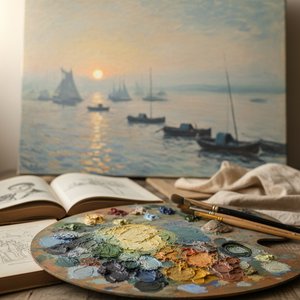 Impressionism: A Revolution of Light & Color That Changed Art History
Explore the revolutionary world of Impressionism! Discover its history, key artists like Monet & Renoir, defining techniques, and lasting impact on modern art. A comprehensive guide for art lovers.
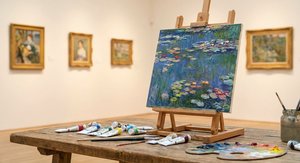
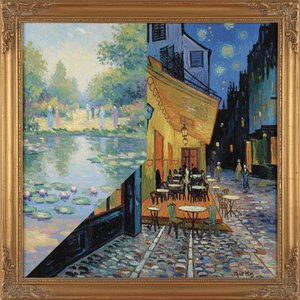
Perhaps no artistic movement captured the ephemeral nature of leisure quite like Impressionism. Rejecting the academic conventions of precise detail and historical narrative, artists like Monet, Renoir, and Degas sought to capture the fleeting impressions of light and color that defined modern life. Their paintings weren’t about telling stories; they were about conveying sensations – the warmth of sunlight on skin, the gentle breeze rustling through leaves, the vibrant energy of a bustling café. Scenes of leisure became central to their work: boating parties, picnics in the countryside, dancers at the Moulin de la Galère. Monet’s series of paintings depicting haystacks and water lilies, for instance, aren't about the subjects themselves but about the changing effects of light and atmosphere over time. Édouard Manet’s “The Spanish Singer” (also known as Guitarrero) exemplifies this shift, offering a strikingly realistic portrayal of a musician at leisure, capturing a moment of quiet contemplation rather than grand spectacle.
Beyond the Canvas: The Social Commentary Embedded within Depictions of Idleness
 Beyond Light & Color: Impressionism vs. Post-Impressionism for the Discerning Collector
Explore the nuances of Impressionism & Post-Impressionism with . Expert insights for collectors on style, investment, and acquiring museum-quality reproductions.
While often presented as idyllic or purely aesthetic pursuits, depictions of leisure have always been imbued with social commentary. The very act of portraying someone at leisure implies a certain level of privilege and freedom – freedoms not universally shared. Throughout history, artists have used these scenes to critique societal inequalities, explore themes of class conflict, and question the nature of work and consumption. Even seemingly innocent paintings can be read as subtle statements about power dynamics and social norms. The popularity of genre painting in the 19th century, for example, coincided with a growing awareness of the plight of the working class, prompting artists to depict scenes of leisure alongside images of poverty and hardship. The contrast served to highlight the disparities within society and spark debate about social justice.
Collecting Leisure: Investing in Representations of a Timeless Pursuit
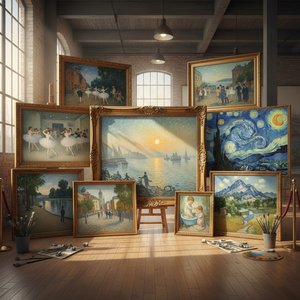
Today, collecting artworks that depict leisure offers more than just aesthetic pleasure; it’s an investment in cultural history and artistic excellence. From Renaissance portraits celebrating intellectual pursuits to Impressionist landscapes capturing the beauty of modern life, these paintings provide valuable insights into the values, beliefs, and aspirations of different eras. Whether you're drawn to the refined elegance of Rococo society or the vibrant energy of Impressionism, there’s a wealth of options available to suit every taste and budget. At ArtsDot, we specialize in handmade oil paintings and museum-quality reproductions, allowing you to bring these timeless masterpieces into your own home. Explore our extensive collection and discover the perfect artwork to capture the essence of leisure – a pursuit that has captivated artists and collectors for centuries.