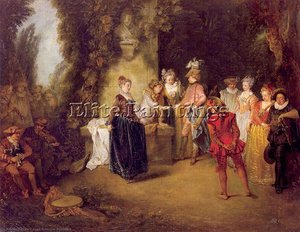
The Rococo Genesis: From Baroque Opulence to Intimate Refinement
The early 18th century witnessed a subtle yet profound shift in the artistic landscape, a departure from the grandeur and dramatic intensity of the Baroque era. This wasn’t a revolution, but rather an evolution – a softening of edges, a lightening of palettes, and a turn towards intimacy that would define the Rococo style. Emerging initially within the opulent court circles of Louis XV in France, Rococo represented more than just a change in aesthetic preference; it reflected a changing worldview. The rigid formality of his predecessor, Louis XIV, gave way to a desire for pleasure, elegance, and a celebration of life’s fleeting moments. Where Baroque art often served as a testament to power – religious or monarchical – Rococo embraced the personal, the playful, and the exquisitely beautiful. This wasn't about diminishing artistry; it was about redirecting its focus. The monumental scale of Versailles began to feel less compelling as members of the elite sought refuge in smaller, more private salons, spaces designed for conversation, music, and refined enjoyment.
The very term “Rococo” hints at this new sensibility, derived from the French *rocaille*, referring to shellwork and pebble ornamentation. This fascination with natural forms – shells, flowers, foliage – became a defining characteristic, manifesting in intricate carvings, delicate stucco work, and the swirling curves that would come to symbolize the style. It’s important to understand this as a reaction; a deliberate move away from the imposing symmetry and weighty themes of the Baroque. Rococo wasn't simply *less* than Baroque; it was fundamentally different in its aims and emotional resonance.
Defining Elegance: Key Characteristics of Rococo Art & Design
Rococo, less commonly Roccoco ( rə-KOH-koh, US also ROH-kə-KOH; French: [ʁɔkɔko] or [ʁokoko] ), also known as Late Baroque, is an exceptionally ornamental and dramatic style of architecture, art, and decoration which combines asymmetry, scrolling cu...
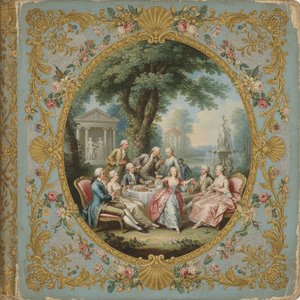
To truly appreciate Rococo, one must understand its core tenets. Lightness and grace are paramount. Pastel colors – soft blues, creams, gentle pinks, and golds – dominate the palette, creating an atmosphere of airy sophistication. Asymmetry, often eschewed in previous styles, became a deliberate choice, mirroring the natural world’s organic forms and lending a sense of movement and spontaneity to compositions. Ornamentation is abundant, but never overwhelming; it's a delicate layering of detail that enhances rather than obscures. Gilding plays a crucial role, adding a touch of opulence without sacrificing the overall lightness.
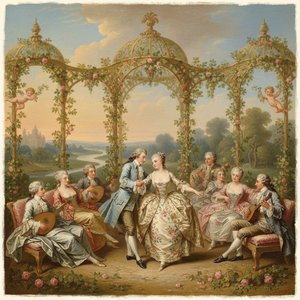
Beyond color and form, Rococo art is characterized by its playful themes. Love, courtship, mythology, and idyllic pastoral scenes are frequent subjects, often imbued with a sense of flirtation and lightheartedness. Trompe-l'œil frescoes create illusions of depth and movement, blurring the boundaries between reality and representation. This integration of arts – painting, sculpture, architecture, and decorative arts – is another hallmark of the style. Rococo interiors weren’t simply rooms; they were immersive environments designed to delight the senses.
Portraits of Aristocracy: Capturing Status, Beauty, and the Pursuit of Pleasure
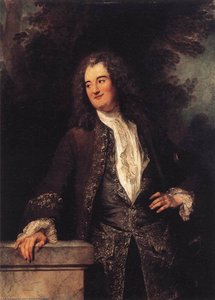
Portraiture flourished during the Rococo period, but it wasn't merely about capturing likenesses. These portraits served as statements of status, wealth, and refined taste. Artists like Joseph Siffred Duplessis masterfully captured the elegance and composure of their aristocratic sitters, often depicting them in relaxed poses within opulent settings. Christophe Gabriel Allegrain’s portrait exemplifies this – a subtle interplay of light and shadow that reveals not just physical appearance but also personality and social standing. The clothing itself became an integral part of the composition, showcasing luxurious fabrics, intricate lace, and elaborate embroidery.
Jean-Baptiste Perronneau's *Portrait of Jean-Baptiste Oudry* (1753) is a particularly compelling example, demonstrating the Rococo emphasis on intellect and refinement. The meticulous pastel technique captures not only Oudry’s physical features but also his thoughtful expression, hinting at the artist’s inner life. These weren’t simply portraits; they were carefully constructed narratives about identity and social position. The gaze of the sitter, the setting, even the smallest details of their attire – all contributed to a larger message about power, taste, and belonging.
Beyond France: Regional Variations in Rococo Style – Germany, Italy, and England
While Rococo originated in France, its influence quickly spread throughout Europe, adapting to local sensibilities and artistic traditions. In Germany and Austria, the style took on a more theatrical quality, particularly within ecclesiastical architecture. Designers like Dominikus Zimmermann incorporated gilded stucco, soft frescoes, and asymmetrical layouts into churches such as the Wieskirche in Bavaria, creating visually stunning spaces that combined spiritual reverence with artistic exuberance. This demonstrates Rococo’s versatility – its ability to adapt to different contexts while retaining its core aesthetic principles.
In Italy, Venetian customs blended with Rococo influences to create elaborate palazzi and colorful interiors. Giorgio Domenico Duprà became renowned for his elegant court paintings of European nobility, including Marie Antoinette and the House of Savoy. English Rococo, however, tended to be more restrained, focusing primarily on interior design and decorative arts. Furniture craftsmen created delicate pieces with flowing lines and floral patterns, echoing Rococo’s charm but maintaining a distinctly English sensibility.
Masters of Grace: Exploring the Works of Watteau, Boucher, Fragonard & More
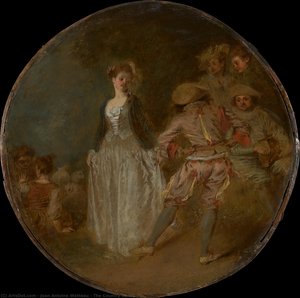
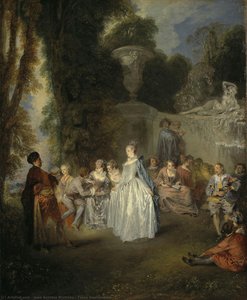
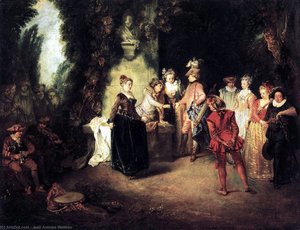
The legacy of Rococo is inextricably linked to its most celebrated artists. Jean-Antoine Watteau is often considered the pioneer of the style, renowned for his *fêtes galantes* – depictions of elegant outdoor gatherings that captured the romantic essence of aristocratic life. His masterpiece, *The Embarkation for Cythera* (1717), perfectly embodies this sensibility, with its delicate brushstrokes and evocative atmosphere. François Boucher, a favorite of Madame de Pompadour, created paintings brimming with lighthearted sensuality, often featuring mythological lovers in idyllic settings.
Jean-Honoré Fragonard’s *The Swing* (1767) remains perhaps the most iconic image of Rococo – a playful and provocative scene that embodies movement, excess, and flirtation. These artists weren't simply depicting beauty; they were exploring themes of love, pleasure, and the pursuit of happiness. Their work reflected the values of their time, capturing the aristocratic desire for escapism and refined enjoyment. The delicate compositions, pastel palettes, and intricate details continue to captivate audiences today, offering a glimpse into a world of elegance, grace, and enduring beauty. At ArtsDot.com, we are proud to offer high-quality reproductions of these masterpieces, allowing you to bring the spirit of Rococo into your own home.