
The Historical Roots of Commissioned Portraiture: Power, Status, and Remembrance
In art, a commission is the act of requesting the creation of a piece, often on behalf of another. Artwork may be commissioned by private individuals, by the government, or businesses. Commissions often resemble endorsement or sponsorship. In classic...
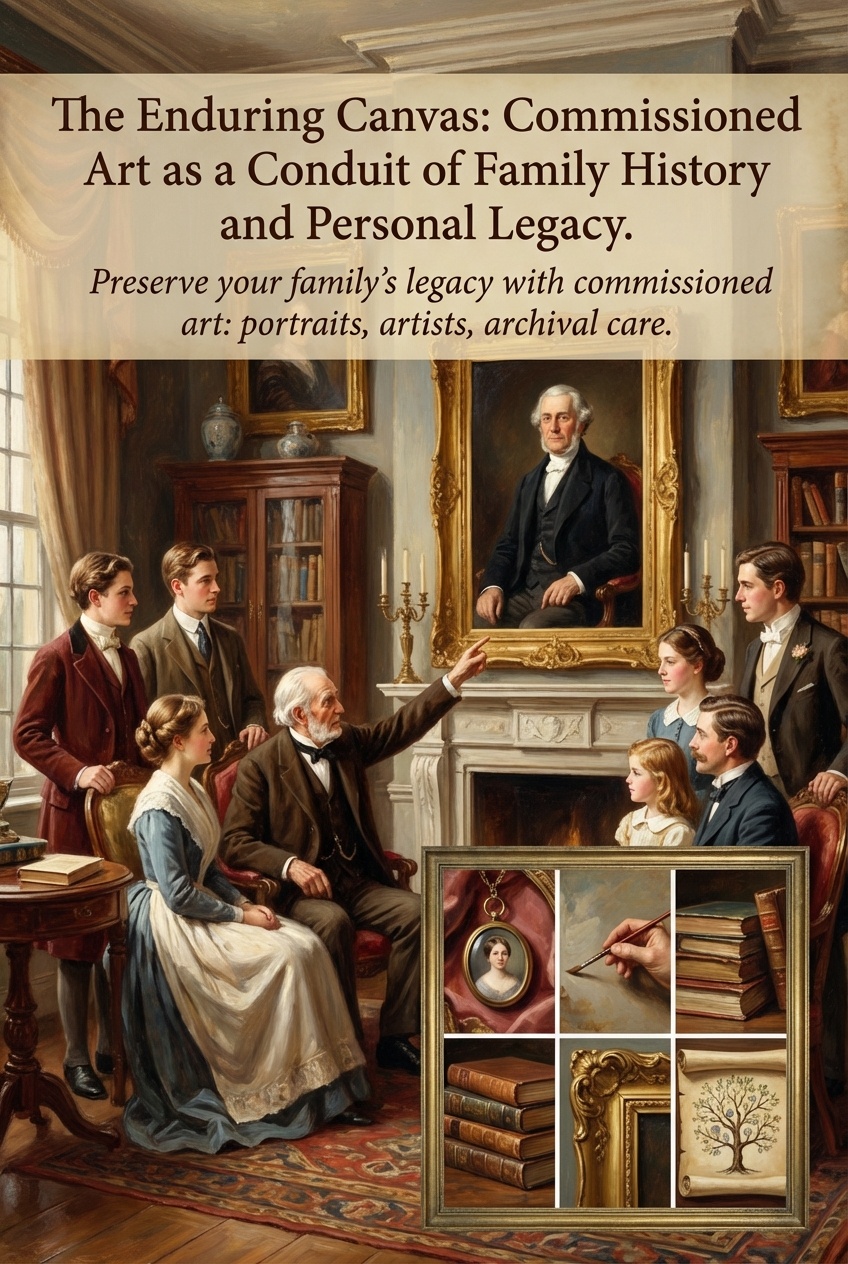
From the imposing grandeur of Roman emperors immortalized in marble busts to the intimate depictions of Renaissance nobility, the act of commissioning art has long been inextricably linked with power, status, and the desire for lasting remembrance. In antiquity, a portrait wasn’t merely a likeness; it was an assertion of authority, a tangible manifestation of lineage and dominion. The colossal scale of imperial sculptures served as potent symbols, broadcasting strength and control across vast empires. As societies evolved, so too did the motivations behind commissioning artwork. During the medieval period, religious institutions became significant patrons, funding elaborate altarpieces and devotional paintings to glorify God and secure spiritual favor. The shift towards humanism in the Renaissance witnessed a renewed focus on individual identity, fueling a demand for portraits that celebrated personal achievement and intellectual prowess. Think of the Medici family’s patronage of artists like Botticelli and Leonardo da Vinci – these weren't simply aesthetic choices; they were strategic investments in their own legacy, carefully curated displays of wealth, refinement, and political influence.
The 17th and 18th centuries saw portraiture flourish as a means for the aristocracy to solidify their social standing. Artists like Peter Paul Rubens and Jean-Sébastien Rouillard became highly sought after, capturing not just physical appearances but also the character, ambition, and societal roles of their sitters. These portraits often served as diplomatic tools, exchanged between royal courts to forge alliances and demonstrate prestige. The very act of commissioning an artist signaled affluence and access – a privilege reserved for the elite. Beyond the grand halls of power, however, portraiture also began to reflect a growing interest in domestic life and familial bonds, paving the way for the more intimate family portraits that would become increasingly popular in subsequent centuries.
Beyond Likeness: Capturing Personality and Essence in Custom Portraits
While technical skill is paramount – the ability to accurately render form, light, and shadow – a truly exceptional portrait transcends mere physical resemblance. It delves into the *soul* of the sitter, capturing their personality, intellect, and emotional depth. This requires more than just observation; it demands empathy, intuition, and a profound understanding of human psychology. Artists throughout history have employed various techniques to achieve this elusive quality. Rembrandt’s masterful use of chiaroscuro – the dramatic interplay of light and dark – not only created visual impact but also revealed the inner turmoil and wisdom of his subjects. Similarly, Gainsborough's portraits often conveyed a sense of aristocratic grace and effortless elegance through subtle gestures and carefully chosen poses.
The success of a portrait lies in the collaborative relationship between artist and sitter. A skilled painter will engage in conversation, seeking to understand their subject’s values, aspirations, and experiences. This dialogue informs every brushstroke, shaping not just the physical representation but also the narrative conveyed within the artwork. Consider James Archer's 'Portrait of Childs Frick as a Child,' where innocence and familial warmth radiate from the canvas – a testament to the artist’s ability to capture a fleeting moment of childhood joy. The most compelling portraits are those that tell a story, offering glimpses into the lives and personalities of those depicted.
Family Portraits as Vessels of Heritage: Documenting Generations for Posterity
 Wikipedia: Cultural heritage
Cultural heritage is the tangible and intangible legacy of a group or society that is inherited from past generations. Not all legacies of past generations are "heritage"; rather, heritage is a product of selection by society. Cultural heritage inclu...
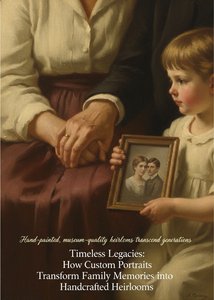
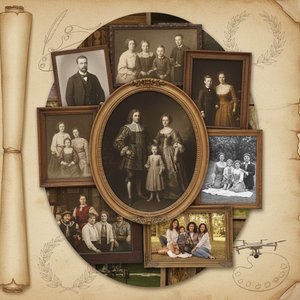
As portraiture evolved beyond individual representation, it embraced the concept of familial unity, becoming a powerful means of documenting generations and preserving family history. The 19th century witnessed a surge in demand for group portraits, reflecting a growing emphasis on domestic values and ancestral pride. Winslow Homer’s 'The Gage Family' exemplifies this trend, showcasing three generations united by shared experiences and enduring bonds. These paintings weren’t simply records of appearance; they were carefully constructed narratives that celebrated family identity and social standing.
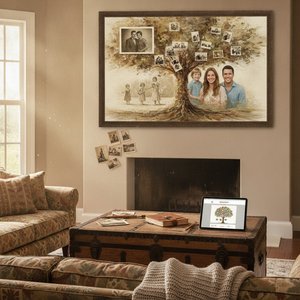
Lavinia Fontana’s ‘Family Portrait’ (1598), offers a poignant example of the symbolic weight attached to these compositions. The arrangement of figures, their attire, and even their gestures conveyed messages about lineage, wealth, and marital status. The inclusion of children symbolized continuity and the perpetuation of the family name. Today, commissioning a family portrait remains a deeply meaningful act – a way to honor loved ones, celebrate milestones, and create a lasting heirloom for future generations. These artworks serve as tangible links to the past, reminding us of our roots and the stories that have shaped who we are.
Selecting the Right Artist: Style, Technique, and Collaborative Vision
Choosing an artist is arguably the most crucial step in the commissioning process. It’s essential to find someone whose style resonates with your vision and who possesses the technical skill to bring your ideas to life. Consider the overall aesthetic you desire – do you prefer a classical realism, a more impressionistic approach, or perhaps a contemporary interpretation? Researching artists' portfolios is paramount; pay attention not only to their technical proficiency but also to their ability to capture personality and emotion.
Beyond style, it’s important to assess the artist’s technique. Are they proficient in oil painting, watercolor, or another medium? Do they have experience with portraiture specifically? Equally important is finding an artist with whom you feel comfortable communicating. A successful commission requires a collaborative partnership – a willingness to share ideas, provide feedback, and trust the artist’s expertise. Artists like Martin Cregan, known for his distinguished portraits of Irish society, demonstrate the importance of both technical skill and artistic sensitivity.
The Commissioning Process Demystified: From Initial Consultation to Final Reveal
The commissioning process typically begins with an initial consultation – a conversation where you discuss your vision, share reference photos, and outline your expectations. This is also an opportunity to learn about the artist’s approach, their timeline, and their pricing structure. Once you've agreed on the scope of the project, the artist will often create preliminary sketches or digital mockups for your approval. This allows you to refine the composition, pose, and overall aesthetic before the painting begins.
The actual painting process can take several weeks or even months, depending on the size and complexity of the artwork. Throughout this period, it’s common to receive updates from the artist – progress photos, sketches, or even small sections of the painting for your review. Once the painting is complete, you'll have the opportunity to provide final feedback before it’s framed and delivered. A reputable artist will be open to making minor adjustments to ensure your complete satisfaction.
Preserving Your Legacy: Archival Quality Materials and Long-Term Care of Commissioned Art
Investing in a commissioned portrait is an investment in posterity. To ensure that your artwork endures for generations, it’s crucial to choose materials of the highest quality. Oil paints should be archival grade, with pigments that are resistant to fading and discoloration. The canvas or panel should be made from 100% cotton or linen – durable supports that will withstand the test of time. Framing is equally important; opt for acid-free mats and UV-protective glass to protect the artwork from environmental damage.
Proper care and maintenance are essential for preserving your portrait’s beauty over the long term. Avoid exposing it to direct sunlight, extreme temperatures, or humidity. Regular dusting with a soft brush will remove dirt and debris. Consider having the painting professionally cleaned and varnished every few decades to restore its original luster. By taking these precautions, you can ensure that your commissioned artwork remains a cherished heirloom for years to come.
At ArtsDot.com, we specialize in creating museum-quality reproductions and custom portraits tailored to your unique vision. Our skilled artists are dedicated to preserving the legacy of fine art, offering expert guidance and personalized service every step of the way. Whether you’re seeking a timeless family portrait or a faithful reproduction of a beloved masterpiece, we invite you to explore our collection and discover the enduring power of commissioned art.