The Historical Tapestry: Defining Art Movements & Their Significance
An art movement is a tendency or style in art with a specific art philosophy or goal, followed by a group of artists during a specific period of time, (usually a few months, years or decades) or, at least, with the heyday of the movement defined with...
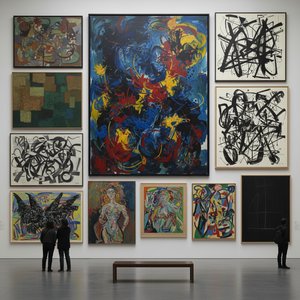
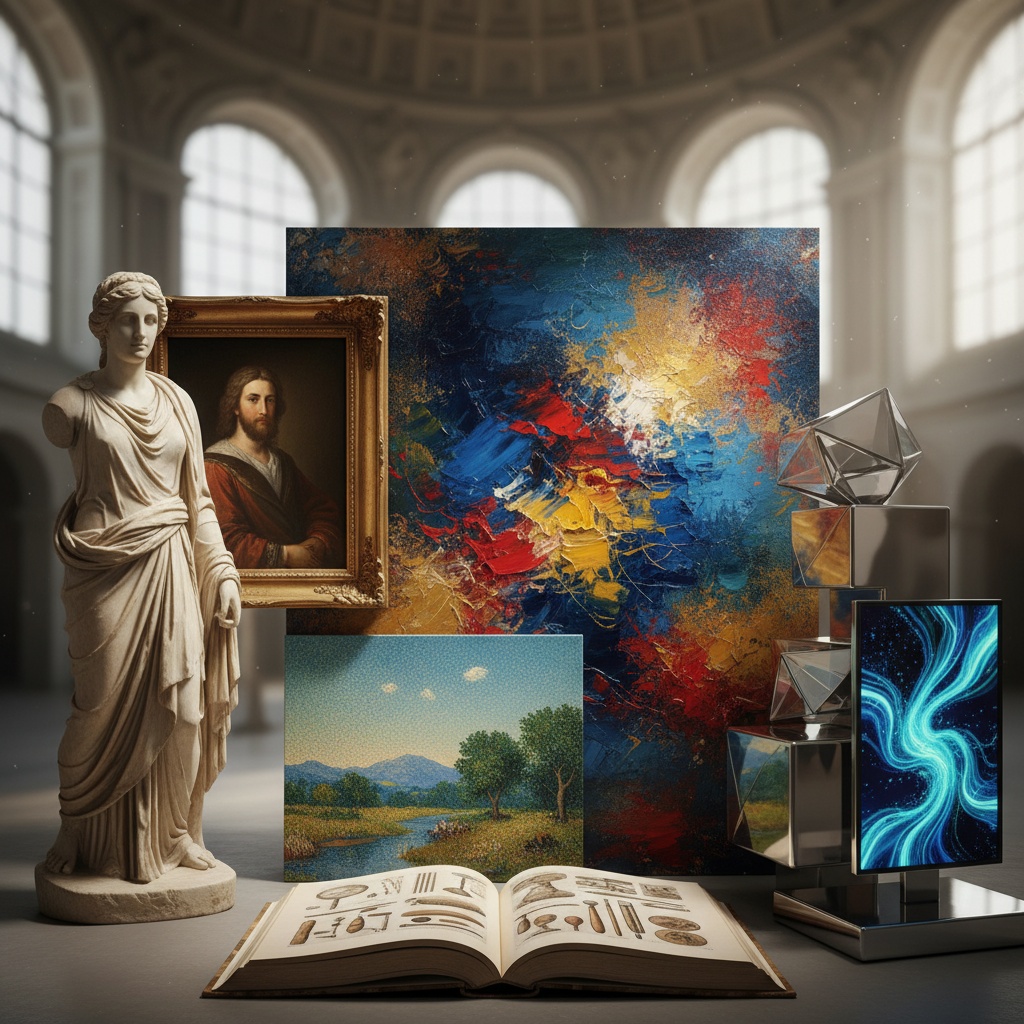
The story of art is not a linear progression, but rather a vibrant tapestry woven with threads of innovation, rebellion, and profound cultural shifts. To understand the enduring power of a painting, sculpture, or photograph is to grasp the context from which it emerged – the prevailing philosophies, societal pressures, and artistic dialogues that shaped its creation. An art movement, at its core, represents a collective impulse among artists to challenge established norms, explore new modes of expression, and articulate a shared vision. These movements aren’t simply stylistic groupings; they are intellectual ecosystems where ideas cross-pollinate, techniques evolve, and the very definition of art is constantly renegotiated. From the Renaissance's humanist focus to the radical experimentation of the 20th century, each movement builds upon its predecessors while simultaneously forging a new path. The late 19th century, in particular, witnessed an acceleration of these shifts, as artists increasingly questioned the traditional role of art as mere representation and sought instead to capture subjective experience and emotional truth.
From Realism to Impressionism: A Journey Through 19th-Century Transformations
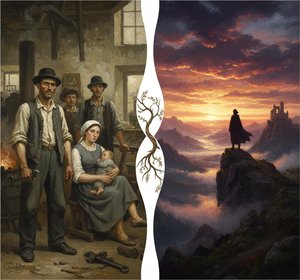
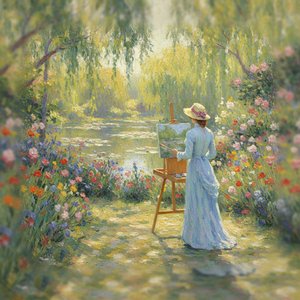
The mid-19th century saw a powerful reaction against Romantic idealism in the form of Realism. Artists like Gustave Courbet rejected idealized depictions of history and mythology, turning their attention instead to the everyday lives of ordinary people. This wasn’t merely about depicting subject matter; it was a deliberate attempt to confront social realities – the hardships of labor, the inequalities of society, and the unvarnished truth of human existence. However, even within Realism, seeds of change were being sown. Artists began to experiment with capturing fleeting moments of light and atmosphere, paving the way for Impressionism. Claude Monet, Edgar Degas, and Pierre-Auguste Renoir abandoned the meticulous detail of academic painting in favor of broken brushstrokes, vibrant color palettes, and a focus on *perception*. The Impressionists weren’t interested in recreating reality; they sought to capture their *impression* of it – the way light played across surfaces, the ephemeral quality of a particular moment. This shift was revolutionary, challenging not only artistic conventions but also the very notion of what constituted a finished artwork. Georges Seurat's pioneering Pointillism, exemplified in works like “A Peasant Boy Sitting in a Meadow,” further pushed these boundaries, demonstrating how color theory could be used to create luminous and dynamic compositions.
The Rise of Abstraction: Kandinsky, Malevich & the Pursuit of Pure Form
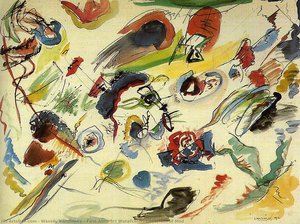
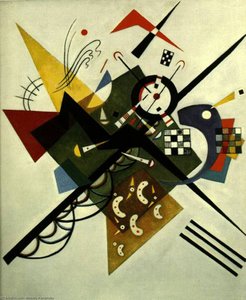
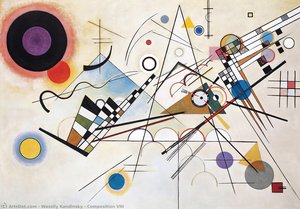
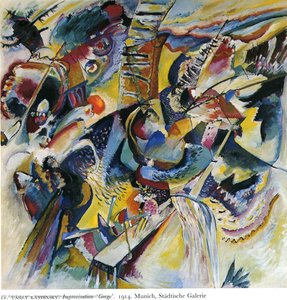
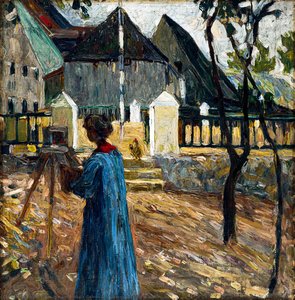
The early 20th century witnessed an even more radical departure from representational art with the emergence of Abstraction. Artists began to question whether art needed to depict anything at all. Wassily Kandinsky, often considered a pioneer of abstract art, believed that color and form could evoke emotions directly, independent of any recognizable subject matter. His paintings, like “A Mountain” (1909), are characterized by vibrant colors, dynamic compositions, and a spiritual intensity. Simultaneously, Kazimir Malevich, with his Suprematism, sought to reduce art to its most fundamental elements – geometric shapes and pure color. “The Gardener,” for example, embodies this pursuit of non-objective form, stripping away all representational references in favor of a purely abstract aesthetic. These artists weren’t simply rejecting representation; they were exploring the underlying principles of visual language itself—the power of line, shape, and color to communicate directly with the viewer's emotions and subconscious. This movement was deeply intertwined with philosophical inquiries into the nature of reality and the limits of perception.
Aesthetic Theory and the 'Art for Art's Sake' Philosophy
 Wikipedia: Aesthetic Theory
Aesthetic Theory (German: Ästhetische Theorie) is a book by the German philosopher Theodor Adorno, which was culled from drafts written between 1956 and 1969 and ultimately published posthumously in 1970. Although anchored by the philosophical study...
Underpinning much of this experimentation was a growing emphasis on aesthetic theory, particularly the concept of “art for art’s sake.” This philosophy, championed by figures like Oscar Wilde, challenged the Victorian notion that art should serve a moral or didactic purpose. Instead, it argued that art's value lay in its beauty and expressive qualities alone. The Aesthetic Movement, flourishing in Britain during the mid-19th century, embraced this idea wholeheartedly, prioritizing taste, sensuality, and self-expression over restrictive conformity. Artists like James McNeill Whistler sought to create works that appealed directly to the senses, focusing on tonal harmonies and evocative compositions rather than narrative content. This rejection of traditional obligations liberated artists to explore new forms and techniques, paving the way for the radical experimentation of the 20th century. The movement’s emphasis on craftsmanship and refined aesthetics also extended beyond painting, influencing music, literature, and interior design.
Color as Emotion: Exploring the Psychological Impact in Painting
Throughout art history, color has been more than just a visual element; it's a powerful tool for evoking emotions and conveying meaning. From the rich reds of Renaissance religious paintings to the vibrant blues of Impressionist landscapes, artists have intuitively understood the psychological impact of different hues. The Emotional Palette, as explored in numerous art historical studies, reveals how master artists strategically employed color to create specific moods and atmospheres. For example, warm colors like red and orange often convey energy, passion, and excitement, while cool colors like blue and green evoke calmness, serenity, and introspection. Kandinsky’s theories on the relationship between color and sound further illuminate this connection, suggesting that certain colors resonate with particular emotions in a way analogous to musical notes. Understanding these nuances allows us to appreciate not only the technical skill of an artist but also their ability to communicate complex emotional states through the subtle language of color.
Collecting with Vision: Building a Legacy Through Fine Art Investment
For the discerning collector, acquiring fine art is more than just purchasing an object; it’s investing in a legacy—a tangible connection to history, culture, and human creativity. Building a collection requires vision, knowledge, and a deep appreciation for artistic merit. While market trends can fluctuate, works by established masters – those who have demonstrably shaped the course of art history – consistently retain their value. However, discovering emerging artists with unique voices and promising potential is equally rewarding. At ArtsDot.com, we offer access to museum-quality reproductions of masterpieces from across the ages, allowing you to curate your own personal gallery and immerse yourself in the beauty and inspiration of fine art. Whether you’re drawn to the vibrant landscapes of Impressionism, the abstract forms of Kandinsky, or the social realism of Courbet, our collection provides a gateway to exploring the enduring power of artistic expression. We believe that art should be accessible to all, and we are committed to providing exceptional quality, personalized service, and expert guidance to help you build a collection that reflects your individual taste and passion.