The Genesis of Amorous Imagery: From Ancient Rituals to Classical Mythology
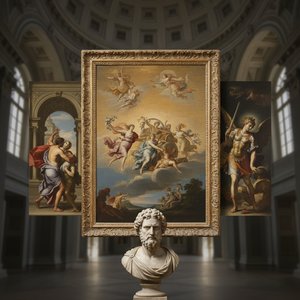
 The Enduring Echo of Antiquity: Classical Ideals in Art from Renaissance to Modernism
Explore the lasting impact of classical ideals on art from the Renaissance to Modernism. Discover key movements, iconic artists & find museum-quality reproductions at ArtsDot.
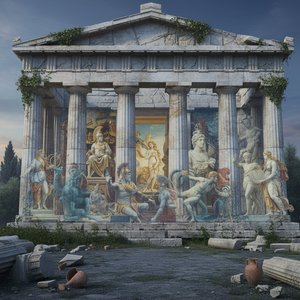
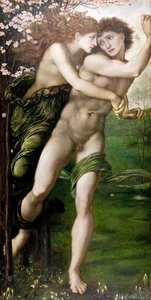
The human impulse to depict love is as old as art itself, predating even the written word. While pinpointing a definitive “beginning” proves elusive, we can trace its nascent forms in prehistoric cave paintings – though interpretations remain speculative, some scholars suggest representations of fertility and union hint at early reverence for procreation and partnership. However, it’s within the civilizations of ancient Egypt and Greece that love truly begins to emerge as a codified subject matter. Egyptian art frequently showcased scenes of domestic bliss and devotion, often intertwined with religious beliefs surrounding rebirth and eternal life. The goddess Hathor, embodying love, beauty, music, and joy, was central to these depictions, her presence signifying the sacredness of marital bonds. The Greeks, however, offered a more complex and nuanced portrayal. Their pantheon teemed with deities associated with various facets of love – Eros (passion), Philia (affectionate love), Agape (unconditional love) – each inspiring countless sculptures, vase paintings, and literary narratives. The myth of Aphrodite’s birth from sea foam encapsulates the very essence of idealized beauty and desire, a theme that would reverberate through centuries of artistic expression. These early representations weren't merely aesthetic exercises; they were integral to religious rituals, social customs, and the perpetuation of cultural values. They laid the groundwork for the symbolic language of love that artists would continue to refine and reinterpret.
Renaissance Reverie: Courtly Love, Patronage, and Artistic Innovation
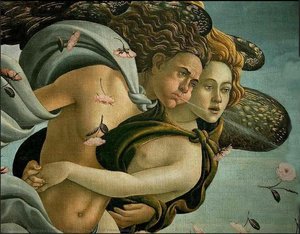
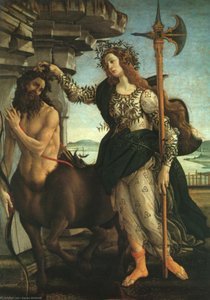
The Renaissance witnessed a profound revival of classical ideals, profoundly impacting the depiction of love in art. But it wasn’t simply a rehash of ancient themes; rather, it was a reimagining filtered through the lens of medieval courtly love – an elaborate code emphasizing chivalry, adoration, and often unattainable desire. This period saw the rise of powerful patrons who commissioned artworks not just for religious devotion but also to celebrate their own romantic entanglements or idealize notions of beauty and virtue. Artists like Botticelli, in his allegorical *Primavera*, captured the ethereal quality of idealized love, blending mythological figures with a distinctly Renaissance sensibility. The emphasis shifted towards humanism – celebrating earthly pleasures and individual emotion. Portraits became increasingly popular, not merely as representations of likeness but as vehicles for conveying personality, status, and romantic intent. The meticulous detail afforded by oil painting allowed artists to render fabrics, textures, and expressions with unprecedented realism, enhancing the emotional impact of their subjects. The Metropolitan Museum’s collection reveals a fascinating array of marriage chests, birth trays, and other objects commissioned specifically to commemorate these pivotal life events – tangible symbols of love's enduring power. The influence of classical antiquity is palpable in the compositions and figures, yet infused with a distinctly Renaissance grace and psychological depth.
Romanticism's Embrace: Emotion, Nature, and the Sublime Depiction of Passion
Romanticism in the visual arts, originating in the 1760s, marked a shift towards depicting wild landscapes and dramatic scenes, reflecting a departure from classical artistic norms. This movement emphasized the sublime beauty of nature, the intensity...
As the Enlightenment’s emphasis on reason began to wane, Romanticism emerged as a powerful counter-movement, prioritizing emotion, imagination, and individual experience. This shift profoundly altered the way love was depicted in art. No longer confined by classical restraint or courtly conventions, artists embraced dramatic scenes, wild landscapes, and intense psychological states. Caspar David Friedrich’s iconic works, such as *Wanderer above the Sea of Fog*, while not explicitly depicting romantic relationships, evoke a sense of longing, solitude, and the sublime power of nature – emotions often associated with love's complexities. Delacroix’s paintings, like *The Death of Sardanapalus*, explored more passionate and even destructive aspects of desire, challenging traditional notions of idealized romance. The Romantic era also saw a renewed interest in folklore, mythology, and national identity, inspiring artists to draw upon these sources for their subject matter. This period marked a departure from the polished surfaces and controlled compositions of earlier styles, favoring instead loose brushwork, vibrant colors, and an emphasis on atmosphere. The power of individual perspective became paramount, allowing artists to express a more subjective and emotionally charged response to the world around them.
Love in Portraiture: Capturing Identity, Status, and Intimacy Through the Ages
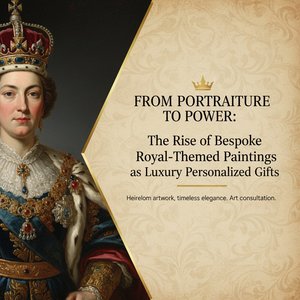 From Portraiture to Power: The Rise of Bespoke Royal-Themed Paintings as Luxury Personalized Gifts
Discover bespoke royal paintings – luxury personalized gifts crafted by skilled artists. Commission a unique heirloom artwork & elevate your space with timeless elegance. Expert art consultation available.
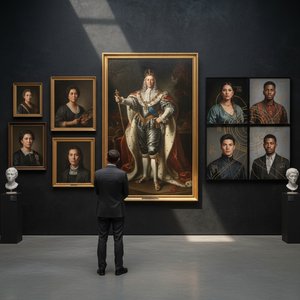
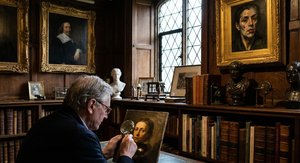
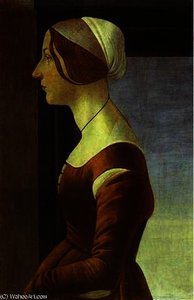
Portraiture has consistently served as a powerful medium for exploring themes of love, evolving alongside societal norms and artistic techniques. From the formal, stately portraits of the Renaissance – often commissioned to celebrate marriages or solidify social alliances – to the more intimate and psychologically revealing depictions of later periods, portraiture offers a unique window into the complexities of human relationships. Artists like Rembrandt masterfully captured the inner lives of their subjects, conveying not just physical likeness but also emotional depth and vulnerability. The subtle gestures, expressions, and use of light could reveal hidden affections or unspoken desires. In the 18th century, portraits became increasingly associated with social status and romantic ideals, often depicting couples in idyllic settings or surrounded by symbols of wealth and refinement. The rise of photography in the 19th century further democratized portraiture, allowing individuals from all walks of life to capture their likenesses – and, by extension, their relationships. However, even with the advent of new technologies, artists continued to explore the expressive potential of painted portraits, pushing boundaries and challenging conventions. The enduring appeal of self-portraiture—as exemplified by Albrecht Dürer’s meticulous depictions of himself—reflects a deeper exploration of identity, self-perception, and the artist's own emotional landscape.
Beyond Western Traditions: Exploring Diverse Representations of Love Globally
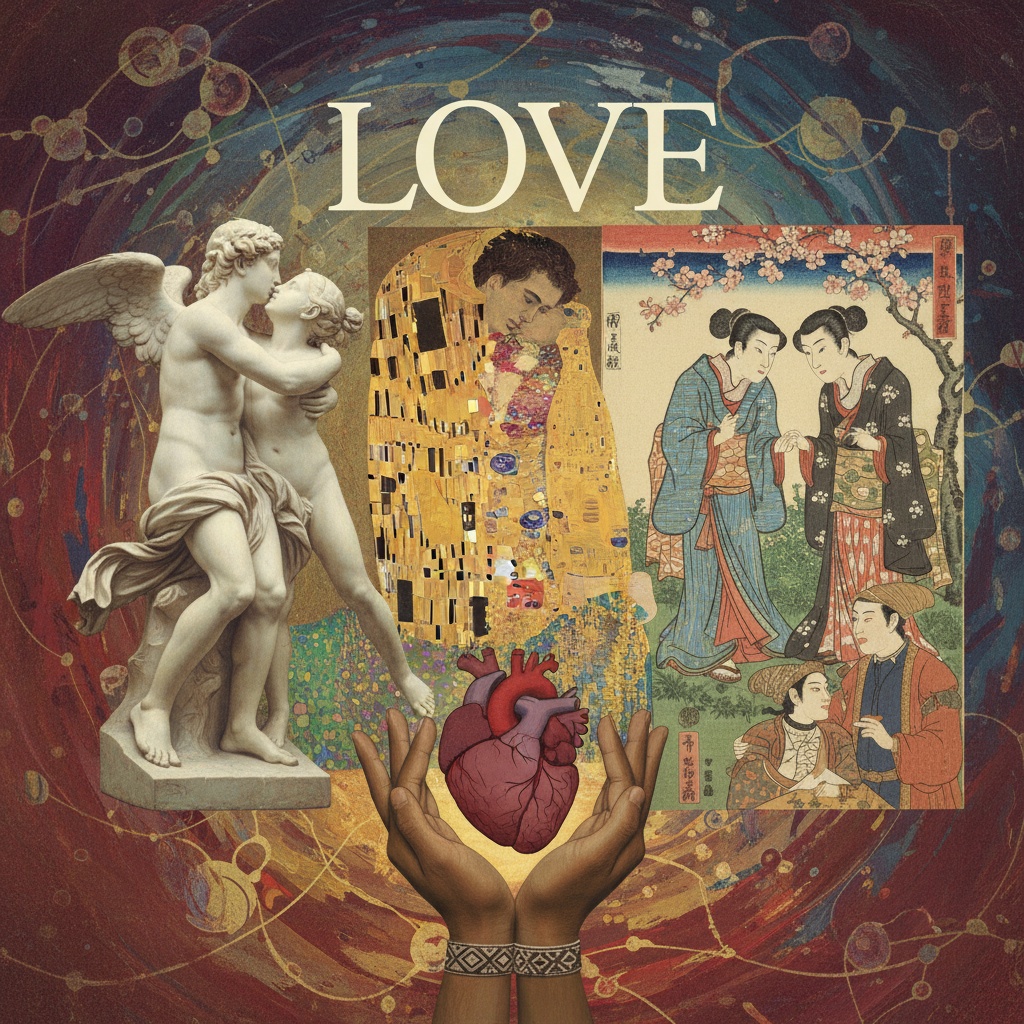
While Western art often dominates discussions of love in artistic expression, it is crucial to acknowledge the rich diversity of representations found across different cultures. Indian miniature paintings, for example, beautifully depict the passionate love stories of Radha and Krishna, imbued with symbolism and spiritual significance. These intricate works often feature lush landscapes, vibrant colors, and elaborate details that convey a sense of divine romance. In Japanese art, *shunga* (erotic woodblock prints) explored themes of sensuality and pleasure with remarkable artistry and subtlety. Chinese paintings frequently depicted scenes of domestic harmony and filial piety, emphasizing the importance of family love and respect for ancestors. African art often incorporates masks and sculptures that represent ancestral spirits associated with fertility and procreation, reflecting a reverence for life-giving forces. These diverse traditions demonstrate that the expression of love is not monolithic but rather shaped by cultural values, religious beliefs, and historical contexts. Exploring these non-Western examples broadens our understanding of the multifaceted nature of love and its enduring power to inspire artistic creation.
The Enduring Legacy: How Artistic Interpretations of Love Continue to Resonate Today
From ancient rituals to contemporary installations, the motif of love continues to captivate artists and audiences alike. While styles and techniques may evolve, the fundamental themes – desire, devotion, loss, longing – remain timeless. Contemporary artists often challenge traditional notions of romance, exploring issues of gender identity, sexuality, and social justice through their work. The influence of past masters is palpable in many modern creations, with artists drawing inspiration from classical mythology, Renaissance portraiture, or Romantic landscapes. The rise of digital art has also opened up new avenues for expressing love, allowing artists to create interactive installations, virtual realities, and multimedia experiences that engage audiences in innovative ways. At ArtsDot.com, we believe in making the world’s great artworks accessible to everyone. Whether you're seeking a reproduction of Botticelli’s *Primavera* or commissioning a bespoke portrait inspired by Rembrandt, our skilled artists can bring your vision to life. We offer museum-quality oil paintings and prints that capture the beauty and emotion of these timeless masterpieces. The enduring legacy of love in art lies not just in its aesthetic appeal but also in its ability to connect us to our shared humanity – a testament to the power of creativity to transcend time, culture, and individual experience. Explore our collection today and discover how art can capture the essence of your own unique story.