The Alchemy of Wet Plaster: Defining the Fresco Technique
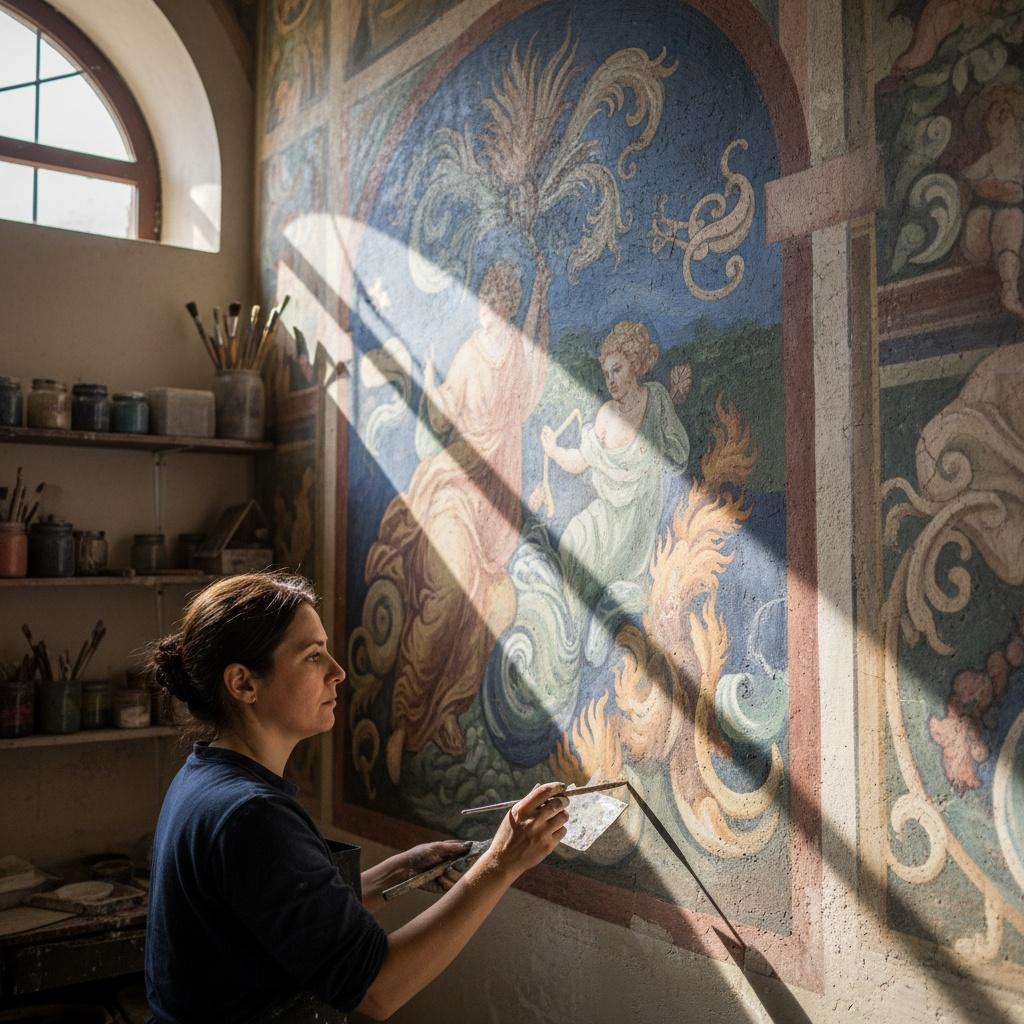
To understand the fresco is to understand a profound chemical marriage between pigment and stone. Unlike traditional oil painting, where layers of pigment sit atop a dried surface, fresco painting is an act of integration. The term itself derives from the Italian fresco, meaning "fresh," referring specifically to the state of the medium: wet lime plaster. When an artist applies water-based pigments to this damp, alkaline surface, a miraculous process known as carbonation occurs. As the plaster dries, it reacts with the carbon dioxide in the air, locking the pigment particles into a crystalline structure of calcium carbonate.
This is not merely painting upon a wall; it is making the painting part of the wall. The colors do not sit on the surface like a skin; they become embedded within the very fabric of the architecture. This technique demands an unparalleled level of foresight and precision. Because the artist is working against the clock—the drying time of the plaster—every stroke must be intentional, every color choice permanent. There is no room for the hesitation or the corrective layering found in canvas painting. It is a high-stakes dance with chemistry, where the artist must master the moisture levels of the lime to ensure the art survives the centuries.
A Journey Through Time: From Ancient Origins to Renaissance Mastery
The lineage of fresco stretches back through the corridors of human civilization, tracing its roots to the vibrant murals of ancient Egypt and the breathtakingly preserved walls of Minoan Crete. In these early eras, the technique served as a primary vessel for storytelling, capturing the essence of daily life, myth, and divinity. As civilizations progressed, so too did the sophistication of the medium. The Romans refined the use of plaster to create expansive, immersive environments in villas like those found in Pompeii, where walls seemed to dissolve into lush gardens and architectural illusions.
However, it was during the Italian Renaissance that fresco reached its zenith, transforming from a decorative craft into the ultimate expression of humanistic grandeur. This era saw the transition of the artist from a mere decorator to a divine creator. The mastery of perspective and anatomical accuracy found in the works of Giotto laid the groundwork for the giants who followed. These masters utilized the monumental scale of fresco to breathe life into theological narratives, turning cathedral ceilings into windows to the heavens. The technique became the definitive language of power, piety, and prestige, leaving an indelible mark on the collective memory of Western art history.
Buon Fresco vs. Fresco Secco: The Science of Pigment and Permanence
Within the realm of mural creation, a critical distinction exists between two primary methods: buon fresco and fresco secco. The former, or "true fresco," is the prestigious technique described earlier, where pigments are applied to wet plaster. This method offers unparalleled durability; because the pigment is chemically bonded to the wall, it is remarkably resistant to the passage of time and environmental shifts. However, buon fresco is notoriously difficult, as it requires the artist to work in sections known as giornate—or "a day's work." Once a section of plaster dries, no further pigment can be integrated into the structure, necessitating perfect planning.
In contrast, fresco secco involves painting on dry plaster using a binder such as egg, glue, or oil. While this method allows for much greater detail, subtle gradations, and a wider palette of colors that might react poorly to the alkalinity of wet lime, it lacks the structural permanence of the true fresco. Over centuries, secco layers are prone to flaking and peeling, as they remain a superficial layer rather than an integral part of the masonry. Often, the most magnificent Renaissance masterpieces are a hybrid of both: the foundational strength and luminous tones provided by buon fresco, enriched with the delicate, fine-line details achieved through secco.
The Master's Hand: Iconic Examples of Fresco Artistry
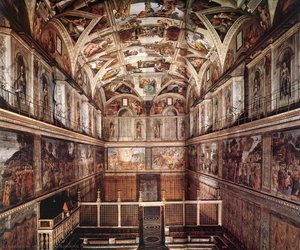
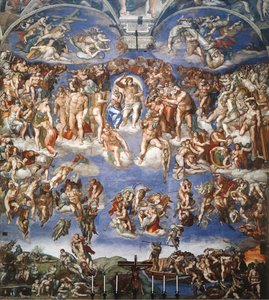
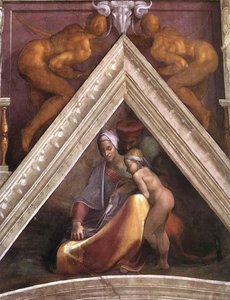
To stand beneath the ceiling of the Sistine Chapel is to witness the pinnacle of human achievement. Michelangelo Buonarroti’s work in the Vatican remains the most profound testament to the fresco medium. His ability to manipulate the heavy, monumental nature of the plaster to depict the muscularity of prophets and the divine tension of creation is nothing short of miraculous. Every giornata tells a story of immense physical and intellectual labor, where the weight of the lime was transformed into the lightness of spirit.
Beyond Michelangelo, the legacy of fresco is found in the emotive landscapes of Giotto, whose works in the Scrovegni Chapel introduced a new level of human emotion and spatial depth to the medium. In these frescoes, the walls no longer serve as boundaries but as stages for profound psychological drama. These iconic works serve as more than just historical artifacts; they are living embodiments of an era where art, science, and faith converged. Each brushstroke in these masterpieces represents a moment where the artist successfully commanded the volatile nature of wet plaster to capture the eternal.
Preserving the Past: Modern Conservation and Contemporary Applications
The very durability that makes fresco so legendary also presents unique challenges for modern conservators. Environmental pollutants, humidity fluctuations, and the natural aging of the lime binder can threaten these ancient surfaces. Conservation today is a delicate science, involving chemical analysis to stabilize pigments without altering the original aesthetic intent. The goal is always to arrest decay while respecting the historical integrity of the work, ensuring that the vibrant blues of lapis lazuli and the warm ochres of earth pigments remain visible for future generations.
In the contemporary era, the spirit of fresco continues to inspire. While the traditional, labor-intensive method remains a specialized discipline, its influence permeates modern muralism and architectural design. We see echoes of this classical grandeur in large-scale installations that seek to create immersive, tactile environments. At ArtsDot.com, we celebrate this enduring legacy by bringing the majesty of these historical styles into the modern home. Through our expert reproductions and custom commissions, we allow collectors to experience the texture, depth, and soul of the Old Masters, ensuring that the timeless alchemy of fresco continues to illuminate our lives today.