The Roots of Fantasy: Mythological Beginnings & Early Visions
 Symbolism in Art: 10 Masterpieces & Their Hidden Meanings | ArtsDot
Delve into the enchanting world of Symbolism with 10 iconic paintings by Klimt, Munch & Moreau. Explore hidden meanings, dreamlike imagery & rich color palettes. Find museum-quality art reproductions at ArtsDot.com and transform your home gallery. D...
From the earliest cave paintings depicting fantastical creatures to the elaborate narratives woven into ancient tapestries, humanity has always been captivated by worlds beyond our own. This inherent fascination with myth and imagination forms the bedrock upon which much of fantasy art is built. Before the formal movements we now recognize, artists drew inspiration from folklore, religious texts, and burgeoning scientific understanding – often blending them seamlessly to create visions that were both awe-inspiring and deeply symbolic. Consider the medieval bestiaries, illustrated compendiums of real and imagined animals, each imbued with moral lessons and allegorical meaning. These weren’t simply depictions of beasts; they were windows into a worldview where nature itself was alive with spiritual significance. The Renaissance saw a revival of classical mythology, providing artists with a rich source of subject matter – Botticelli's Birth of Venus, for example, while rooted in antiquity, possesses an ethereal quality that hints at something beyond the purely earthly.
The power of these early visions lies not just in their aesthetic beauty but in their ability to tap into universal archetypes. The hero’s journey, the battle between good and evil, the search for enlightenment – these themes resonate across cultures and time periods, providing a fertile ground for artistic exploration. Artists weren't merely illustrating stories; they were interpreting fundamental human experiences through the lens of fantasy, creating images that spoke to the deepest parts of the psyche.
Symbolism’s Embrace of the Dreamlike: Moreau, Redon, and the Inner World
 Gustave Moreau: Symbolism's Enigmatic Visionary & Precursors of Modern Fantasy Art
Explore the captivating world of Gustave Moreau, the leading Symbolist painter. Discover his iconic masterpieces, influences, and lasting legacy. Expert analysis for collectors & art enthusiasts.
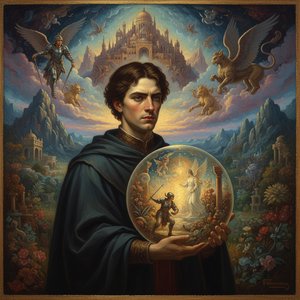
The late 19th century witnessed a shift towards introspection and a rejection of realism in favor of exploring the inner landscape. The Symbolist movement, spearheaded by artists like Gustave Moreau, embraced mythology, dreams, and esoteric philosophies as pathways to understanding the human condition. Moreau’s paintings, such as Salomé Dancing Before Herod, are characterized by their opulent detail, complex symbolism, and a hauntingly beautiful atmosphere. He wasn't interested in depicting historical accuracy but rather in evoking a sense of mystery and spiritual longing. His work often features biblical or mythological figures rendered with an otherworldly grace, inviting viewers to contemplate the hidden meanings beneath the surface.
Odilon Redon, another key figure of Symbolism, took this exploration even further, delving into the realm of dreams and the subconscious. His early works, often created in shades of gray and black, are filled with strange and unsettling imagery – creatures born from his imagination, floating eyes, and enigmatic landscapes. Later, he embraced color, but retained that same sense of mystery and psychological depth. Redon’s art is a testament to the power of suggestion, inviting viewers to project their own emotions and interpretations onto his fantastical creations. These artists sought to bypass rational thought and access a deeper level of truth through the language of symbols and dreams.
Surrealism’s Revolution: Unlocking the Subconscious in Art
Surrealism is an art and cultural movement that developed in Europe in the aftermath of World War I in which artists aimed to allow the unconscious mind to express itself, often resulting in the depiction of illogical or dreamlike scenes and ideas. I...
The aftermath of World War I shattered traditional notions of reason and order, paving the way for Surrealism – a movement that sought to liberate the unconscious mind. Inspired by the psychoanalytic theories of Sigmund Freud, artists like Salvador Dalí, René Magritte, and Max Ernst aimed to create art that was free from conscious control, embracing chance encounters, illogical juxtapositions, and dreamlike imagery. Surrealism wasn’t simply about depicting bizarre or fantastical scenes; it was a philosophical revolution – an attempt to redefine reality itself.
Dalí's melting clocks in The Persistence of Memory are perhaps the most iconic example of this, challenging our perception of time and space. Magritte’s paintings often feature ordinary objects placed in unexpected contexts, forcing viewers to question their assumptions about the world around them. Surrealism embraced automatism – a technique where artists allowed their hand to move freely across the canvas without conscious thought – as a way to tap into the raw energy of the subconscious. This movement profoundly impacted art, literature, and film, leaving an indelible mark on 20th-century culture.
Fantastic Realism & the 20th-Century Imagination: De Chirico to Noakes
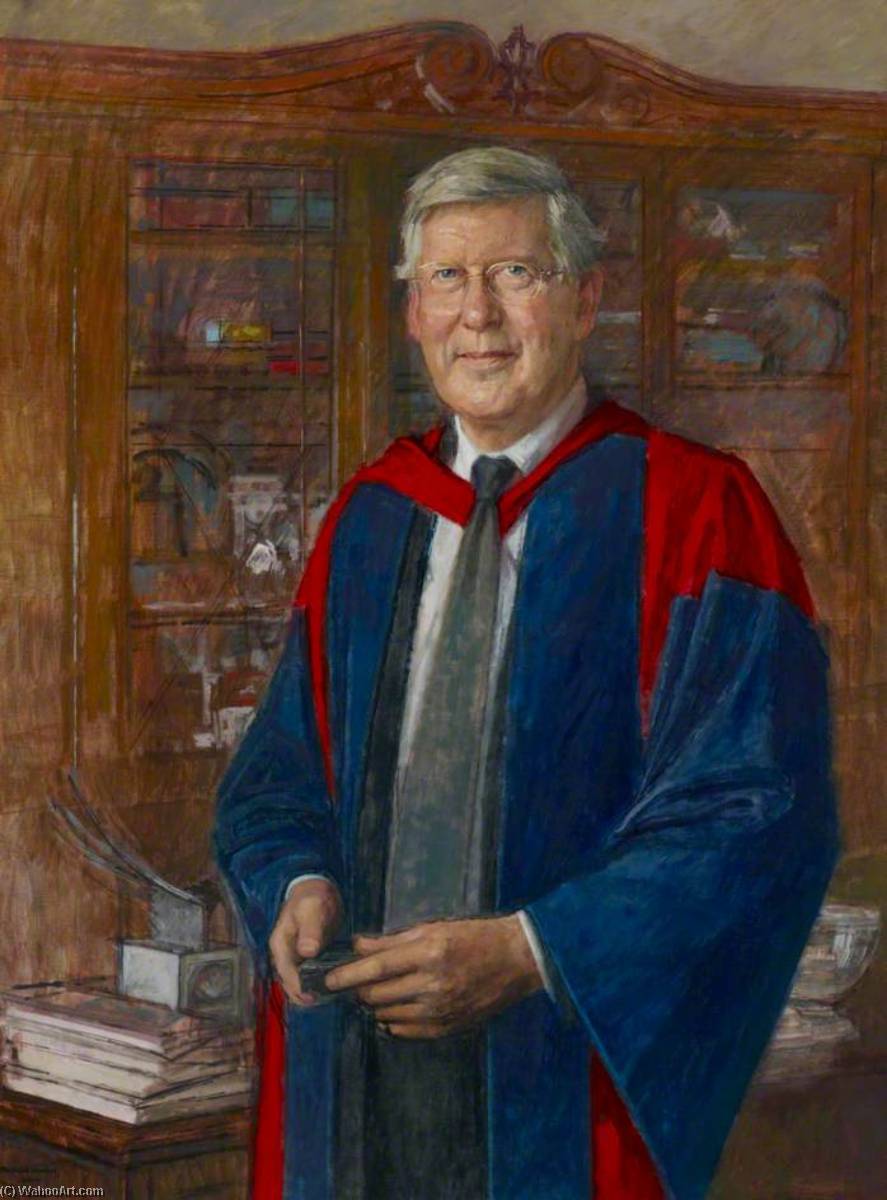 michael noakes
Explore the surreal landscapes & dreamlike figures of Michael Noakes (1933-2018). A ArtsDot pioneer, his intricate paintings evoke mythology, folklore, and a timeless, symbolic world.
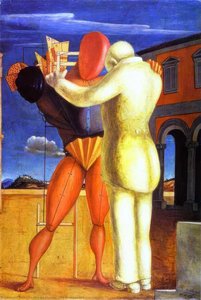
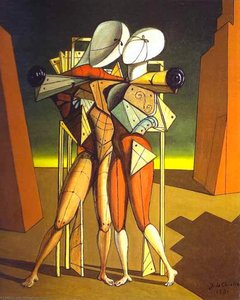
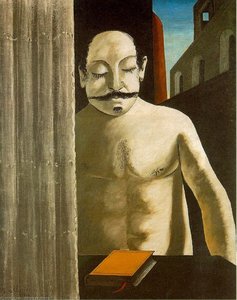
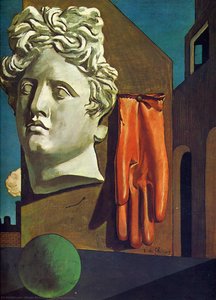
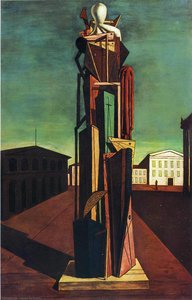
While Surrealism focused heavily on psychological exploration, Fantastic Realism emerged as a distinct style that emphasized meticulous detail and representational accuracy in depicting unreal or dreamlike subjects. Giorgio de Chirico is often considered a precursor to this movement, with his enigmatic cityscapes populated by shadows, mannequins, and classical ruins. His paintings evoke a sense of alienation and melancholy, hinting at hidden meanings beneath the surface of everyday life. Il figlio del guerriero exemplifies this – a seemingly straightforward depiction imbued with symbolic weight.
Later artists like Michael Noakes carried this tradition forward, creating intricate landscapes filled with fantastical architecture, evocative figures, and a timeless quality. His work often draws on mythology, folklore, and the artist’s own imagination, resulting in paintings that are both beautiful and unsettling. Merlyn Oliver Evans similarly crafted surreal scenes populated by dreamlike creatures and figures, exploring themes of isolation and transformation. These artists demonstrate a mastery of technique combined with a unique vision, creating worlds that feel simultaneously familiar and utterly alien.
The Enduring Appeal of Mystical Landscapes & Evocative Figures
Across these movements – from the early mythological visions to the complexities of Surrealism and Fantastic Realism – a common thread emerges: the enduring human fascination with the mystical, the unknown, and the power of imagination. Artists have always used fantasy as a means of exploring profound questions about life, death, spirituality, and the nature of reality. The appeal of these works lies not just in their aesthetic beauty but in their ability to evoke emotions, spark contemplation, and transport viewers to other worlds.
The landscapes often serve as metaphors for the inner psyche – vast and unexplored territories filled with hidden dangers and unexpected wonders. Evocative figures represent archetypal characters or embodiments of universal themes, inviting viewers to connect with their own subconscious desires and fears. This enduring appeal is a testament to the power of art to transcend cultural boundaries and speak to the deepest parts of the human experience.
Collecting the Ethereal: Identifying and Acquiring Fantasy Art
For collectors seeking to acquire works within this captivating realm, understanding the nuances of each movement is crucial. Symbolist paintings often feature rich colors, complex symbolism, and a focus on mythological or literary themes. Surrealist art can range from highly realistic depictions of dreamlike scenes to more abstract compositions. Fantastic Realism emphasizes meticulous detail and representational accuracy in depicting unreal subjects.
When considering a purchase, research the artist’s background, influences, and place within art history. Provenance – the documented history of ownership – is also important, as it can provide valuable insights into the artwork’s authenticity and value. ArtsDot.com offers a curated selection of high-quality reproductions of masterpieces from these movements, allowing collectors to bring the ethereal beauty of fantasy art into their homes. From stunning oil paintings to museum-quality prints, we strive to make the world’s great artworks accessible to everyone. Our expert team provides personalized guidance and support, helping you find the perfect piece to complement your collection and ignite your imagination.