Introduction
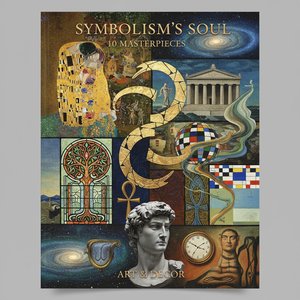
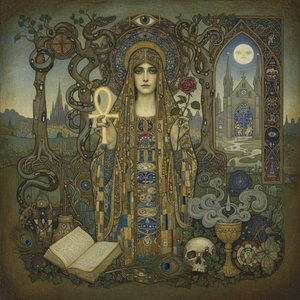
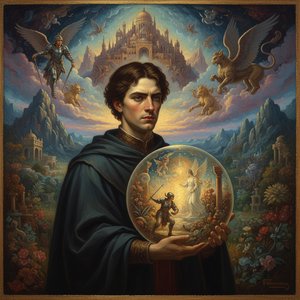
Step into a world where surfaces shimmer with hidden meanings, and every brushstroke whispers a secret language. For centuries, artists have employed symbolism – the use of objects, figures, or colors to represent abstract ideas – as a powerful tool for conveying complex emotions, spiritual beliefs, and societal critiques. This exploration isn't merely about 'reading' a painting like a code; it’s about entering into a dialogue with the artist’s soul, deciphering their unique vision through layers of allegory and metaphor.
The roots of symbolism stretch deep into antiquity, finding early expression in religious iconography, mythology, and alchemical traditions. However, the 19th century witnessed its flourishing as a distinct artistic movement, rebelling against the perceived materialism of Realism and Impressionism. Artists like Gustave Moreau, Odilon Redon, and Pierre Puvis de Chavannes sought to evoke inner worlds, dreams, and mystical experiences through evocative imagery often drawn from literature, folklore, and personal mythologies. This period saw a renewed interest in the power of suggestion, ambiguity, and the subjective experience.
But symbolism isn’t confined to a single era or style. It permeates art history, appearing in Renaissance masterpieces, Baroque dramas, and even contemporary installations. The enduring appeal lies in its ability to transcend cultural boundaries and speak directly to the human psyche. These artworks aren't simply relics of the past; they continue to resonate with us today because they grapple with universal themes – love, death, spirituality, identity – that remain profoundly relevant.
Over the following list, we will embark on a journey through ten exceptional artworks that exemplify the power and beauty of symbolism. Prepare to be captivated by enigmatic figures, haunting landscapes, and hidden narratives as we unlock the secrets held within these timeless masterpieces. Each piece offers a unique window into the artist’s world, inviting us to contemplate the deeper layers of meaning embedded in their creation.
The Meeting - Richard Lindner
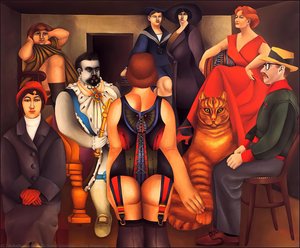 The Meeting - Richard Lindner
A gathering steeped in modernity, Richard Lindner’s “The Meeting” feels like a dream half-remembered, a vibrant tableau of anxieties and fascinations that defines mid-20th century life. This isn't simply a depiction of social interaction; it’s an immersion into a world poised between reality and illusion, making it an irreplaceable part of our exploration of symbolism in art.
The canvas teems with nine figures arranged in a deliberate semi-circle, their individual styles hinting at complex narratives. Lindner doesn't offer easy answers; instead, he presents a carefully constructed stage where identity and social roles collide. The regal cat in the foreground is particularly striking – an enigmatic presence suggesting authority or a subtle mysticism. It’s a scene that invites prolonged contemplation, prompting viewers to decipher unspoken stories within this dynamic composition.
Lindner's bold, expressive style—eschewing realism for emotionally charged forms and vibrant colors—is immediately recognizable. Strong outlines define each figure, lending them a graphic quality while emphasizing individuality. The rich interplay of reds, blues, and earthy tones enhances visual dynamism. This technique feels simultaneously familiar and unsettling, drawing the viewer into its captivating world. Today, we see echoes of “The Meeting” in interiors that embrace bold color palettes, eclectic furnishings, and a playful disregard for convention—spaces designed to spark conversation and intrigue, much like Lindner’s unforgettable gathering.
Gold Cavalier - Gustav Klimt
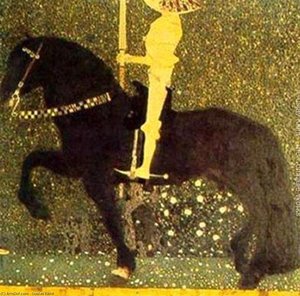 Gold Cavalier - Gustav Klimt
Gustave Klimt’s Gold Cavalier is more than just a painting; it's an immersion into the opulent, symbolic universe that defines his unique artistic vision. Created during a pivotal period in art history, this work exemplifies the height of the Art Nouveau movement and foreshadows the burgeoning Symbolist aesthetic, securing its place among the Top 10 artworks exploring symbolism.
The artwork presents a striking figure – a rider on horseback – rendered with Klimt's signature lavish use of gold leaf and intricate detailing. The cavalier, adorned in ceremonial attire, holds a sword—symbols traditionally associated with nobility and courage. This compositional choice emphasizes the rider’s dominance while simultaneously creating an air of mystery. The shallow depth of field compresses the space, drawing the viewer directly to the central figures.
Klimt masterfully employs oil paints alongside extensive gold leaf application, creating a shimmering surface that captivates the eye. The meticulous approach is characteristic of Art Nouveau, where intricate detail and organic forms were highly valued. Today, we see echoes of Gold Cavalier in interiors that embrace luxurious textures, metallic accents, and a sense of refined drama—spaces designed to evoke power, elegance, and a touch of timeless mystique.
Farmergarden with Sunflower, 1905-06 - Vienna, Osterreichische Museum für Angewandte Kunst - Gustav Klimt
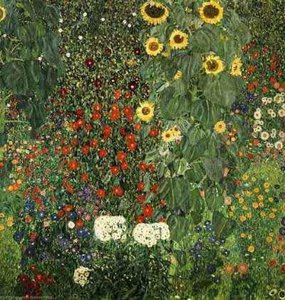 Farmergarden with Sunflower, 1905-06 - Vienna, Osterreichische Museum für Angewandte Kunst - Gustav Klimt
Imagine stepping into a sun-drenched garden, alive with the hum of bees and the vibrant energy of blossoming sunflowers. Gustav Klimt’s Farmergarden with Sunflower isn't merely a depiction of nature; it’s an evocation of life’s abundance, a celebration of growth and fleeting beauty that secures its place among the Top 10 artworks exploring symbolism.
Created during his formative years, this work reveals Klimt’s burgeoning mastery of color and pattern. The canvas teems with floral life, rendered in rich hues and intricate detail. While seemingly idyllic, a closer look reveals a subtle undercurrent of melancholy—a reminder of the ephemeral nature of existence. This delicate balance between joy and sorrow is characteristic of Klimt's symbolic approach.
The painting’s vibrant palette and organic forms resonate deeply with our modern desire for connection to nature. Today, we see echoes of Farmergarden in interiors that embrace botanical motifs, warm color schemes, and a sense of tranquil escape—spaces designed to nurture the soul and inspire moments of quiet reflection.
Draft of a theater curtain - Gustav Klimt
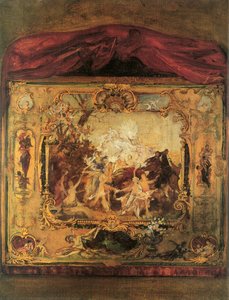 Draft of a theater curtain - Gustav Klimt
Imagine the hushed anticipation before a performance, the velvet weight of a curtain about to rise… Gustav Klimt’s Draft of a Theater Curtain isn't simply a preparatory sketch; it’s an emblem of the Vienna Secession and Art Nouveau—a profound meditation on beauty, spirituality, and the interplay between masculine and feminine energies. This artwork stands as one of the Top 10 artworks exploring symbolism for its daring experimentation.
Painted in 1894, the canvas teems with intricate gold frames, decorative flowers, and intertwining leaves. Klimt’s masterful use of color is immediately striking: rich hues create an opulent visual experience. Beyond the surface splendor lies a complex symbolic language—angels and human forms embodying ideals of grace and divine love. Their stylized poses reflect his fascination with classical sculpture.
Today, we see echoes of Draft of a Theater Curtain in interiors that embrace luxurious textures, metallic accents, and a sense of quiet prestige. It’s a reminder that art can elevate the everyday, transforming spaces into havens of beauty and contemplation—a testament to Klimt's enduring legacy.
The Noble Deed of Scipio - Nicolas Poussin
 The Noble Deed of Scipio - Nicolas Poussin
Nicolas Poussin’s The Noble Deed of Scipio isn't merely a historical scene; it’s a profound meditation on honor, restraint, and the enduring values of ancient Rome. Painted around 1640, this captivating work offers a glimpse into the Baroque era's masterful command of light, composition, and emotional resonance—qualities that secure its place among the Top 10 artworks exploring symbolism.
The painting immediately draws the eye with its carefully orchestrated arrangement. Poussin employs a subtle pyramidal composition, guiding the viewer’s gaze upward towards Scipio, who stands in a commanding red robe—a color traditionally associated with nobility. This vibrant hue contrasts beautifully with the pristine white of the woman's dress, symbolizing her innocence and purity.
At ArtsDot, we believe that art should live within our spaces, enriching our daily lives. The Noble Deed of Scipio embodies this philosophy—a timeless reminder of virtue and grace, capable of transforming any room into a sanctuary of beauty and contemplation. Its enduring presence speaks to the power of art to inspire reflection and elevate the human spirit.
Midsummer Night's Dream - Marc Chagall
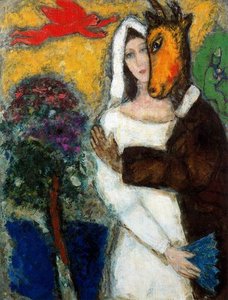 Midsummer Night's Dream - Marc Chagall
Marc Chagall’s Midsummer Night's Dream isn't simply a painting; it’s an invitation into the artist’s deeply personal and profoundly symbolic universe. Completed in 1939, this work pulsates with the vibrant energy that defines Chagall’s mature style—a captivating fusion of Surrealism, Cubist influences, and Jewish folklore, earning its place among the Top 10 artworks exploring symbolism.
At the heart of the composition lies an intimate embrace – a man and woman representing Chagall himself and his wife. However, their connection transcends portraiture; they embody unity and enduring love. Recurring motifs—soaring birds symbolizing freedom and spirituality, and a clock challenging our perception of time—add layers of meaning.
Today, we see echoes of Midsummer Night’s Dream in interiors that embrace bold color palettes, whimsical patterns, and a sense of joyful abandon. It's a reminder that art can transform spaces into havens of personal expression, celebrating the power of love, memory, and the enduring magic of dreams.
The Meeting of the Illusion and the Arrested Moment - Fried Eggs Presented in a Spoon, 1932 - Salvador Dalí
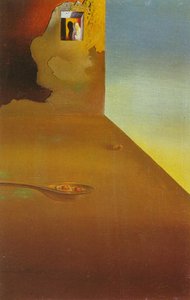 The Meeting of the Illusion and the Arrested Moment - Fried Eggs Presented in a Spoon, 1932 - Salvador Dalí
Unveiled to a world captivated by the subconscious, Salvador Dalí’s The Meeting of the Illusion and the Arrested Moment – Fried Eggs Presented in a Spoon stands as an arresting testament to Surrealist artistry. Painted in 1932, this masterpiece encapsulates Dali's signature blend of meticulous realism and dreamlike fantasy—qualities that secure its place among the Top 10 artworks exploring symbolism.
The scene presents a deceptively simple image: a spoon cradling a melting fried egg against a barren landscape. However, this stillness belies profound themes of time, decay, and the elusive nature of reality. The cypress tree—a symbol of mourning—adds complexity, suggesting mortality alongside aspirations for transcendence.
Today, we see echoes of The Meeting in interiors that embrace bold statements, unexpected juxtapositions, and a sense of quiet contemplation. It’s a reminder that art can transform spaces into havens of personal expression—a testament to Dali's enduring legacy and the power of imagination.
Melancholy, Laura - Edvard Munch
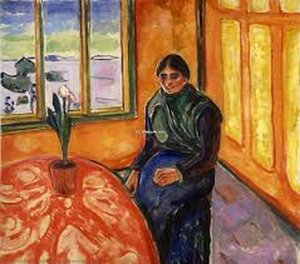 Melancholy, Laura - Edvard Munch
Imagine a quiet afternoon bathed in golden light, a moment suspended between longing and introspection… Edvard Munch’s Melancholy, Laura isn't merely a portrait; it’s an intimate exploration of the human psyche. Painted in 1899, this work offers a rare glimpse into the artist’s deeply personal world—a realm saturated with emotion and memory, securing its place among the Top 10 artworks exploring symbolism.
The painting captures Laura bathed in warm light before a window – a visual metaphor for the boundary between her inner world and external reality. Potted plants flanking her table represent life’s duality: growth alongside decay, beauty intertwined with sorrow. Her scarf suggests a desire for protection, seeking solace in solitude.
Today, we see echoes of Melancholy in interiors that embrace warm color palettes and quiet contemplation. It's a reminder that art can transform spaces into havens of serenity—a testament to Munch’s enduring legacy and the power of vulnerability.
Riesengebirge Landscape with Rising Fog - Caspar David Friedrich
 Riesengebirge Landscape with Rising Fog - Caspar David Friedrich
Unveiled to a world seeking solace in nature’s grandeur, Caspar David Friedrich’s Riesengebirge Landscape with Rising Fog stands as an emblem of Romantic art. Painted in 1819, this monumental work encapsulates the movement’s preoccupation with emotion, spirituality, and the sublime—qualities that secure its place among the Top 10 artworks exploring symbolism.
Friedrich employs a pyramidal structure, anchoring the eye to the central peak while directing it upwards into the misty expanse. The fog itself represents obscurity and uncertainty, symbolizing the hidden realities beyond human comprehension. Simultaneously, it evokes the sublime—that feeling of awe experienced when confronted with nature’s immensity.
Today, we see echoes of Riesengebirge Landscape in interiors that embrace muted color palettes, natural textures, and a sense of quiet contemplation. It's a reminder that art can transform spaces into havens of serenity—a testament to Friedrich’s enduring legacy and the power of nature to inspire reflection.
Polyptych of St Anthony: St Elizabeth Saves a Boy - Piero della Francesca
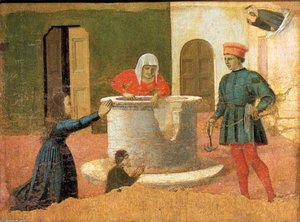 Polyptych of St Anthony: St Elizabeth Saves a Boy - Piero della Francesca
Piero della Francesca’s Polyptych of St Anthony—specifically the panel depicting St Elizabeth rescuing a boy from a well, created around 1460—stands as a testament to the artist’s unparalleled mastery of perspective and his ability to infuse religious narrative with humanist observation. This work embodies a profound meditation on faith, compassion, and divine intervention within the everyday realities of medieval life, earning its place among the Top 10 artworks exploring symbolism.
Della Francesca’s revolutionary use of linear perspective creates an illusionistic space that draws the viewer inward, fostering a palpable sense of depth. The three vases strategically positioned within the composition serve as emblems of purity and innocence—a deliberate contrast to the perilous situation unfolding before our eyes. These aren't merely decorative; they represent divine grace offering solace amidst adversity.
Today, we see echoes of St Elizabeth Saves a Boy in interiors that embrace serene compositions, balanced forms, and a sense of quiet dignity. It’s a reminder that art can transform spaces into havens of contemplation—a testament to Della Francesca’s enduring legacy and the power of perspective.
Conclusion
As the light fades, casting long shadows across these imagined galleries, we find ourselves not merely concluding a journey through ten exceptional artworks, but stepping back into a world subtly altered by their presence. These paintings—from Dalí’s surreal landscapes to Friedrich’s misty mountains—are not relics of a distant past, but living forces that continue to whisper beauty, emotion, and meaning into modern life.
They remind us that beneath the surface of reality lies a deeper current of symbolism—a language spoken through color, form, and gesture. A language that transcends time, culture, and individual experience, connecting us to generations who sought to understand the human condition through art.
Perhaps you’ll find yourself drawn to recreate a sense of this quiet contemplation within your own spaces—a touch of Munch’s warmth, a hint of Friedrich’s serenity. Or perhaps these images will simply linger in your mind, offering moments of solace and inspiration whenever they are needed.
To continue exploring the rich tapestry of symbolism in art, we invite you to discover our full collection . May these masterpieces continue to move your heart and shape your world.