The Seeds of Observation: Naturalism's Roots in Renaissance Realism
In art, realism is generally the attempt to represent subject-matter truthfully, without artificiality, exaggeration, or speculative or supernatural elements. The term is often used interchangeably with naturalism, although these terms are not necess...
Before the sweeping landscapes and social commentaries that define Naturalism, a quiet revolution was brewing within the workshops of the Renaissance. While not yet explicitly termed “Naturalism,” the period’s fervent pursuit of accurate representation laid the essential groundwork for the movement to come. Artists like Leonardo da Vinci weren't merely striving for aesthetic beauty; they were dissecting anatomy, mastering perspective—techniques born from a desire to *understand* and faithfully recreate the world around them. This wasn’t simply about skill; it was an intellectual endeavor, a scientific approach applied to art. The development of oil painting itself played a crucial role, allowing for nuanced gradations of light and shadow, textures that mimicked reality with unprecedented fidelity. Consider Jan van Eyck's meticulous detail in the Arnolfini Portrait – the glint of light on metal, the folds of fabric, the individual hairs—these weren’t stylistic flourishes but demonstrations of a commitment to optical truth. This dedication to verisimilitude, though often serving religious or aristocratic purposes, established a precedent for later artists who would prioritize objective observation above all else.
From Courbet to Millet: The French Revolution and the Birth of a Movement
History paintings is a genre Western art that focuses on the depiction of historical, mythological, biblical, or literary subjects, often with a moral or didactic purpose. Considered the most prestigious genre in the academic art hierarchy during the...
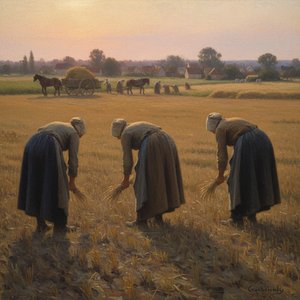
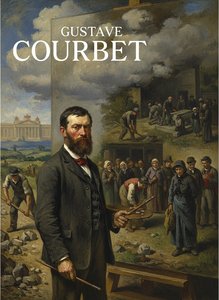
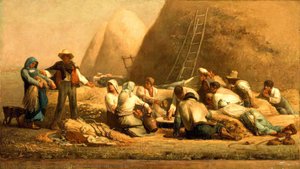
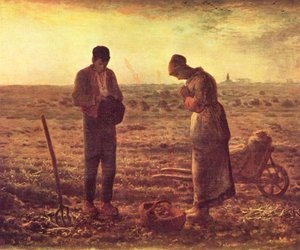
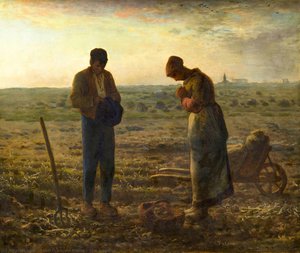
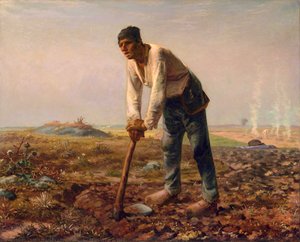
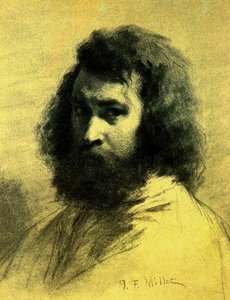
The mid-19th century in France was a crucible of social and political upheaval. Following the 1848 revolution, established artistic norms were challenged as never before. History painting—the grand narratives of mythology and heroism that had long held prestige within the academic hierarchy—began to feel increasingly detached from the realities of everyday life. Enter Gustave Courbet, a figure who deliberately rejected idealized forms in favor of depicting the mundane, even the ugly. His *Stone Breakers* (1849), though sadly lost during World War II, was a watershed moment; it wasn’t a scene of noble struggle or romantic tragedy but a stark portrayal of backbreaking labor. Jean-François Millet followed suit, focusing on rural life with an empathetic eye. Paintings like *The Gleaners* (1857) and *The Angelus* (1857-59) elevated the dignity of peasant existence, presenting subjects previously deemed unworthy of artistic attention. These artists weren’t simply painting what they saw; they were making a statement about social justice, challenging viewers to confront uncomfortable truths. This wasn't merely aesthetic rebellion; it was a conscious effort to democratize art, to reflect the lives of ordinary people.
Beyond Representation: Exploring the Ideological Undercurrents of Naturalist Art
Naturalism, however, was more than just a stylistic shift—it was deeply intertwined with emerging scientific and philosophical ideas. The rise of positivism, championed by thinkers like Auguste Comte, emphasized empirical observation as the sole source of knowledge. This resonated powerfully with artists who sought to depict reality “as it is,” free from subjective interpretation or romantic embellishment. The influence of determinism—the belief that human behavior is governed by external forces—also played a significant role. Artists began to explore how environment, heredity, and social conditions shaped individual lives, often portraying characters trapped by circumstance. This focus on causality led to a more unflinching portrayal of poverty, hardship, and the darker aspects of human existence. While Realism focused on accurate depiction, Naturalism sought to *explain* what it depicted, applying a quasi-scientific lens to the complexities of the human condition. It’s important to note that this wasn't always a neutral endeavor; artists often used their work to advocate for social reform or critique societal inequalities.
Naturalism Across Borders: Regional Variations & International Influence
While France served as the epicenter of Naturalism, its influence quickly spread across Europe and beyond. In Russia, the *Peredvizhniki* (Wanderers) group emerged, dedicated to depicting the lives of peasants and the harsh realities of rural life with a similar commitment to realism and social commentary. Ilya Repin’s *Barge Haulers on the Volga* (1870-73), for example, is a powerful depiction of grueling labor that echoes Courbet's concerns. In Spain, Joaquín Sorolla y Bastida captured the vibrant light and everyday life of coastal communities with remarkable accuracy. Even in America, artists like Winslow Homer embraced Naturalist principles, portraying scenes of rural life and maritime existence with an unflinching eye for detail—as seen in *An Adirondack Lake* (1894). These regional variations demonstrate that Naturalism wasn’t a monolithic style but rather a broad movement adapted to specific cultural contexts. Each artist brought their own unique perspective and concerns, enriching the overall tapestry of the movement.
The Legacy Endures: How Naturalism Paved the Way for Modern Art
Though often overshadowed by its contemporary Impressionism, Naturalism’s impact on modern art is undeniable. Its emphasis on objective observation paved the way for later movements like Photo-Realism and Hyperrealism, which pushed the boundaries of representational accuracy even further. More importantly, Naturalism challenged traditional notions of beauty and subject matter, opening up new avenues for artistic expression. The focus on social commentary influenced generations of artists to use their work as a platform for political activism and critique. The legacy can also be seen in the continued exploration of everyday life in contemporary art—the desire to capture the authenticity of human experience remains a powerful driving force. At ArtsDot, we celebrate this enduring spirit by offering high-quality reproductions of Naturalist masterpieces, allowing you to bring these evocative works into your own home and connect with the artists who dared to depict the world as it truly is. Explore our collection today and discover the power of observation—and the beauty in the ordinary.