
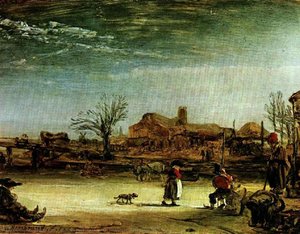
From Royal Pursuit to Artistic Symbolism: The Evolution of Hunting Scenes
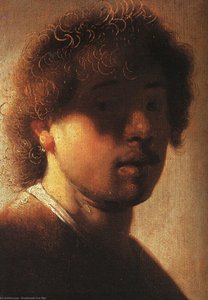
In art, chiaroscuro (English: kee-AR-ə-SKOOR-oh, -SKURE-, Italian: [ˌkjaroˈskuːro]; lit. 'light-dark') is the use of strong contrasts between light and dark, usually bold contrasts affecting a whole composition. It is also a technical term used by ...
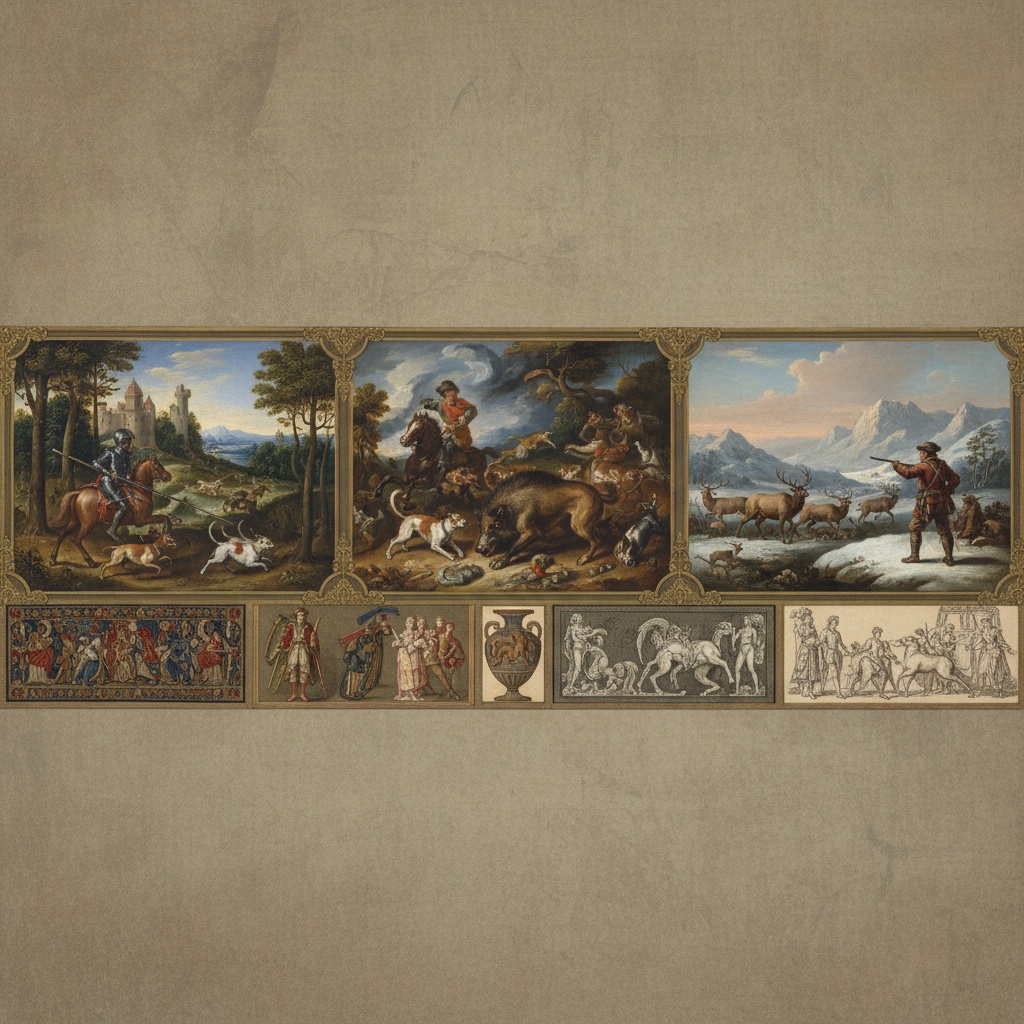
The image of the hunt, etched into the collective consciousness for millennia, transcends mere sport. It is a narrative woven with threads of power, prestige, and primal instinct—a visual language that has captivated artists and patrons alike since the dawn of civilization. Initially, hunting scenes served as straightforward depictions of aristocratic leisure, documenting the prowess and dominion of kings and nobles. Early examples often lacked nuanced symbolism, focusing instead on the technical skill required to portray the chase – the galloping horses, the straining hounds, the focused intensity of the hunter. However, with the Renaissance came a shift in perspective. Hunting began to be imbued with deeper meaning, reflecting humanist ideals and a renewed interest in classical mythology. The act itself became less about sustenance and more about demonstrating control over nature, a metaphor for governing one’s own realm. The meticulous detail afforded by artists like Annibale Carracci in his monumental “Hunting” painting exemplifies this burgeoning complexity; the dynamism of the composition isn't simply illustrative but conveys a sense of grand scale and controlled energy, mirroring the ambitions of Bolognese art.
The Dutch Golden Age & Hyperrealist Depictions of the Hunt
The 17th-century Netherlands witnessed an explosion of hunting scenes, fueled by a burgeoning merchant class eager to display their newfound wealth and status. Unlike the grand narratives favored by royal courts, Dutch masters like Adriaen Cornelisz Beeldemaker specialized in capturing the intimate details of everyday life, including the practicalities of the hunt. These paintings weren’t merely celebrations of sport; they were exercises in realism, showcasing a remarkable ability to render textures – the sheen of fur, the glint of steel, the varied terrain – with astonishing accuracy. Jean-Baptiste Oudry's “Hound with Gun and Dead Game” provides a compelling example. The artist doesn't shy away from the brutal realities of the chase; instead, he presents a starkly honest portrayal of the aftermath, emphasizing both the beauty and the violence inherent in the pursuit. This hyperrealism wasn’t simply about technical skill; it was a statement of affluence – only those with considerable means could afford to commission such detailed depictions of their possessions and pastimes.
Chiaroscuro and Drama: Caravaggio, Rembrandt, and the Power of Light in Hunting Art
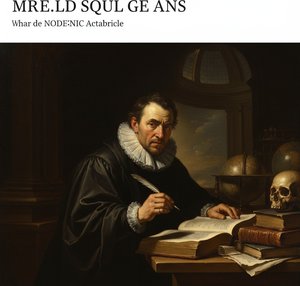
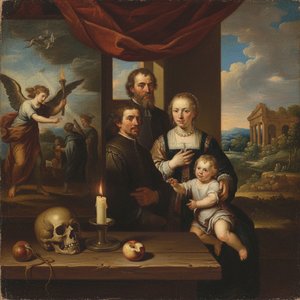
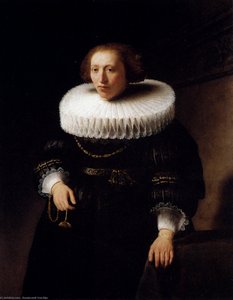
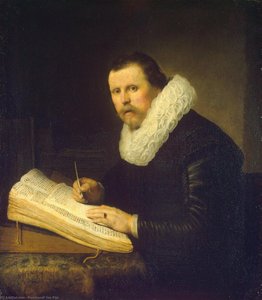
The Baroque period saw artists harness the power of chiaroscuro – the dramatic interplay of light and shadow – to elevate hunting scenes to new heights of emotional intensity. While not directly known for explicitly hunting-focused works, masters like Caravaggio and Rembrandt profoundly influenced the genre through their innovative use of light and composition. The technique wasn’t merely aesthetic; it was a tool for focusing attention, creating a sense of drama, and imbuing the scene with psychological depth. The stark contrasts in illumination could highlight the hunter's determination, the prey's vulnerability, or the unsettling consequences of the chase. This emphasis on emotional resonance transformed hunting scenes from straightforward depictions into powerful allegories about life, death, and the human condition.
Hunting as Portraiture: Status, Nobility, and the Baroque Era
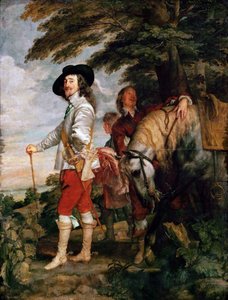 Charles I, King of England at the Hunt
Admire Anthony van Dyck’s ‘Charles I at Hunt,’ a stunning Baroque portrait of the King. Explore this masterpiece's history, artistry & influence at ArtsDot.com.
Sir Anthony van Dyck’s “Charles I at Hunt” exemplifies how hunting became inextricably linked with portraiture during the Baroque era. The painting isn't simply a record of a sporting activity; it is a carefully constructed image designed to project an aura of power, authority, and aristocratic refinement. Charles I is depicted not as a rugged outdoorsman but as a regal figure seamlessly integrated into the landscape, his control over both nature and his kingdom subtly emphasized. The composition, the pose, even the inclusion of specific hunting dogs were all carefully chosen to convey a message about the king’s status and legitimacy. This trend continued throughout the 18th century, with artists like Charles-André van Loo further refining the art of portraying nobility through meticulously staged hunting scenes.
Beyond the Chase: Allegory, Morality, and Hidden Meanings in Hunting Compositions
As the centuries progressed, hunting scenes increasingly became vehicles for exploring complex allegorical themes. Artists began to imbue their compositions with hidden meanings, using the hunt as a metaphor for love, war, or even the pursuit of knowledge. Paul de Vos’s work, as explored in academic studies, reveals how seemingly straightforward depictions could be layered with symbolism relating to aristocratic power struggles and societal hierarchies. The immediacy of the scene, coupled with the dynamic composition, created a sense of tension that resonated with contemporary audiences. Sugar hunting scenes, mentioned in historical accounts, further demonstrate the genre’s adaptability, reflecting evolving tastes and cultural values. The careful arrangement of elements – the prey, the hunters, the surrounding landscape – often served as visual cues to deciphering these hidden narratives.
The Enduring Legacy: Contemporary Interpretations & The Hunting Art Prize
Even today, the themes explored in historical hunting scenes continue to resonate with artists and audiences. While the traditional depiction of the chase may have waned in popularity, the underlying concepts – power dynamics, control over nature, the relationship between predator and prey – remain potent subjects for artistic exploration. The Hunting Art Prize, established in 1981 and now based in Houston, demonstrates a continued appreciation for excellence in drawing and painting, often showcasing works that engage with these enduring themes. From Padaric Kolander’s evocative drawings to Kevin Peterson’s powerful paintings, contemporary artists are reimagining the hunt in new and innovative ways. At ArtsDot.com, we celebrate this rich artistic heritage by offering museum-quality reproductions of masterpieces from across the ages, allowing you to bring the power and prestige of hunting scenes into your own home. Explore our extensive collection and discover the timeless beauty and symbolism that continue to captivate art lovers worldwide.