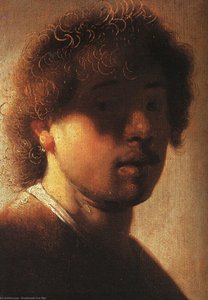
The Chiaroscuro Revolution: Defining the Drama of Light and Shadow
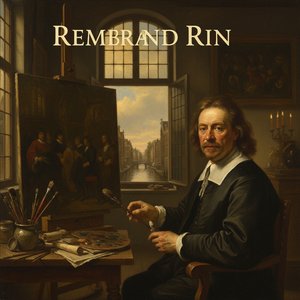
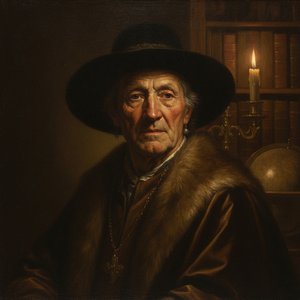
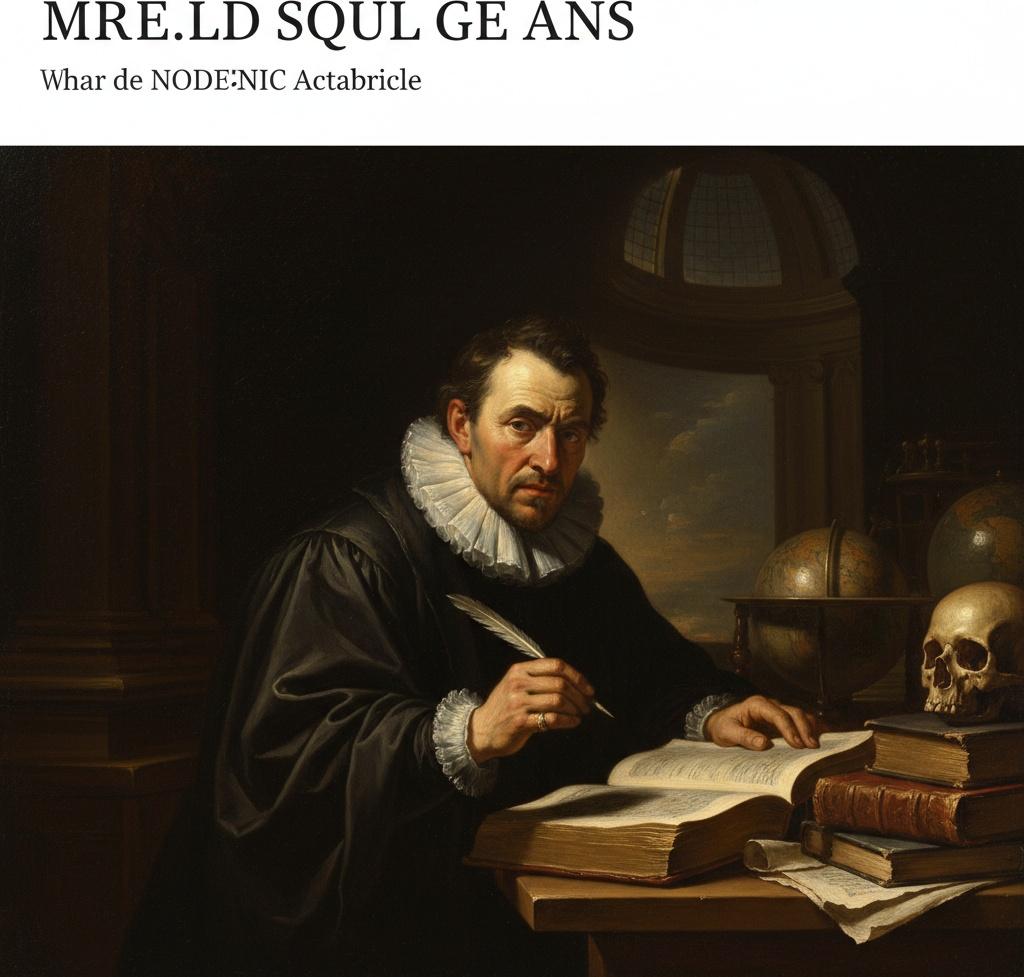
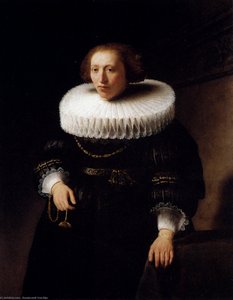
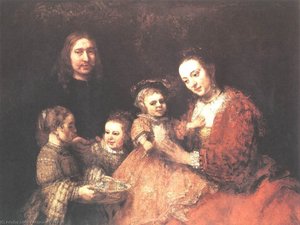
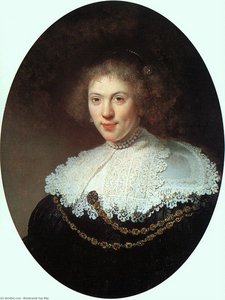
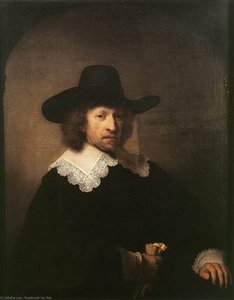
To step into the world of the Dutch Baroque is to enter a realm where light does not merely illuminate, but narrates. At the heart of this era lies the profound technique of chiaroscuro—the deliberate, masterful manipulation of extreme contrasts between brightness and darkness. This was not simply a stylistic choice; it was a revolution of perception. By emerging from the deep, velvety shadows of the late Renaissance, Dutch masters learned to use light as a physical presence, a spotlight that car-ves form out of the void and breathes life into the stillness of the canvas.
In these works, shadow is never truly empty. It is a heavy, atmospheric substance that holds secrets, providing a stage uponly which the light can perform its most dramatic feats. When we observe the way a single candle flame or a stray beam from an unseen window strikes a subject, we are witnessing the birth of psychological tension. This interplay creates a sense of three-dimensionality that pulls the viewer into the frame, making the painted space feel as tangible and breathing as our own. The brilliance of this technique lies in its ability to direct the eye, forcing us to confront the most essential elements of the composition while leaving the periphery to the imagination.
Psychological Depth through Contrast: The Intimacy of Genre Painting
While the grand scale of history painting often commands our attention, it is within the quiet, domestic corners of Dutch genre painting that the true emotional resonance of the Baroque period resides. Here, the mastery of light serves a more intimate purpose: the exploration of the human soul. In works such as Gerard ter Borch’s Le Duo, we see how light can capture the delicate textures of silk and the subtle, fleeting expressions of a singer and lutenist. The light does not shout; it whispers, illuminating the quiet intimacy of a shared moment and revealing the profound psychological depth hidden within everyday life.
This era excelled at capturing what might be called the unseen emotion. Through the careful placement of highlights on a furrowed brow or the soft glow upon a resting hand, artists could convey longing, melancholy, or quiet contentment without the need for overt theatricality. The shadows act as a veil, suggesting the complexities of thought and the privacy of the human experience. In these small-scale masterpieces, the contrast between the luminous skin tones and the dark, enveloping backgrounds creates a sense of profound solitude and connection, inviting the observer to contemplate the fleeting nature of time and the enduring beauty of the mundane.
Maritime Majesty and Atmospheric Tension: The Dutch Sea and Sky
Beyond the domestic interior, the Dutch Baroque spirit expanded toward the horizon, finding its most epic expression in maritime landscapes. For a nation whose identity was inextricably linked to the sea, the depiction of the ocean was an act of both documentation and myth-making. Painters like Abraham Storck utilized the principles of light and shadow to capture the terrifying majesty of the North Sea. In scenes such as Dutch Whalers near Spitsbergen, the drama is found in the turbulent interplay between the heavy, leaden clouds and the fractured light reflecting off the icy waters.
The atmosphere in these marine paintings is thick with tension. The artist uses light to define the crest of a wave or the straining rigging of a vessel, creating a sense of movement that feels almost visceral. There is a palpable struggle depicted between the elements and the human endeavor; the shadows cast by storm clouds threaten to swallow the ships whole, while sudden bursts of light offer a glimmer of hope or a warning of impending peril. This use of atmospheric perspective—where light and haze soften distant objects—adds a layer of immense scale, allowing the viewer to feel the vastness of the maritime world and the precariousness of life upon its unpredictable surface.
The Alchemy of Texture: Capturing Materiality in the Golden Age
A true master of the Dutch Baroque was also an alchemist of texture. The brilliance of their light was only as effective as their ability to render the surfaces it touched. To achieve a sense of absolute realism, these artists developed an extraordinary command over the tactile qualities of their subjects. We see this in the way light clings to the heavy, lustrous folds of satin, or how it is absorbed by the matte, porous surface of aged wood and weathered stone. This meticulous attention to materiality creates a sensory experience that transcends the visual.
The technique often involved complex layering, where pigments were applied to build up a physical presence on the canvas. The way light interacts with these varying textures—glancing off a raised impasto stroke or sinking into a thin, translucent glaze—is what gives these paintings their "living" quality. Whether it is the cold glint of a silver chalice, the soft fuzz of a peach, or the rugged grit of a sailor's coat, the mastery of texture ensures that the light has something substantive to reveal. It is this marriage of light and matter that allows the viewer to almost feel the weight and temperature of the world depicted within the frame.
Preserving the Master’s Touch: Bringing Baroque Grandeur to Modern Interiors
The enduring legacy of the Dutch Golden Age lies in its ability to command presence in any era. The dramatic tension and profound beauty of these works are not confined to museum halls; they possess a timeless vitality that can transform a contemporary living space into an environment of historical depth and sophistication. Integrating such powerful imagery into modern architecture requires an appreciation for the way light and shadow interact with modern design, creating a dialogue between the old world and the new.
At ArtsDot.com, we believe that the soul of these masterpieces should be accessible to all who cherish fine art. Our dedication to preserving the academic excellence of the Old Masters allows us to offer hand-painted oil reproductions that capture the very essence of the Baroque spirit. Through meticulous layering and a commitment to traditional techniques, our artists recreate the tactile brushstrokes and dramatic chiaroscuro that define this era. Whether through a large-scale maritime mural or an intimate portrait, we provide the means to bring the profound drama of the Dutch Golden Age into your personal collection, ensuring that the light of history continues to shine in the homes of today.