
The Dawn of a New Vision: The Emergence of Neo-Impressionism
In the twilight of the nineteenth century, a profound metamorphosis occurred within the Parisian art scene, marking a departure from the spontaneous, fleeting brushstrokes of the Impressionist masters. While the works of Monet and Renoir captured the ephemeral beauty of light and atmosphere, a new generation of thinkers sought something more permanent, more structured, and perhaps more scientifically grounded. This was the birth of Neo-Impressionism, a movement that did not seek to merely observe the world, but to reconstruct it through a lens of calculated precision. It was an era where the romanticism of the brush met the rigor of the intellect, transforming the canvas from a window of perception into a laboratory of light.This transition was characterized by a desire to move away from the subjective "impression" toward a more objective "construction." The artists of this movement were not content with the accidental; they craved the intentional. By introducing a sense of order and geometric stability, they breathed a new kind of life into the landscape, one that felt less like a passing moment and more like an eternal truth captured in pigment.
The Science of Light: Decoding the Color Theory of Pointillism
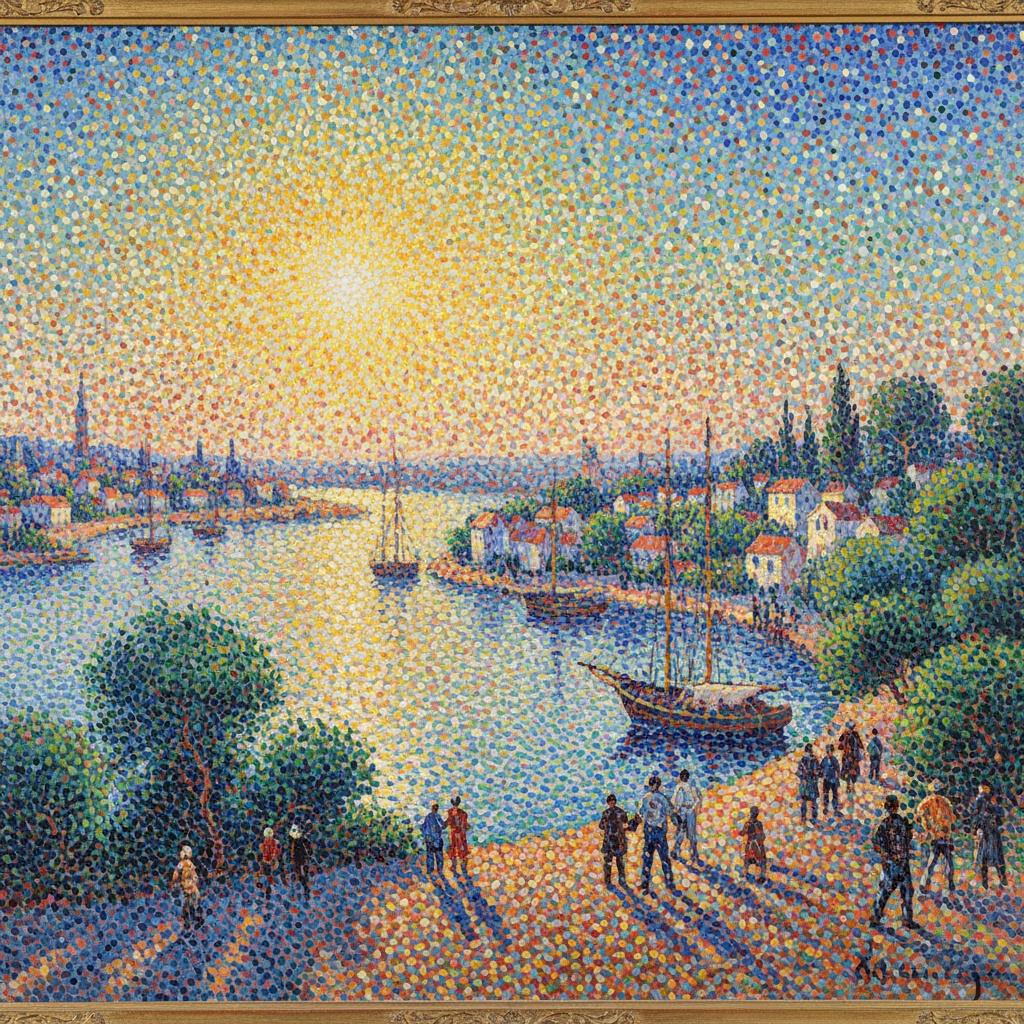
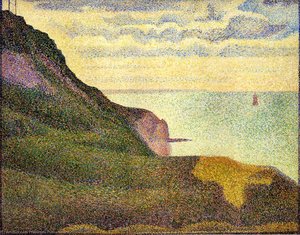
At the very heart of this movement lay a revolutionary concept known as Pointillism. This technique was far more than a stylistic choice; it was a sophisticated application of contemporary optical science. Rather than blending pigments on a palette to create secondary colors—a process that can sometimes dull the vibrancy of the paint—the Neo-Impressionists utilized the principle of optical mixing. By placing small, distinct dots of pure, unadulterated color in close proximity, they allowed the viewer's own eye to perform the work of blending.When one stands before a true Pointillist masterpiece, the magic is undeniable. A field of yellow dots placed alongside cerulean blue does not merely appear green; it vibrates with a luminous intensity that traditional mixing could never achieve. This scientific approach to color theory turned the act of viewing into an active, physiological experience. The eye becomes a participant in the creation of the image, weaving together disparate points of light into a cohesive, shimmering reality.
Masters of the Dot: Georges Seurat and the Architects of Stippling
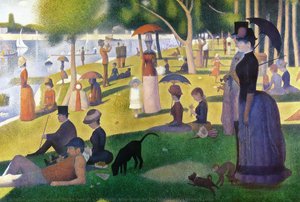
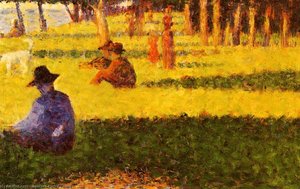
No discussion of this luminous revolution would be complete without honoring the pioneer who orchestrated this symphony of dots: Georges Pierre Seurat. It was Seurat who elevated stippling from a mere technique to a profound artistic philosophy. His work, most notably the monumental A Sunday on La Grande Jatte, serves as the definitive blueprint for the movement. Through his meticulous application of pigment, he achieved a sense of monumental stillness and classical grandeur that redefined modern art.Alongside Seurat, other dedicated architects of this style contributed to the movement's depth:
- Georges Lemmen, whose vibrant landscapes brought the Pointillist touch to the Belgian terrain.
- The broader circle of Neo-Impressionists who embraced the structured beauty of stippling to capture the pulse of urban life.
- Artists who utilized works like Cirque to demonstrate how movement could be captured through static, precise points of color.
Atmospheric Vibrancy: Capturing Movement through Meticulous Detail
There exists a fascinating paradox within Pointillism: how can a technique composed of static, unmoving dots capture the dynamic essence of movement and atmosphere? The answer lies in the tension between the microscopic and the macroscopic. While each individual dot is fixed and precise, the collective arrangement creates a sense of vibrancy and atmospheric depth that feels remarkably alive. In works such as Les Poseuses, one can sense the warmth of the sun and the gentle breeze through the careful orchestration of color temperature.The meticulous detail required for such work is staggering. Every inch of the canvas is a testament to patience and academic excellence. This precision allows for a unique kind of texture—a tactile quality that gives the artwork a three-dimensional presence. When viewed closely, the painting reveals its complex, granular architecture; when viewed from a distance, it dissolves into a breathtakingly smooth and atmospheric landscape. It is this duality that allows the Neo-Impressionist works to capture both the physical reality of the subject and the ethereal quality of light.
A Lasting Luminosity: The Enduring Legacy of the Neo-Impressionist Revolution
The legacy of the Neo-Impressionist revolution continues to illuminate the halls of art history and the private collections of enthusiasts worldwide. The movement's emphasis on structure, science, and the transformative power of light paved the way for much of the modern art that followed. Today, we find ourselves still captivated by the shimmering surfaces and the profound, quiet energy of these stippled masterpieces. They remind us that beauty is often found in the most disciplined of forms.At ArtsDot.com, we share this enduring passion for the masters. We specialize in bringing this luminous history into the modern home through our exquisite range of hand-painted oil reproductions and museum-quality prints. Whether you seek a bespoke commission that reimagines your own memories in the style of Seurat or a textured Giclée print that captures the very soul of Pointillism, our artists are dedicated to preserving the brilliance of this extraordinary era for generations to come.