Introduction: The Dawn of Inner Experience
Expressionism is a modernist movement, initially in poetry and painting, originating in Northern Europe around the beginning of the 20th century. Its typical trait is to present the world solely from a subjective perspective, distorting it radically ...
The early years of the 20th century witnessed a seismic shift in artistic perception, a turning away from the meticulous rendering of external reality towards an exploration of the tumultuous landscape within. This was the birth of Expressionism – not merely a style, but a visceral cry for authenticity, a rejection of academic convention in favor of subjective experience. Where Impressionism sought to capture fleeting moments of light and color, Expressionism delved into the depths of human emotion, often raw, unsettling, and profoundly personal. It wasn’t about what things *looked* like, but how they *felt*. This movement, born from a sense of societal upheaval and individual alienation, would forever alter the course of modern art.
The Subjective Revolution: Rejecting Reality for Emotional Truth
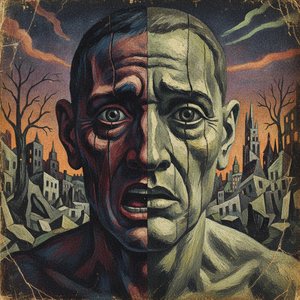
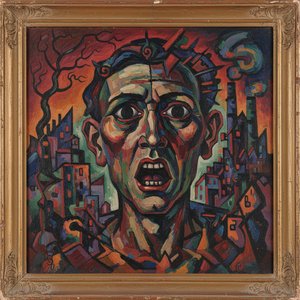
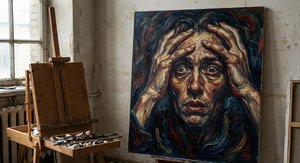
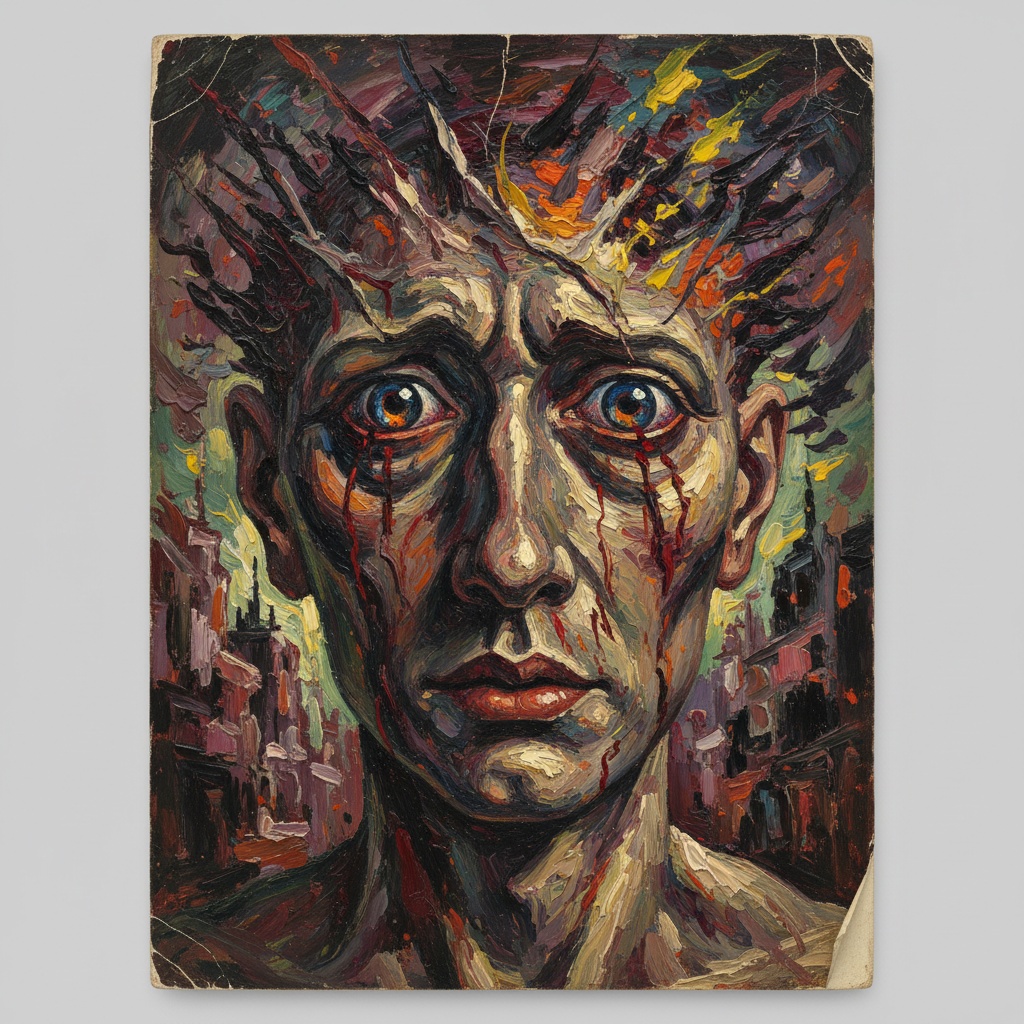
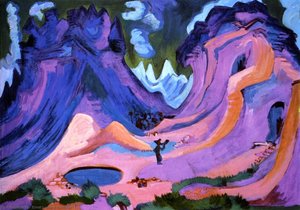
To understand Expressionism is to grasp its fundamental premise: the distortion of form isn’t an accident, but a deliberate strategy. Artists weren't interested in mirroring the world; they aimed to *express* their emotional response to it. This often manifested as jarring color palettes – clashing reds and blues, sickly greens and oppressive blacks – employed not for representational accuracy, but for psychological impact. Figures were elongated, faces contorted into masks of anguish or ecstasy, landscapes rendered with a feverish intensity. The influence of philosophers like Friedrich Nietzsche, who challenged traditional morality and celebrated the individual will, is palpable. Artists sought to bypass rational thought, tapping directly into primal emotions – anxiety, despair, loneliness – and translating them onto canvas. This was an art born not from observation, but from inner turmoil.
Die Brücke & Der Blaue Reiter: Forging New Paths in Dresden and Munich
Die Brücke (German pronunciation: [diː ˈbʁʏkə] , "The Bridge"), also known as Künstlergruppe Brücke or KG Brücke, was a group of German expressionist artists formed in Dresden in 1905. The founding members were Fritz Bleyl, Erich Heckel, Ernst Ludwig...
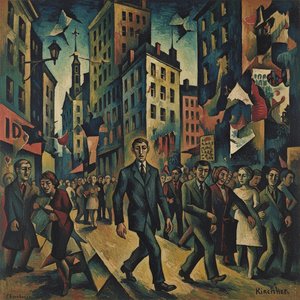
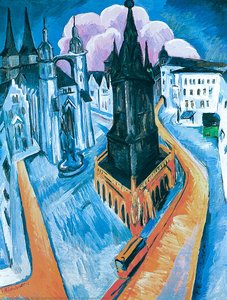
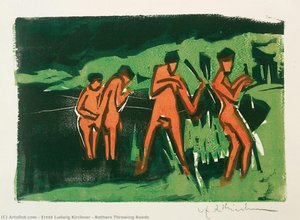
The seeds of Expressionism were sown in two pivotal groups: Die Brücke (The Bridge), founded in 1905 in Dresden, and Der Blaue Reiter (The Blue Rider), which emerged in Munich a few years later. Die Brücke, with founding members Fritz Bleyl, Erich Heckel, Ernst Ludwig Kirchner, and Karl Schmidt-Rottluff, was characterized by its urban focus – depictions of bustling city streets, often imbued with a sense of alienation and moral decay. Their woodcuts, deliberately crude and forceful, echoed the raw energy of their paintings. They sought to create a community, rejecting bourgeois values and embracing a more primal way of life. Der Blaue Reiter, spearheaded by Wassily Kandinsky and Franz Marc, took a more spiritual turn, exploring abstraction as a means of conveying inner states. While both groups shared a rejection of naturalism, they diverged in their approaches – Die Brücke grounded in the tangible world, Der Blaue Reiter reaching for the transcendent.
Key Characteristics: Distortion, Color, and the Primitivist Influence
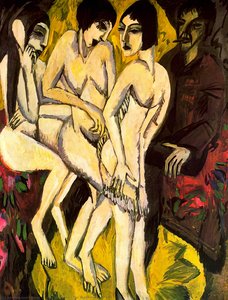
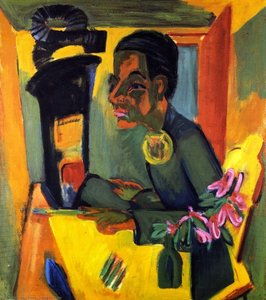
Several hallmarks define the Expressionist aesthetic. Distortion is perhaps the most immediately recognizable feature; figures are often elongated or angular, perspectives skewed, and proportions deliberately altered to convey emotional weight. The use of color is equally striking – vibrant, non-naturalistic hues chosen for their psychological impact rather than descriptive accuracy. This wasn’t simply about aesthetic preference; it was a conscious attempt to evoke specific moods and feelings. A profound fascination with Primitivism also played a crucial role. Artists were drawn to the raw power of African masks, Oceanic art, and medieval woodcuts – forms untainted by Western academic tradition. These influences offered an alternative aesthetic vocabulary, one that prioritized emotional expression over technical refinement. Ernst Ludwig Kirchner’s paintings, for example, often feature figures with mask-like faces, reflecting this interest in non-Western artistic traditions.
Expressionism Beyond Painting: Literature, Theatre, and Film
The impact of Expressionism extended far beyond the canvas. In literature, playwrights like August Strindberg explored themes of psychological torment and societal alienation, paving the way for Expressionist drama. Frank Wedekind’s plays, with their shocking subject matter and unconventional structures, challenged theatrical conventions. The movement also found fertile ground in film, particularly German cinema during the Weimar Republic. Films like *The Cabinet of Dr. Caligari* (1920) employed distorted sets, dramatic lighting, and exaggerated acting to create a nightmarish atmosphere that perfectly captured the anxieties of the post-war era. These works shared a common thread: a rejection of realism in favor of subjective experience, a willingness to confront uncomfortable truths, and a fascination with the darker aspects of human nature.
The Lasting Impact: Expressionism's Echoes in Modern Art
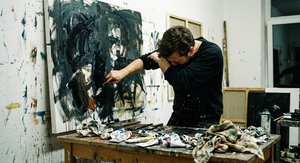
Though its initial fervor waned with the rise of Nazism in Germany, Expressionism’s influence continues to resonate throughout modern art. Its emphasis on emotional intensity paved the way for Abstract Expressionism in post-war America, and its exploration of psychological themes can be seen in the work of artists like Francis Bacon and Lucian Freud. The movement's legacy lies not just in its distinctive aesthetic, but in its unwavering commitment to subjective truth. Expressionism reminded us that art isn’t simply about what we see, but how we feel – a powerful message that continues to inspire artists today. At ArtsDot.com, you can explore high-quality reproductions of Expressionist masterpieces, bringing the raw emotion and enduring power of this revolutionary movement into your own home.