Introduction: The Enduring Symbolism of Power
The human fascination with power—its acquisition, display, and ultimately, its representation—has been a driving force behind artistic creation for millennia. From the monumental sculptures of ancient rulers to the intimate portraits of Renaissance princes, art has served not merely as a reflection of authority, but as an active agent in constructing and perpetuating it. This is not simply about depicting those *in* power; it’s about visualizing power itself – its weight, its legitimacy, its very essence. The enduring appeal of these works lies not just in their aesthetic beauty, but in the complex narratives they weave, revealing a profound understanding of human psychology and societal structures. To truly appreciate a masterpiece is to decode the subtle language of dominion embedded within its brushstrokes and compositions.
Renaissance Portraits: Constructing Authority Through Likeness
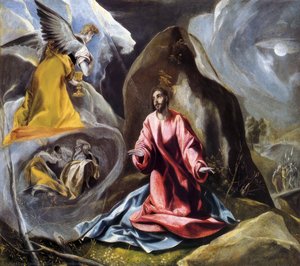
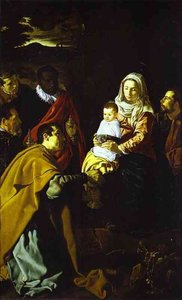 The Adoration of the Magi
Delve into Diego Velázquez's iconic 'The Adoration of the Magi,' a Baroque masterpiece capturing biblical reverence with luminous chiaroscuro and meticulous detail. Explore its legacy at Museo del Prado.
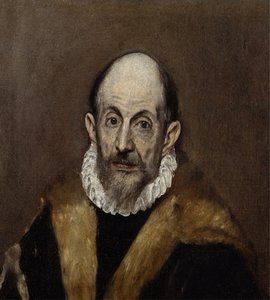
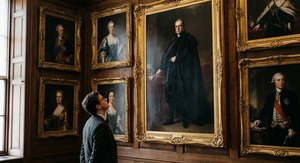
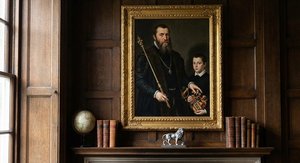
The Renaissance witnessed a seismic shift in how power was portrayed. Prior to this era, depictions often focused on religious iconography or generalized allegorical figures. The 15th and 16th centuries, however, saw the rise of individualized portraiture—a deliberate move towards celebrating human agency and status. Artists like Diego Velázquez, with his iconic “The Adoration of the Magi,” subtly imbued their subjects with an air of authority through masterful use of light and shadow, meticulous detail, and carefully chosen settings. Consider how the gaze of a sitter, rendered with uncanny realism, could command attention and project confidence. The very act of commissioning a portrait became a statement—a declaration of wealth, influence, and cultural sophistication. Beyond mere physical resemblance, Renaissance portraits were meticulously constructed narratives designed to solidify social standing and immortalize lineage. The fabrics worn, the objects held, even the background landscapes all contributed to a carefully curated image of power.
Iconography & Allegory: Deciphering the Language of Rule
Iconography, as a branch of art history, studies the identification, description and interpretation of the content of images: the subjects depicted, the particular compositions and details used to do so, and other elements that are distinct from arti...
But representation wasn’t solely about realistic depiction; it was deeply rooted in iconography and allegory—a complex visual language understood by contemporary audiences. Symbols, motifs, and classical references were employed to convey layers of meaning beyond the immediately visible. A laurel wreath signified victory, a lion represented courage, and specific flowers carried coded messages of fidelity or prosperity. Peter Paul Rubens’s “The Birth of Marie de' Medici” is a prime example; it isn’t simply a depiction of childbirth but a carefully orchestrated allegory celebrating the legitimacy of the French monarchy through classical mythology and opulent symbolism. Understanding these visual cues requires a deep dive into the historical context—a knowledge of prevailing beliefs, political ideologies, and artistic conventions. The ability to ‘read’ these images was itself a mark of social status, reinforcing the power structures they sought to represent. Hans Holbein the Younger's “The Ambassadors” provides another compelling example, laden with hidden symbols that speak volumes about the anxieties and ambitions of the era.
Self-Portraiture as a Claim to Agency and Legacy
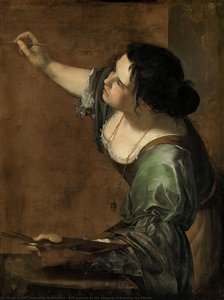
Self-portraiture, or Autoportraiture is the field of art theory and history that studies the history, means of production, circulation, reception, forms, and meanings of self-portraits. Emerging in Antiquity and becoming popular from the Renaissance ...
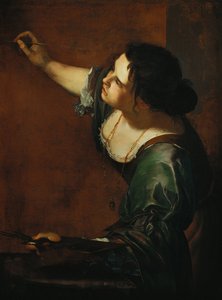
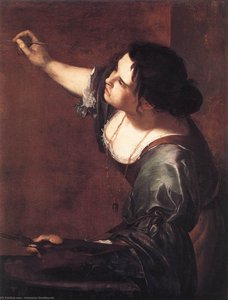
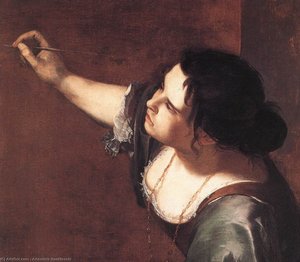
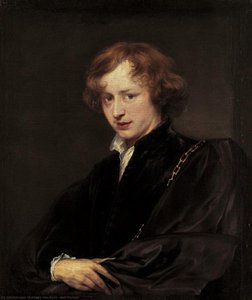
While commissioned portraits served the interests of patrons, self-portraiture emerged as a powerful means for artists themselves to assert their agency and claim a place within the historical narrative. Artists like Lucas Cranach the Elder not only documented their own likenesses but also explored themes of identity, mortality, and artistic skill. This wasn’t merely an exercise in vanity; it was a deliberate act of self-promotion—a way to establish their reputation and secure future commissions. The gaze directed at the viewer, the tools of the trade prominently displayed, all served to emphasize the artist's intellectual prowess and creative mastery. Later masters like Rembrandt van Rijn took this practice even further, producing an astonishing series of self-portraits that chart his emotional and physical evolution over decades—a profound exploration of the human condition and a testament to the enduring power of artistic introspection.
Royal Commissions & Dynastic Propaganda: Art as Political Tool
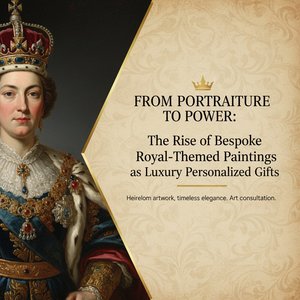
Throughout history, royal families have understood the potent persuasive power of art. Commissions weren’t simply about aesthetic embellishment; they were strategic investments in dynastic propaganda—designed to legitimize rule, project strength, and inspire loyalty. Rubens, for instance, was commissioned by Marie de' Medici to create a series of paintings celebrating her life and achievements, effectively constructing a carefully curated narrative that reinforced her position as Queen of France. Similarly, portraits of Infanta Isabella, the ruler of the Netherlands, were meticulously crafted to project an image of regal authority and unwavering piety. These artworks weren’t intended for passive contemplation; they were actively deployed in diplomatic circles and public spaces—powerful tools used to shape perceptions and consolidate power. The scale of these works, the lavish materials employed, and the prominent display locations all contributed to their persuasive impact.
Beyond Representation: The Subversion of Power in Artistic Forms
However, the relationship between art and power isn’t always one of straightforward endorsement. Throughout history, artists have also used their craft to subtly critique authority, challenge societal norms, and expose injustice. While overt rebellion was often dangerous, subtle symbolism, ambiguous narratives, and unconventional compositions could serve as powerful forms of resistance. The very act of choosing *what* to depict—or *how* to depict it—could be a subversive act. Even within seemingly conventional portraits, artists sometimes embedded hidden messages or challenged traditional notions of beauty and power. The enduring legacy of these works lies not only in their aesthetic brilliance but also in their ability to provoke thought, inspire dialogue, and remind us that art is never truly neutral – it’s always imbued with the values, beliefs, and aspirations of its creator and the society in which it was produced. At ArtsDot.com, we offer a curated selection of masterpieces that invite you to explore these complex narratives and discover the enduring power of visual storytelling.