The Rise of Caricature: A Georgian Social Commentary
The Georgian era was a period in British history from 1714 to c. 1830–1837, named after the Hanoverian kings George I, George II, George III and George IV. The definition of the Georgian era is also often extended to include the relatively short reig...
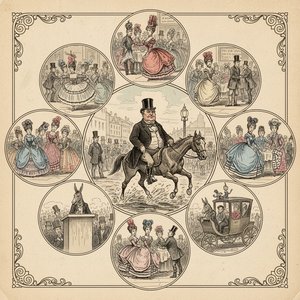
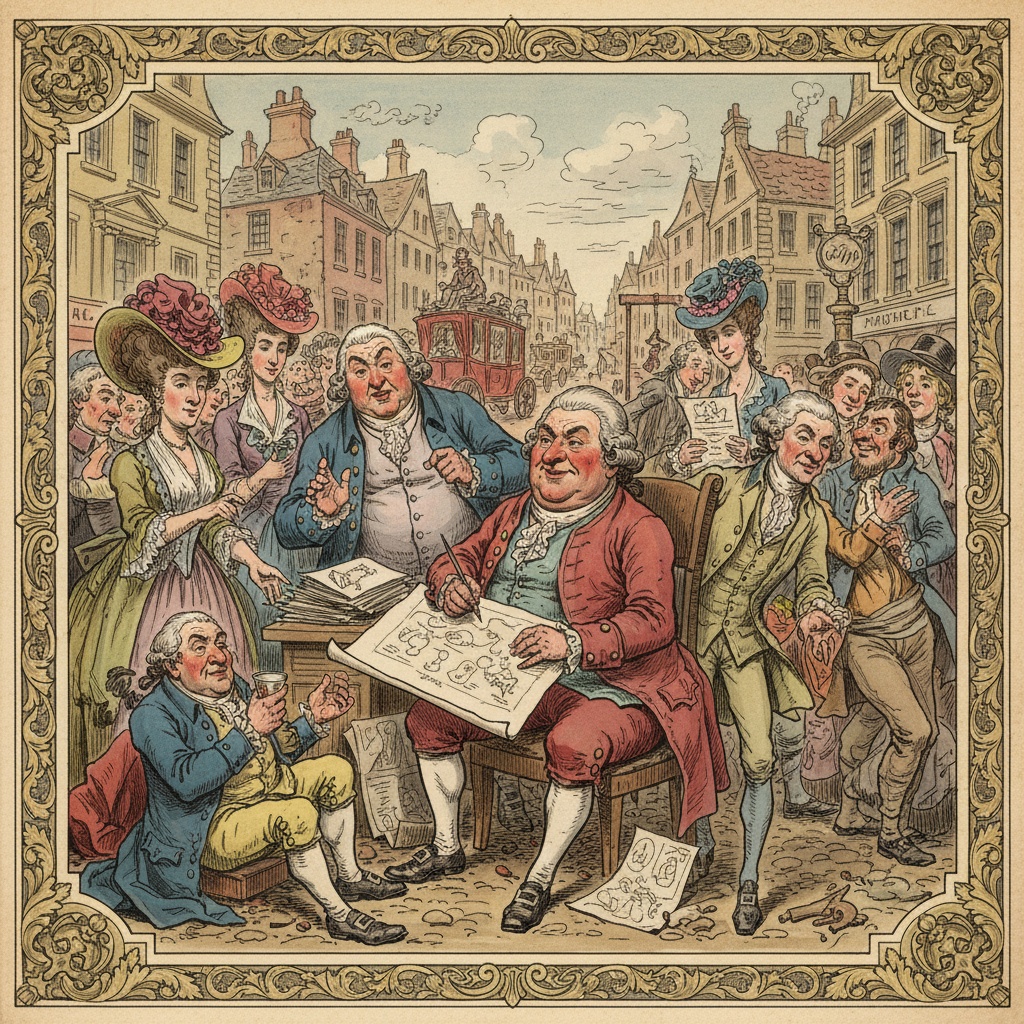
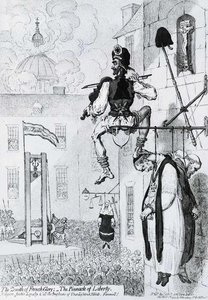
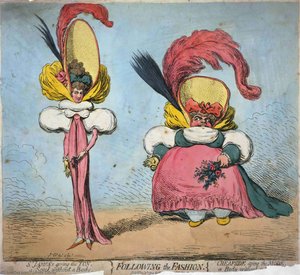
The late 18th and early 19th centuries witnessed a remarkable flourishing of caricature, particularly within the vibrant cultural landscape of England. This wasn’t merely an artistic trend; it was a societal eruption – a visual language born from burgeoning literacy rates, a restless public sphere, and a growing appetite for political critique. Before photography captured reality, artists like Thomas Rowlandson wielded pen and ink as potent weapons, skewering the pretensions of the aristocracy, lampooning the follies of everyday life, and holding power to account with unflinching wit. The Georgian era, defined by its elegance and excess, also harbored deep social anxieties – anxieties that found expression in the exaggerated forms and biting narratives of caricature. It was a period where public opinion mattered, and artists like Rowlandson became its most effective voice, shaping perceptions and fueling debate through their often-scandalous imagery.
Rowlandson's Life & Artistic Development: From Academy Student to Satirical Master
Born in 1756 (though records suggest a birthdate of July 13th rather than the commonly cited 1757) in London’s Old Jewry, Thomas Rowlandson’s path to artistic renown was not without its early struggles. His father's financial misfortunes led to a peripatetic childhood, but an inheritance from his aunt provided the crucial opportunity for formal training at the prestigious Royal Academy. While he exhibited promise as a student of historical and figure drawing, it was during his time in Paris that Rowlandson truly began honing the skills that would define his career – a keen eye for observation and a remarkable ability to capture character. However, it wasn’t until returning to London and encountering the likes of James Gillray and Henry William Bunbury that he fully embraced caricature as both an artistic medium and a viable profession. His early works showcased technical skill, but it was his willingness to abandon conventional aesthetics in favor of exaggeration and humor that set him apart. He quickly became known for his robust style, unafraid to depict the bawdy realities of Georgian life – a quality that simultaneously attracted and scandalized audiences.
Political Punchlines: Rowlandson’s Scathing Depictions of Power and Governance
Rowlandson's caricatures were rarely subtle. He fearlessly targeted prominent figures, from the Duchess of Devonshire and William Pitt the Younger to Napoleon Bonaparte, transforming them into objects of ridicule with masterful precision. His prints weren’t simply portraits; they were scathing indictments of character and policy. The Plumb Pudding in Danger, a particularly famous example, brilliantly encapsulates the geopolitical tensions of the Napoleonic Wars, depicting Pitt and Napoleon carving up the globe like a Christmas pudding – a potent symbol of imperial ambition and ruthless competition. Beyond specific individuals, Rowlandson also satirized the excesses of Parliament, the corruption within the legal system, and the often-hypocritical morality of the upper classes. He understood that laughter could be a powerful tool for dissent, and his work consistently challenged the established order, prompting both outrage and widespread circulation. His ability to distill complex political issues into easily digestible visual narratives made him an incredibly influential figure in shaping public opinion.
Beyond Politics: Everyday Life, Manners, and Morality in Rowlandson’s Work
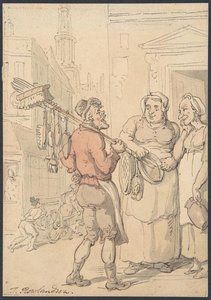 Street Scene. Vendor of Brushes
Explore Thomas Rowlandson’s ‘Street Scene.’ A witty 18th-century ink drawing capturing Georgian London's vibrant street life & social commentary. Discover a unique piece of British art history.
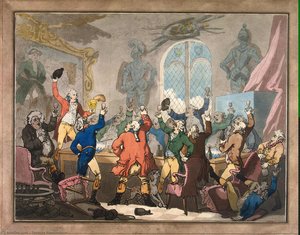
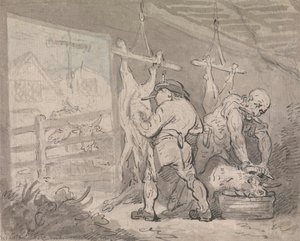
While renowned for his political satire, Rowlandson's artistic scope extended far beyond the halls of power. He possessed a remarkable talent for capturing the nuances of everyday life in Georgian London – from the bustling street scenes filled with vendors and pedestrians to the intimate interiors of taverns and drawing rooms. Street Scene. Vendor of Brushes, for example, offers a witty glimpse into the vibrant commercial activity of the city, while his depictions of fashionable society reveal a keen understanding of manners, pretensions, and social climbing. He didn’t shy away from depicting the less glamorous aspects of life either – poverty, drunkenness, and the often-cruel realities faced by those on the margins of society. Smithy, with its depiction of working-class life, provides a stark contrast to his more opulent scenes, highlighting the social disparities that characterized the era. Rowlandson’s work wasn't simply about mocking individuals; it was about holding up a mirror to society as a whole, exposing its flaws and contradictions.
Techniques & Style: The Artistry Behind the Exaggeration
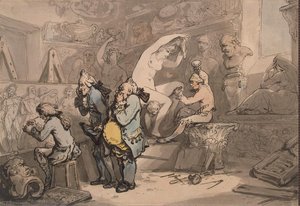
The power of Rowlandson’s caricatures lies not just in their subject matter but also in his masterful technique. He employed a variety of methods – etching, aquatint, and woodcut – to create images that were both visually striking and incredibly detailed. His lines are often bold and expressive, conveying movement, emotion, and personality with remarkable economy. He wasn’t afraid to distort proportions, exaggerate features, and employ symbolic imagery to amplify his message. Simple Bodily Pain, from Le Brun Travested, demonstrates his skill in woodcut, offering a biting critique of medical procedures through exaggerated anatomy and satirical commentary. His use of shading and texture adds depth and realism to his work, while his compositions are often dynamic and engaging, drawing the viewer’s eye to key elements within the scene. Rowlandson's artistry wasn’t simply about creating funny pictures; it was about using technical skill to convey a powerful message with maximum impact.
Rowlandson's Enduring Legacy: Influence on Modern Satire and Visual Culture
Thomas Rowlandson died in 1827, leaving behind an extraordinary body of work that continues to resonate today. His influence can be seen in the development of political cartoons, graphic novels, and contemporary satire. His willingness to challenge authority, his keen eye for observation, and his masterful technique have inspired generations of artists and commentators. The principles he pioneered – exaggeration, symbolism, and biting wit – remain central to the art of visual critique. Moreover, Rowlandson’s work provides invaluable insights into the social, political, and cultural life of Georgian England, offering a unique window into a fascinating and complex era. His prints are not merely historical artifacts; they are timeless reflections on human nature, power dynamics, and the enduring allure – and absurdity – of societal conventions. At ArtsDot.com, we celebrate Rowlandson’s legacy by offering high-quality reproductions of his most iconic works, allowing you to bring a touch of Georgian wit and social commentary into your own home.