The Narrative Thread: Art as the Silent Ambassador of Brand Identity
 Elevate Hotel Luxury: Transform Your Space with Curated Impressionist Art Collections
The Soul of Hospitality: Art as a Narrative Tool for Luxury Hotels Elevating Hospitality Aesthetics: A Bespoke Art Curation Service for Luxury Hotels The Evolving Role of Art in Luxury Hospitality Pharmacy of Hôtel-Dieu Hospital The Pharmacy of Hôtel...
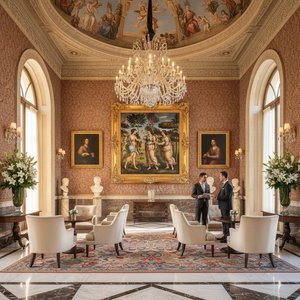
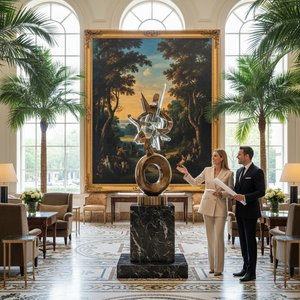
In the rarefied air of luxury hospitality, true distinction is rarely found in the mere accumulation of expensive amenities. The discerning traveler, seeking refuge from the frenetic pace of modern existence, looks for something far more profound than gold-plated fixtures or high-thread-count linens; they seek an atmosphere that whispers of story, culture, and soul. For the visionary hotel designer, a wall is never merely a boundary; it is a canvas awaiting a narrative. When a space is curated with intention, art acts as the silent ambassador of the guest experience, anchoring a brand identity in historical continuity and sophisticated elegance. To enter a room adorned with fine art is to step into a curated narrative, where every brushstroke and pigment choice whispers a story of heritage and personal identity.
The strategic deployment of art allows for the creation of an emotional connection that remains with the guest long after their departure, imbuing the property with an air of established authority and timelessness. Whether it is the commanding presence of Baroque realism or the delicate intimacy of the Impressionist movement, the selection of artwork serves as a fundamental pillar of brand storytelling. By integrating fine art, designers can establish an emotional resonance that lingers in the memory, turning every corridor into a gallery and every suite into a personalized retreat. This is the essence of the art concierge experience—a sophisticated bridge between a designer’s intimate vision and the physical manifestation of beauty.
From Decoration to Destination: The Psychological Impact of Curated Masterpieces
 The Art Concierge: Bespoke Impressionist Curation for the Discerning Collector’s Home and Office
The Soul of the Space: Defining the Art Concierge Experience Art Concierge: The Ultimate Luxury Service for Curating Your Home or Office The Essence of Curation: Defining the Art Concierge Experience In the rarefied world of high-end interior design,...
There is a profound psychological shift that occurs when a space moves from being decorated to being curated. Randomly placed frames, often chosen for mere color coordination, can feel transient and hollow, contributing to a sense of "placelessness" that plagues many modern commercial interiors. In contrast, a thoughtfully curated collection acts as an unspoken dialogue between the host and the guest, weaving a narrative that transforms a transient lobby into a sanctuary of meaning. Historically, grand hotels mirrored the collections of the wealthy elite, showcasing status and refined taste. Today, this tradition has evolved into a strategic tool for creating destinations of substance.
The power of curation lies in its ability to manipulate mood through visual stimuli. Consider the impact of utilizing structured, classical compositions to guide the eye in grand lobbies, establishing a focal point that commands respect and instills a sense of permanence. Conversely, in more intimate spaces, the use of art can foster connection and conversation. When a space is imbued with art, it gains a depth that no amount of modern furniture can replicate. This intentionality transforms the guest's journey from simple occupancy to an immersive experience, where the environment itself becomes a participant in their stay, fostering a sense of belonging and cultural appreciation.
The Impressionist Influence: Utilizing Light and Texture to Define Spatial Atmosphere
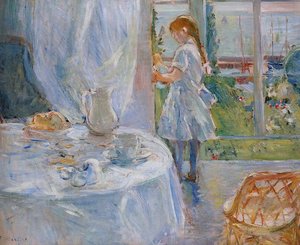 Cottage Interior (also known as Interior at Jersey)
Cottage Interior (also known as Interior at Jersey) by Berthe Morisot Berthe Morisot was a renowned French painter and a prominent figure in the Impressionist movement. Her painting, Cottage Interior (also known as Interior at Jersey) , is a beautifu...
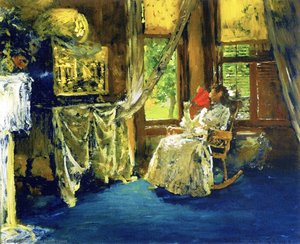
While the Renaissance offers structure and prestige, the Impressionist and Post-Impressionist movements offer something equally vital to the modern hotelier: atmosphere and tranquility. The Impressionist masters—Monet, Renoir, Pissarro, and Morisot—specialized in capturing the fleeting, the luminous, and the ephemeral. For a designer, these works are tools of light and color psychology. The use of Impressionistic textures can enhance guest tranquility, using soft, broken brushstrokes to create a shimmering effect that captures the play of light on surfaces, much like the warmth found in William Merritt Chase’s
Interior, Oak Manor.
The mastery of light is particularly potent in hospitality design. A painting such as Berthe Morisot’s
Cottage Interior can introduce a sense of serenity and innocence through its soft pastel tones and gentle play of light, making it an ideal companion for wellness-focused retreats or boutique lounges. Furthermore, the Post-Impressionist approach, seen in the works of Jean-Édouard Vuillard, allows designers to construct harmonious visual environments through bold color and decorative patterns. By utilizing these techniques, a designer can manipulate the perceived temperature and energy of a room—using cool blues and whites to evoke calm, or warm ochres and reds to create an inviting, hearth-like warmth. This level of sensory control is what separates a well-decorated room from a masterfully designed environment.
Strategic Curation vs. Random Selection: Building Permanence through Historical Continuity
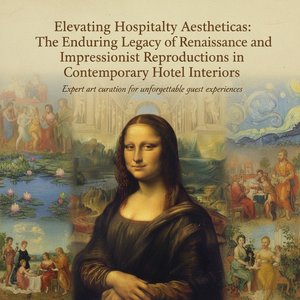 Elevating Hospitality Aesthetics: The Enduring Legacy of Renaissance and Impressionist Reproductions in Contemporary Hotel Interiors
The Enduring Appeal of Renaissance Masters in Modern Hospitality until Angel with Candlestick Michelangelo’s ‘Until Angel with Candlestick’ – a stunning 1501 marble sculpture. Explore its chiaroscuro, serene beauty & Renaissance mastery at AllPaintin...
The difference between a collection and a collection of frames lies in the concept of intentionality. In the high-stakes arena of luxury hospitality design, random selection can lead to visual fatigue and a lack of brand cohesion. Strategic curation, however, utilizes historical continuity to establish prestige. By integrating works that reference the enduring legacies of the Renaissance or the delicate intimacy of the Impressionist era, designers can create a sense of established authority. This is not about the accumulation of objects, but about finding those singular pieces that do not merely occupy space, but transform it, creating an immersive world where architecture and art exist in perfect, breathless harmony.
This strategic approach also allows for the "remixing" of art history to suit contemporary needs. A designer might choose to pair a structured, classical piece with a more modern, textured reproduction to create a dialogue between eras. This prevents the space from feeling like a museum period piece and instead makes it feel like a living, breathing collection. The goal is to establish an emotional resonance that lingers; by choosing art that possesses a sense of permanence and depth, the designer ensures that the hotel's identity is anchored in something much more durable than seasonal trends.
Bespoke Excellence: Tailoring Large-Scale Commissions and Custom Reproductions for Luxury Interiors
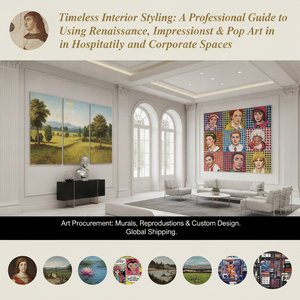 Timeless Interior Styling: A Professional Guide to Using Renaissance, Impressionist & Pop Art in Hospitality and Corporate Spaces
Establishing Prestige: The Strategic Role of Renaissance and Baroque Art in Luxury Hospitality Portois & Fix Company The Enduring Legacy of Portois & Fix: Vienna’s Masters of Rococo Revival In the opulent world of 19th-century Viennese decorative art...
For the most ambitious hospitality projects, the ultimate luxury lies in the bespoke. The modern hotel designer is no longer limited to what is available in a catalog; they have the ability to commission works that are as unique as the property itself. This includes everything from large-format murals and ceiling frescoes—painted on massive canvas rolls to recreate historical grandeur—to custom "multi-panel" sets that span wide architectural features like staircases or grand halls. These group set paintings, where colors and brushstrokes flow seamlessly across three, four, or five panels, provide a cohesive, modern architectural look that is impossible to achieve with standard framing.
Furthermore, the ability to customize through high-quality oil reproductions allows for unparalleled creative freedom. Through professional digital mockup services, designers can witness a composition before the first layer of pigment is applied, ensuring that colors match the specific palette of the interior design perfectly. This bespoke journey extends to "Period Shifts," where personal milestones or modern photographs can be transformed into masterpieces in the style of the great Impressionists. Whether it is a custom portrait for a presidential suite or a large-scale landscape that defines a lobby, these hand-painted works—characterized by visible brushstrokes and a deep tonal range—ensure that the art remains the heartbeat of the establishment, a lasting legacy of beauty and craftsmanship.
This article was prepared for ArtsDot.com.