
The Postwar Canvas: A World Transformed by Consumerism
To understand the sudden, vibrant eruption of Pop Art, one must first look back at the quiet, transformative years following the Second World War. It was an era defined by a profound shift in the very fabric of human existence. As the shadows of conflict receded, a new landscape emerged—one of unprecedented economic expansion and the steady rise of the middle class. In America, the suburban dream began to take shape, characterized by mass-produced homes and a newfound sense of stability. This was a time when the hum of the television replaced the crackle of the radio as the heartbeat of the household, and the airwaves were filled with the burgeoning sounds of rock and roll, a soundtrack for a generation finding its voice amidst social change.
Yet, beneath this veneer of prosperity, a subtle tension was brewing. The late 1950s and early-60s were marked by a cultural revolution, where the comforts of consumerism met the turbulence of political upheaval. As movements for civil rights and women’s liberation gained momentum, the traditional social orders began to feel increasingly stifling. It was within this unique intersection—where the abundance of mass-produced goods met a restless, questioning spirit—that the seeds of Pop Art were sown. Artists began to realize that the true subject of modern life was no longer found solely in the grand, historical narratives of the past, but in the very items sitting on their kitchen tables and the glossy images flickering on their screens.
Icons of the Everyday: Warhol, Lichtenstein, and the New Imagery
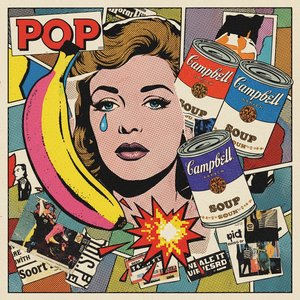
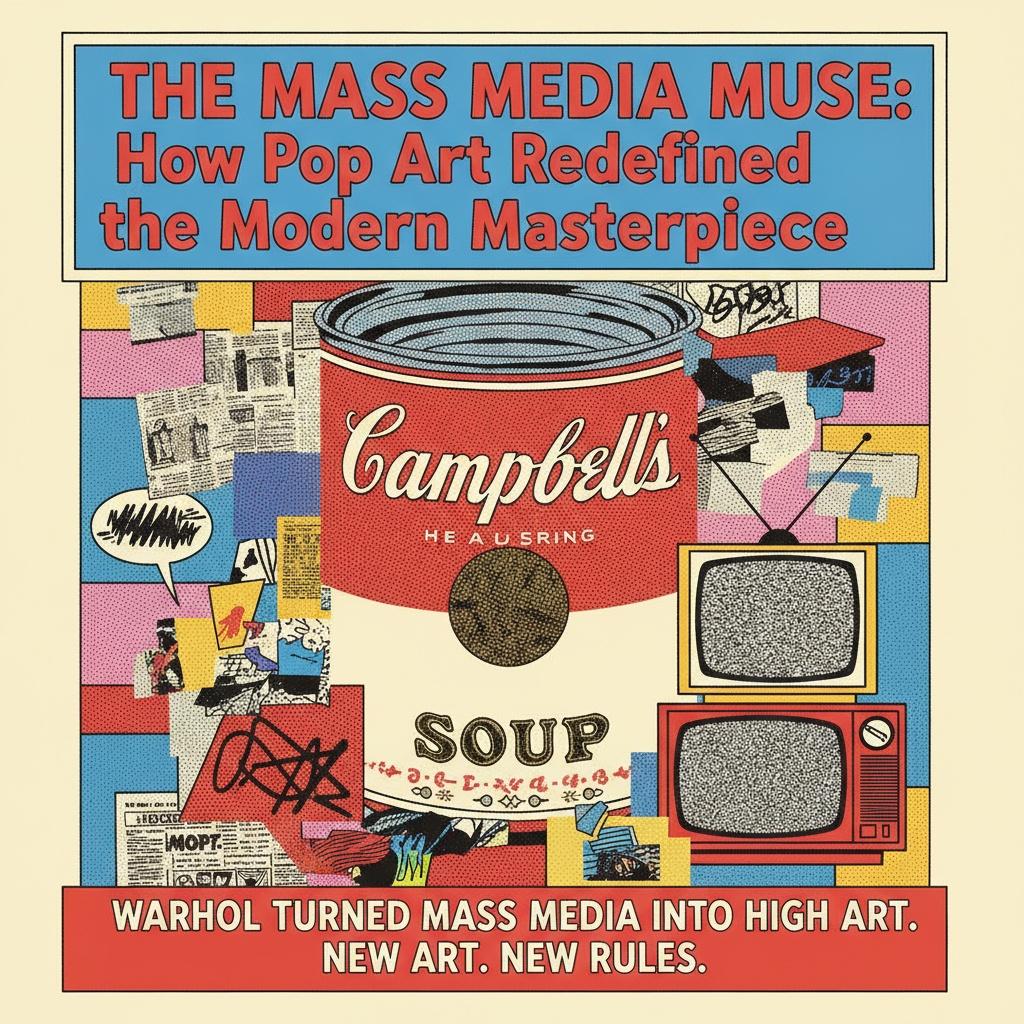
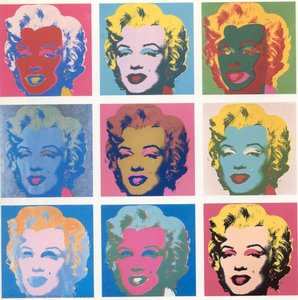
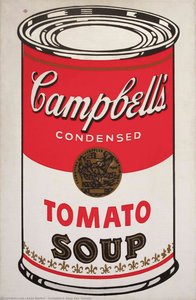
When we speak of this revolution, certain names inevitably rise to the surface, much like the iconic figures they sought to immortalize. Andy Warhol, perhaps the most luminous star of the movement, possessed an uncanny ability to find the divine in the mundane. Through his repetitive, almost hypnotic explorations of subjects like Campbell’s Soup Cans or the ethereal, tragic beauty of Marilyn Monroe, he stripped away the pretension of "high art." His work, often utilizing the mechanical process of silk-screening, mirrored the very mass production he depicted, blurring the line between a commercial advertisement and a museum masterpiece. In his hands, the celebrity and the consumer good became one and the same—symbols of a shared, media-saturated reality.
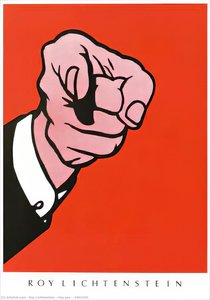
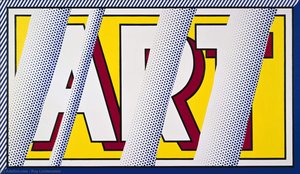
In parallel, Roy Lichtenstein offered a different, yet equally profound, perspective. He turned his gaze toward the printed page, specifically the comic books that populated the childhoods of many. By meticulously recreating the Ben-Day dots used in cheap commercial printing, Lichtenstein elevated the "low" culture of pulp fiction to the status of fine art. His works, such as Drowning Girl, utilized bold outlines and primary colors to explore themes of intense emotion and drama, all while maintaining a detached, graphic coolness. Alongside figures like Derek Boshier, who brought a uniquely British sensibility to social commentary through pop imagery, these artists forced the world to acknowledge that the "everyday" was worthy of the most profound artistic contemplation.
Breaking the Frame: How Mass Media Challenged Artistic Tradition
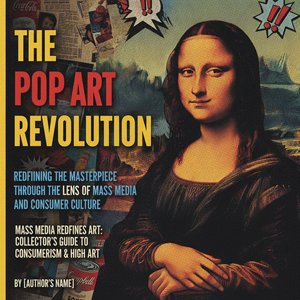
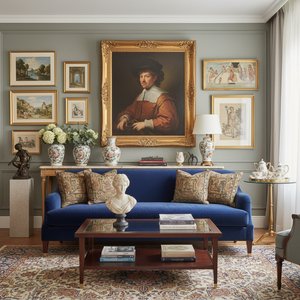
For centuries, the definition of a masterpiece was tethered to notions of technical virtuosity, historical gravity, and often, a certain degree of exclusivity. Pop Art arrived like a sudden burst of neon, shattering these long-held conventions. By drawing inspiration from advertisements, newspapers, and film, these artists challenged the very boundaries of what could be considered "worthy" of a canvas. They did not seek to escape reality through abstraction or romanticism; instead, they leaned directly into the noise of the modern world. This was an art of engagement, one that refused to look away from the pervasive influence of mass media messaging.
This movement effectively democratized the subject matter of art. The distinction between "high" and "low" culture began to dissolve as the imagery of the supermarket and the cinema screen entered the gallery space. This was not merely a change in subject, but a fundamental shift in the relationship between the viewer and the artwork. The Pop artist acted as a mirror, reflecting the consumerist landscape back to a society that was increasingly defined by what it consumed. In doing so, they created a new visual language—one that was accessible, immediate, and deeply rooted in the shared experience of modern life, forever altering the trajectory of art history.
The Aesthetic of Abundance: Color, Repetition, and Graphic Boldness
The visual impact of Pop Art is impossible to ignore; it is an aesthetic defined by its unapologetic boldness. Where previous movements might have favored subtle gradations and atmospheric light, Pop artists embraced saturated hues and sharp, graphic edges. There is a certain rhythmic energy found in the repetition of imagery—a technique famously employed by Warhol to suggest both the infinite availability of goods and the numbing effect of mass media. This use of repetition creates a sense of accumulation, mirroring the sheer volume of objects and images that flood our senses in a consumer-driven society.
This aesthetic of abundance is characterized by a certain "flatness" that rejects traditional depth in favor of impact. The heavy outlines reminiscent of Lichtenstein’s comic book style and the vibrant, often clashing color palettes serve to grab the viewer's attention instantly. It is an art form designed for the modern eye—an eye accustomed to the rapid-fire delivery of information through billboards, magazines, and television. Even when exploring movement or anonymity, as seen in Warhol’s untitled (25), the focus remains on the graphic power of the image itself, celebrating the strength of the line and the intensity of the pigment.
From Commercial Print to Gallery Wall: The Enduring Legacy of Pop Art
The legacy of the Pop Art revolution continues to resonate through the corridors of contemporary culture. It fundamentally changed how we perceive our surroundings, teaching us that beauty and meaning can be found in the most unexpected, mass-produced places. Today, we see its fingerprints everywhere—from the graphic design of modern branding to the way contemporary artists use digital media to critique social structures. The movement’s ability to bridge the gap between the commercial and the fine art worlds paved the way for the multi-disciplinary approaches we see in the 21st century.
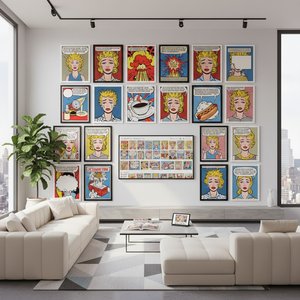
For the modern collector, Pop Art offers a vibrant connection to the pulse of history. It remains a powerful tool for decorating contemporary spaces, bringing a sense of energy, nostalgia, and intellectual depth to a home. Whether through the bold dots of Lichtenstein or the iconic portraits of Warhol, these works continue to provoke thought and inspire wonder. As we navigate our own era of digital saturation and globalized media, the lessons of Pop Art—to look closely at the everyday, to find the extraordinary in the ordinary—remain as vital and transformative as ever.
At ArtsDot.com, we celebrate this enduring passion for art history. While our hearts often dwell in the luminous light of the Impressionists, we recognize the profound impact of every movement that has shaped our visual world. We are dedicated to making the beauty of fine art accessible to all, offering museum-quality reproductions and bespoke services—from transforming your personal photos into hand-painted oil masterpieces to creating large-scale murals for modern architectural spaces. Whether you seek a timeless classic or a bold contemporary statement, our mission is to help you find the piece that speaks to your soul.