The Revolution of Light: From Studio Shadows to En Plein Air Brilliance
 Capturing Ephemeral Light: A Comprehensive Exploration of Plein Air Painting's History & Enduring Legacy
The Dawn of Direct Observation: From Studio Tradition to En Plein Air For centuries, the act of painting was inextricably linked to the studio—a controlled environment where artists meticulously crafted illusions of reality. Light was not experienced...
For centuries, the sanctity of the artist's studio served as a controlled sanctuary, a place where light was meticulously recreated through layers of varnish and academic convention. In these hallowed, walled spaces, landscapes were often mere stage settings—idealized, static, and secondary to the grand human dramas of mythology or religion. The natural world existed as a concept, an intellectual construction born from sketches and memory rather than the raw, unmediated pulse of life itself. However, a quiet rebellion began to stir in the 19th century, fueled by a burgeoning Romantic sensibility and a profound desire for authenticity that would forever alter our perception of reality.
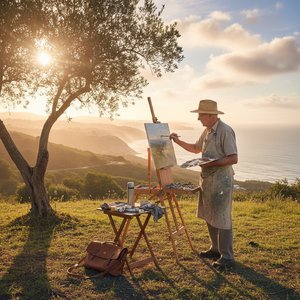
The true metamorphosis arrived with the practice of en plein air painting—the act of stepping beyond the studio doors to confront nature directly. This movement was not merely a change in location, but a fundamental shift in philosophy. Driven by innovators like Pierre-Henri de Valenciennes, who championed "landscape portraiture," artists began to view the outdoors as their primary subject. The invention of portable paint tubes played a pivotal role in this liberation, allowing painters to carry their pigments into the wind and rain. No longer was light something to be simulated; it became something to be captured in its most fleeting, ephemeral state. This transition from the studio's controlled shadows to the vibrant, unpredictable brilliance of the open air laid the groundwork for a revolution that would eventually dismantle the rigid hierarchies of the art academies.
Sun-Drenched Meadows: The Impressionist Mastery of Ephemeral Moments
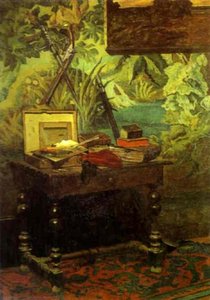
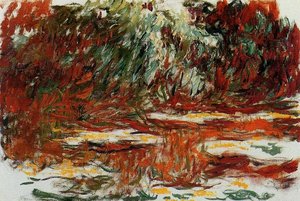
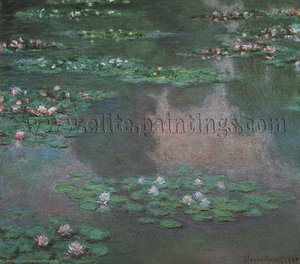
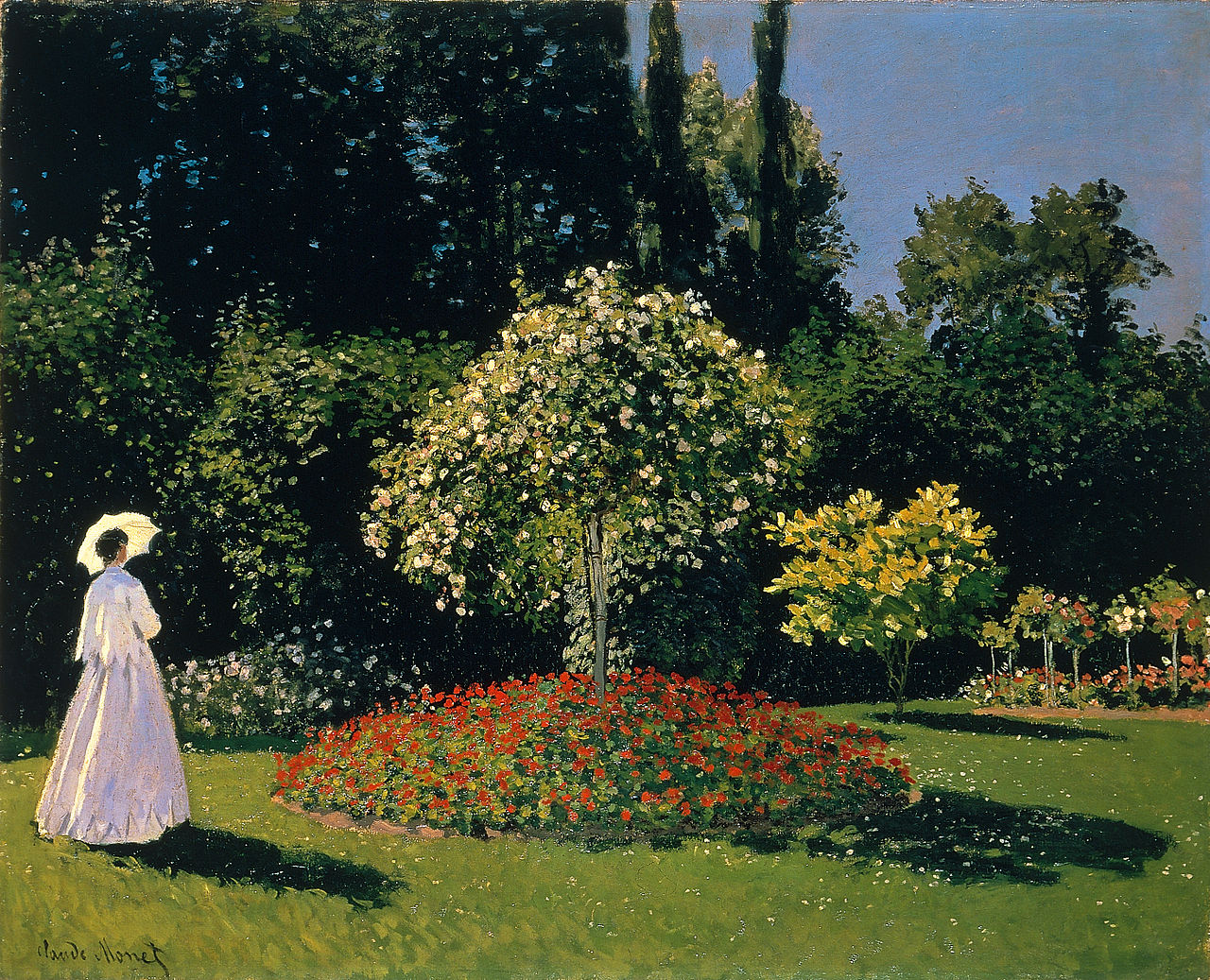 List of paintings by Claude Monet
This is a list of works by Claude Monet (1840–1926), including all the extant finished paintings but excluding the Water Lilies, which can be found here, and preparatory black and white sketches. Monet was a founder of French impressionist painting, ...
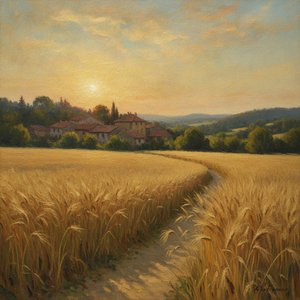
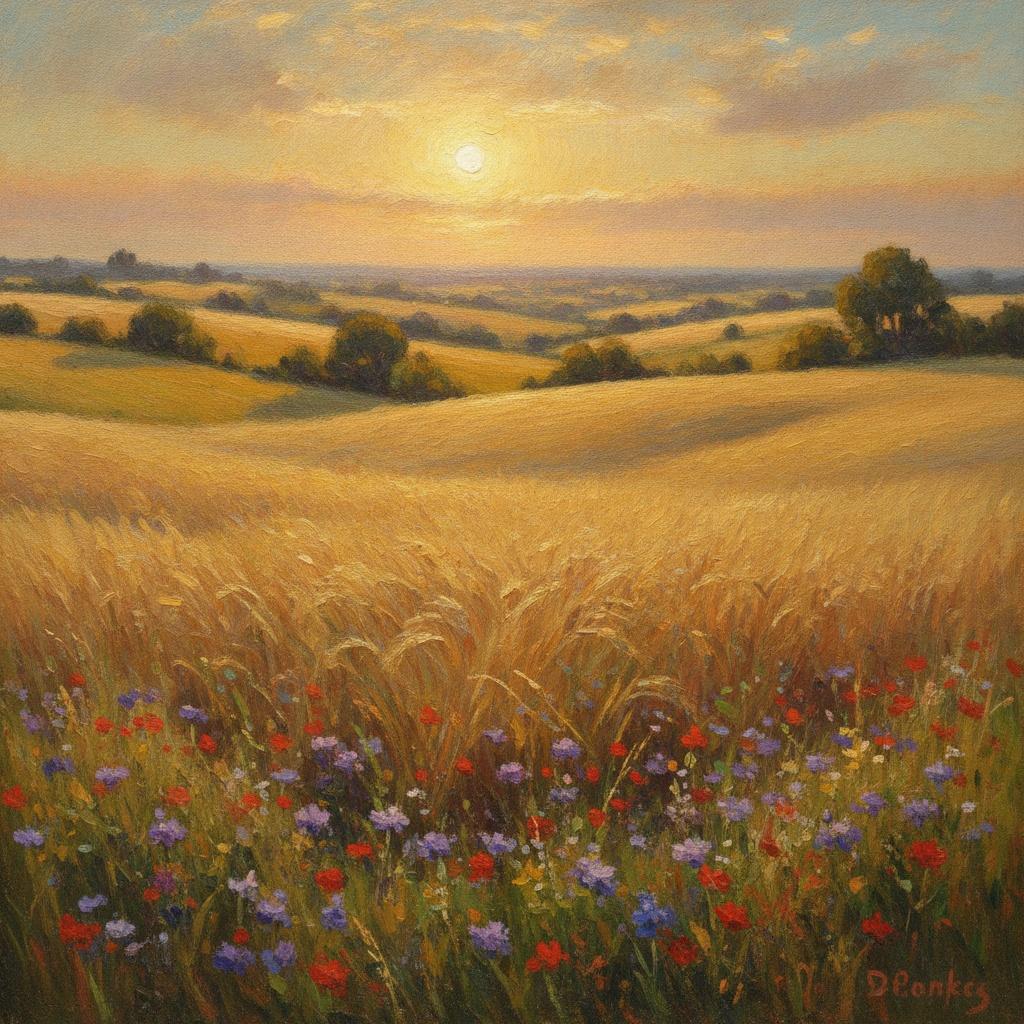
To gaze upon an Impressionist landscape is to step into a world transformed by a shimmering, subjective experience. For masters like Claude Monet, the goal was never to produce a literal, topographical map of a place, but rather to express one's perceptions before nature. The very essence of Impressionism—a term famously derived from Monet’s Impression, Sunrise—lies in this pursuit of the momentary. These artists sought to document the way sunlight dances across a hayfield at noon or how the morning mist softens the edges of a distant forest.
This mastery is most evident in their ability to render the "impression" of a scene through broken brushstrokes and a vibrant, unblended palette. In these sun-drenched meadows, the boundaries between earth and sky often seem to dissolve into a poetic haze. We see this beautifully executed in works that capture the rhythmic undulating hills or the way light filters through dense foliage. The Impressionists taught us that reality is not fixed; it is a fluid, breathing entity. By focusing on the effects of time, weather, and atmosphere, they turned the landscape into a vessel for tranquility and emotional resonance, inviting the viewer to feel the warmth of the sun on their skin and the gentle movement of the breeze through the grass.
Beyond the Horizon: Exploring the Emotional Depth of Post-Impressionist Landscapes
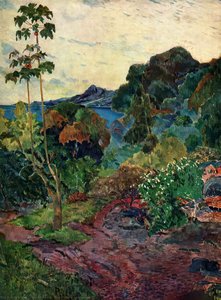 Martinique Landscape
Captivating Subject and Lush Landscape Immerse yourself in the vibrant beauty of a tropical paradise captured through the masterful brushwork of Paul Gauguin. This evocative scene depicts the lush, mountainous terrain of Martinique, where the natural...
As the Impressionist movement matured, a new generation of artists began to push beyond the mere observation of light, seeking instead to infuse the landscape with deeper symbolic and spiritual truths. While the Impressionists captured the eye, the Post-Impressionists sought to capture the soul. This era saw the landscape evolve from a sensory experience into a medium for profound emotional expression and even psychological exploration.
In these works, the landscape becomes a mirror for the internal world. The vastness of a rolling hill or the intensity of a tropical sunset serves as an anchor for the artist's subjective truth. This evolution marked a significant departure from the symbolic backdrops of the Renaissance; the natural world had finally become the protagonist, capable of carrying the weight of human longing, spirituality, and the profound mysteries of existence.
The Texture of Nature: Brushstrokes, Color, and the Sensation of Being
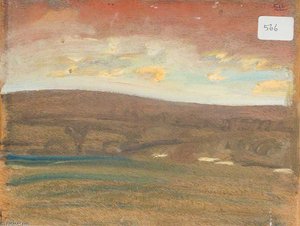 Landscape Study
An Impressionistic Whisper of the English Countryside In this evocative Landscape Study , Sir Alfred James Munnings invites the viewer into a world where the boundaries between earth and sky dissolve into a poetic haze. The painting captures a moment...
The true magic of an Impressionist masterpiece often resides in its tactile quality—the physical presence of the paint itself. To truly appreciate these works, one must look closely at the impasto technique, where thick, gestural strokes of oil create a textured surface that adds depth and movement to the canvas. This rugged texture is not merely a technical choice; it is an essential component of the sensory experience. It allows the viewer to feel the weight of the earth, the roughness of tree bark, and the fluid energy of flowing water.
The interplay of color in these landscapes is equally vital. Rather than using traditional blacks or heavy shadows, Impressionists utilized complementary colors to create luminosity. A deep orange in a field might be contrasted with soft, ethereal blues in the sky, creating a visual vibration that mimics the flickering quality of natural light. When we observe a piece like Sir Alfred James Munnings' landscape studies, we see how horizontal bands of warm earth tones are balanced by cool, atmospheric whites. This careful orchestration of color and texture ensures that the painting does not merely show a place, but communicates the very breath and rhythm of the landscape, making the viewer a participant in the scene rather than a mere observer.
Bringing the Meadow Home: Preserving the Impressionist Spirit in Modern Interiors
 Impressionistic Landscapes: 10 Masterpieces That Changed Art & Decor
Introduction To gaze upon these ten canvases is to step directly into a world transformed by light, color, and an unprecedented embrace of the fleeting moment. The Impressionistic Landscape movement wasn’t merely a shift in painting technique; it was...
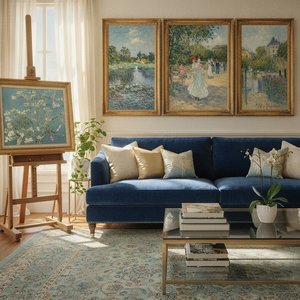
In our fast-paced, digital age, there is a profound, growing desire to reconnect with the stillness and beauty found in these historical masterpieces. Integrating the spirit of an Impressionist meadow into a modern home offers more than just decoration; it provides a window into a world of peace and contemplation. Whether through a large-scale multi-panel arrangement that spans a wide wall or a single, intimate study placed in a quiet reading nook, these works can transform the atmosphere of any living space.
For the discerning collector, the choice between a high-quality print and a hand-painted oil reproduction is one of soul and substance. While a Giclée print offers an accurate and durable depiction, a hand-painted oil reproduction brings the physical essence of the movement into your home. These bespoke pieces, created by master artists on 100% cotton canvas, retain the visible brushstrokes and the rich, tonal depth that define the original era. They allow you to "remix" history, perhaps even requesting a custom color match to complement your existing decor or transforming a personal memory into an Impressionistic vision.
At ArtsDot.com, we celebrate this enduring legacy. We specialize exclusively in the profound beauty of the Impressionist and Post-Impressionist movements, offering meticulously crafted reproductions that honor the techniques of Monet, Gauguin, and Van Gogh. Our mission is to ensure that the luminous, sun-drenched magic of these legendary landscapes remains accessible to all, allowing you to surround yourself with the timeless elegance of the masters.