

The Venetian Soul: A Republic Forged in Light and Water
 The Golden Light of Innovation: Exploring the Venetian Renaissance Art Movement (1430–1580)
A Republic Forged in Light: The Unique Context of Venetian Art Petrarch’s description of Venice as a “ mundus alter ,” another world, resonates deeply when considering the distinct artistic trajectory that unfolded within its lagoon city walls. Unlik...
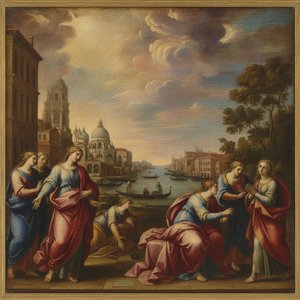
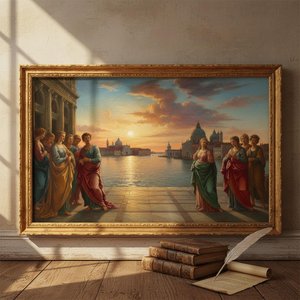
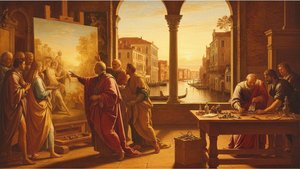
To truly understand the soul of the Venetian Renaissance, one must first surrender to the sensory experience of the city itself. Unlike the terrestrial ambitions of Florence or Rome—centers defined by rigid structures, intellectual rigor, and the weight of papal authority—Venice was a mundus alter, another world entirely. As Petrarch so eloquently described, it was a republic born of the sea, a maritime empire built upon a complex network of trade that connected the Orient with the West. This unique geopolitical position meant that Venice was not merely a political powerhouse, but a vibrant hub where the very air seemed saturated with moisture and light.
The constant dance of the Adriatic sun upon undulating canals and marble palaces created an environment where nothing remained static. The wealth of the Republic did not flow from vast land ownership, but from the movement of the sea, bringing with it an influx of exotic pigments, luxurious textiles, and Byzantine influences. This confluence of styles created a crucible for innovation, encouraging artists to move away from strict classical imitation and toward a visual language capable of capturing the ephemeral beauty and sensual richness of their watery home. In Venice, the landscape was never just a backdrop; it was a living, breathing participant in the art.
Colorito vs. Disegno: The Triumph of Pigment over Line
 The Venetian Renaissance: A Masterclass in Colorito, Light, and the Birth of Atmospheric Brilliance
The Venetian Vibe: A Republic Forged in Light and Water Venetian Renaissance: The Mastery of Color, Light, and the Art of Colorito The Venetian Atmosphere: A Republic Forged in Light and Water The Golden Light of Innovation: Exploring the Venetian Re...
In the grand dialogue of the Italian Renaissance, a profound tension existed between two competing philosophies: the Florentine disegno and the Venetian colorito. While the masters of Florence and Rome sought perfection through the precision of line, anatomical accuracy, and intellectual design, the Venetian school chose a different path. They gave primacy to color over line, prioritizing the sensory impact of pigment and the way light interacts with surface textures. This was not a lack of skill, but a deliberate, sophisticated choice to embrace the atmospheric reality of their surroundings.
The tradition of colorito allowed for a more fluid, emotive approach to storytelling. Rather than defining figures through sharp, sculptural outlines, Venetian painters used subtle gradations of hue and tone to suggest form. This technique allowed for a seamless integration between subject and setting, creating a sense of unity that felt organic rather than constructed. By focusing on the richness of color, artists could evoke the warmth of skin, the weight of velvet, and the shimmering translucence of water, inviting the viewer not just to observe a scene, but to feel its temperature and texture.
Titian the Titan: Mastering Emotion through Texture and Tone
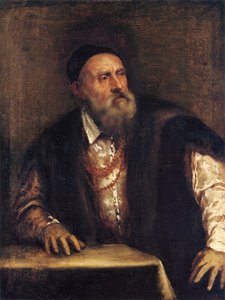 Titian
The Venetian Titan: A Life in Color and Canvas Tiziano Vecellio, known to the world as Titian, stands as a monumental figure of the Italian Renaissance—perhaps its most celebrated colorist and a master who redefined the possibilities of oil painting....
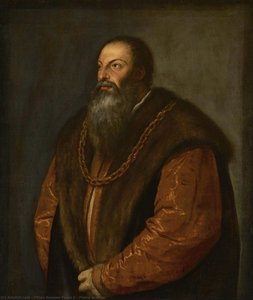
At the pinnacle of this movement stood Tiziano Vecellio, known to history as Titian, a monumental figure who redefined the possibilities of oil painting. Born amidst the dramatic landscapes of the Venetian Alps, his journey from humble beginnings to international acclaim is a testament to an unwavering dedication to artistic innovation. Titian was more than a painter; he was a revolutionary who shattered conventions with his bold use of color and daring compositions. His work exemplifies the very essence of the Venetian ideal, where the canvas pulsates with life and palpable emotion.
In masterpieces such as his Entombment (Pieta), one witnesses Titian’s ability to translate profound human sorrow into a visual symphony. Through his masterful handling of color and form, he elevates a religious narrative into an intensely felt meditation on grief. He employed techniques like impasto—applying thick layers of pigment to build up texture—to create a sense of three-dimensionality that was revolutionary for its time. Whether rendering the intellectual curiosity in a portrait like Daniele Barbaro or the mythological beauty in The Birth of Adonis, Titian used light and shadow to sculpt faces and drapery, ensuring that every brushstroke served to deepen the emotional resonance of the work.
Atmospheric Brilliance: Capturing the Ephemeral Beauty of the Lagoon
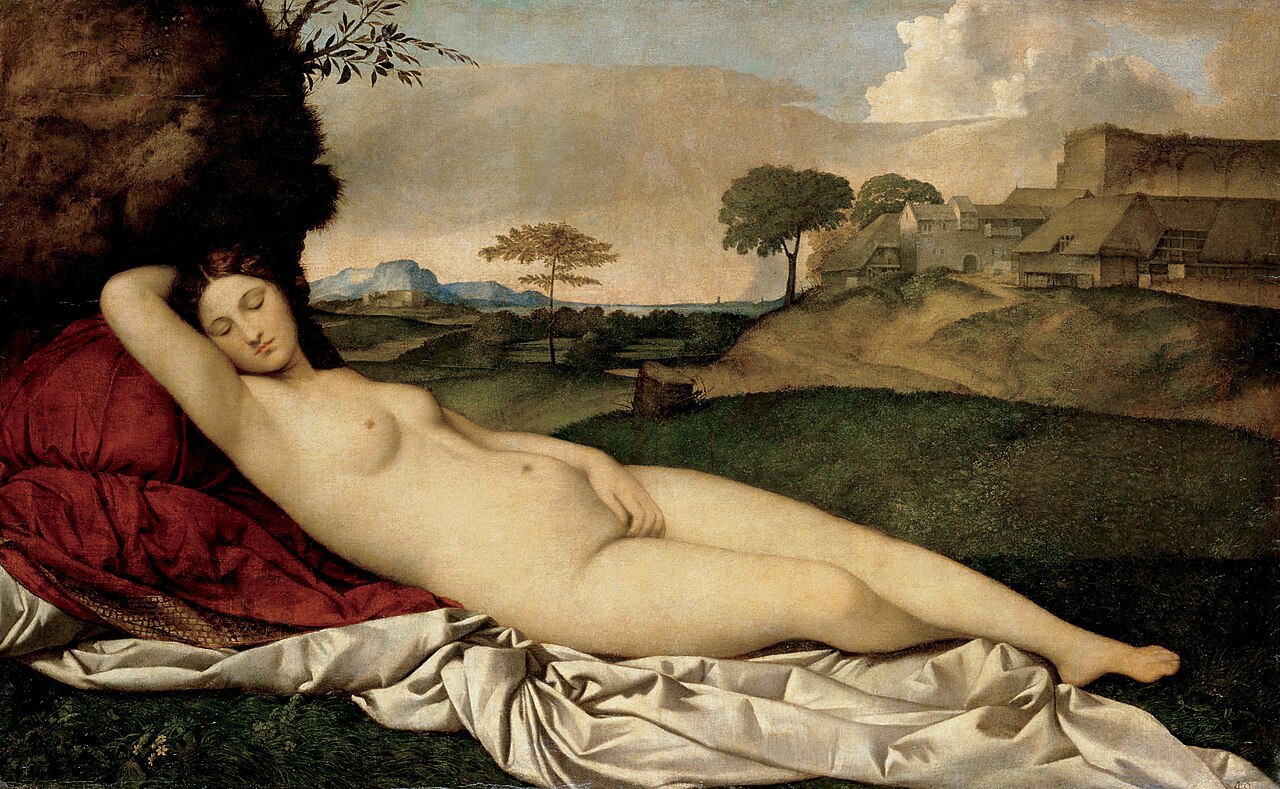 Venetian Renaissance
The Venetian Renaissance had a distinct character compared to the general Italian Renaissance elsewhere. The Republic of Venice was topographically distinct from the rest of the city-states of Renaissance Italy as a result of their geographic locatio...
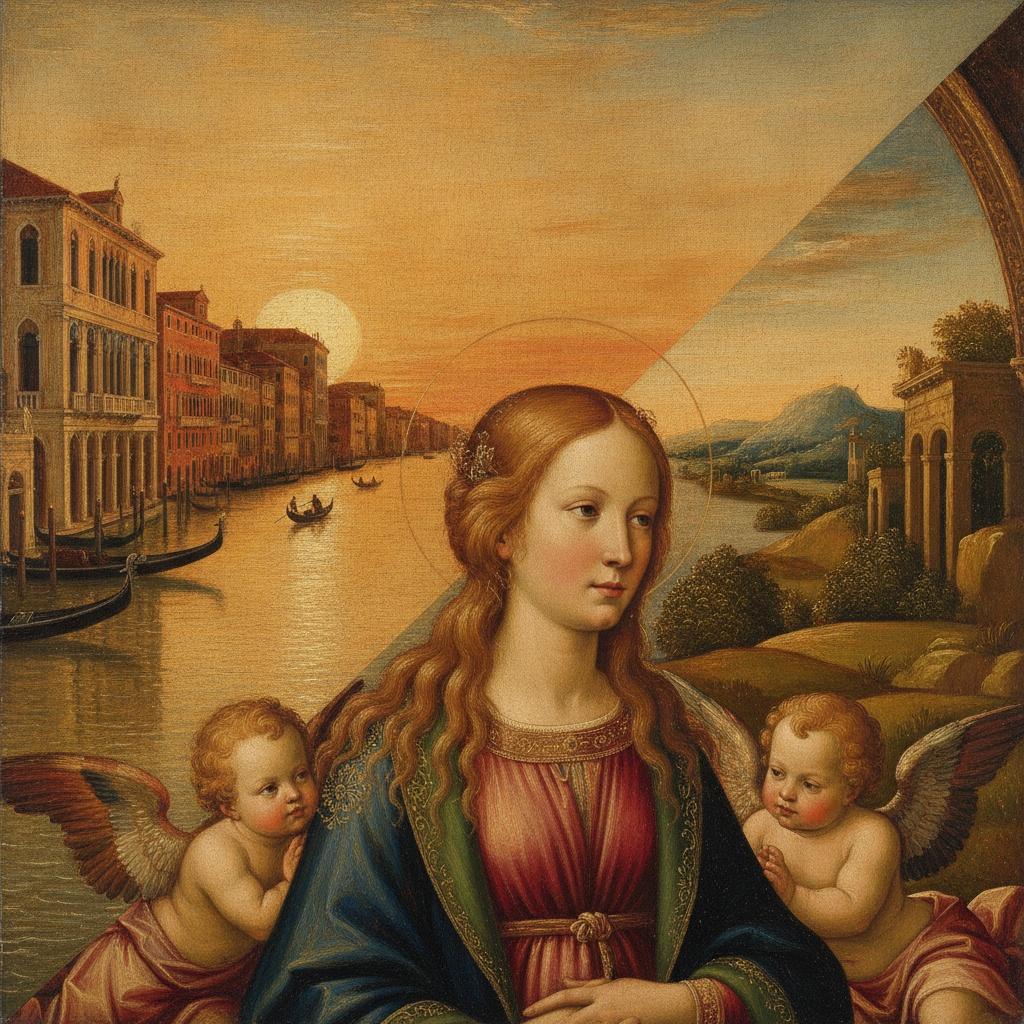
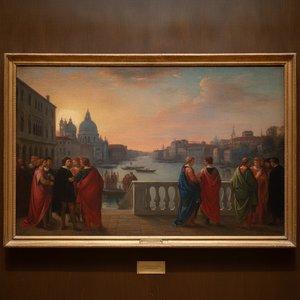
The true magic of Venetian art lies in its ability to capture what is most fleeting. The artists of this era were masters of atmospheric brilliance, skilled at rendering the soft, hazy light that characterizes a maritime climate. This was an art of impressions—capturing the way sunlight filters through mist or how the reflection of a sunset dissolves into the dark depths of a canal. This focus on the ephemeral required a sophisticated understanding of how light travels through different mediums, from the heavy oils of a portrait to the translucent glazes used in landscapes.
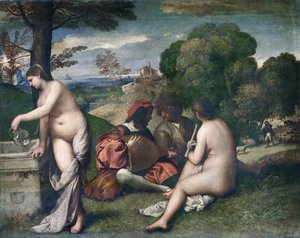
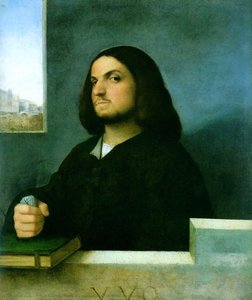
This mastery of atmosphere created a sense of depth and movement that was unprecedented. By subtly blurring backgrounds and utilizing soft, luminous transitions, painters like Giorgione and Titian could suggest vast distances and infinite skies. The light in a Venetian painting is rarely static; it feels as though it is actively moving across the canvas, catching the edge of a sleeve or illuminating the curve of a cheek. It is this very luminosity that allows the viewer to step into the painting, experiencing the same soft, moisture-laden air that the masters once breathed.
A Legacy of Luminosity: From Bellini to the Venetian Masters
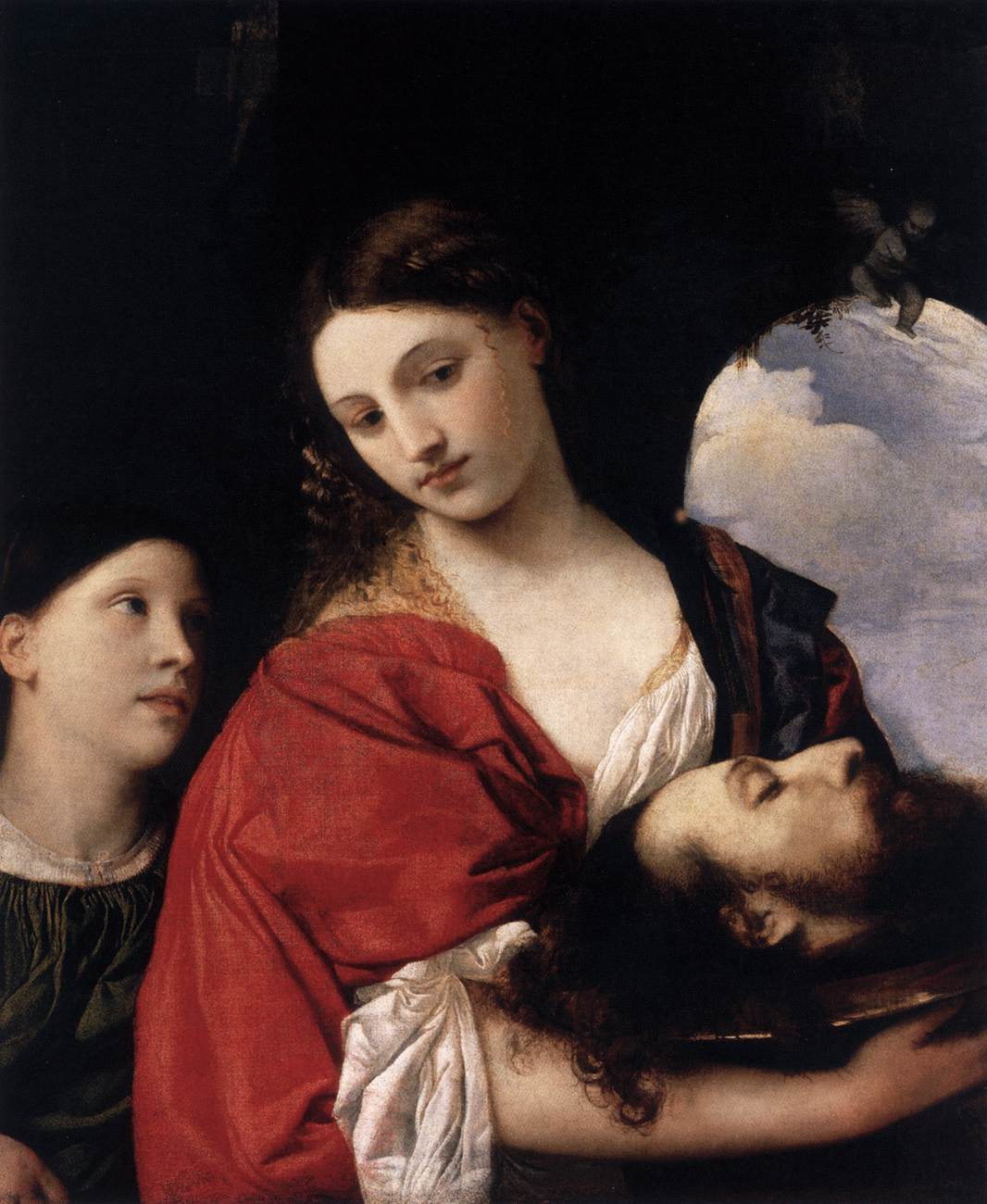 Venetian painting
Venetian painting was a major force in Italian Renaissance painting and beyond. Beginning with the work of Giovanni Bellini (c. 1430–1516) and his brother Gentile Bellini (c. 1429–1507) and their workshops, the major artists of the Venetian school in...
The lineage of the Venetian Renaissance is a continuous thread of light and color, beginning with the foundational work of Giovanni Bellini and his brother Gentile. Bellini, renowned for his serene Madonnas and luminous landscapes, provided the essential groundwork upon which later masters would build. His ability to infuse religious subjects with a quiet, atmospheric grace set the stage for the more dramatic and sensual explorations of Giorgione and, eventually, the unparalleled brilliance of Titian.
The influence of this school was so profound that it extended far beyond the borders of the Republic, shaping the development of Western painting well into the centuries that followed. The practices of the Venetian masters—their emphasis on texture, their revolutionary use of oil, and their devotion to color—echoed through the works of Tintoretto, Veronese, and even the later Baroque and Rococo movements. To study Venetian Renaissance art is to witness the birth of a visual language that celebrates the beauty of the sensory world, leaving us with a legacy of light that continues to inspire awe and contemplation in the hearts of collectors and enthusiasts alike.