

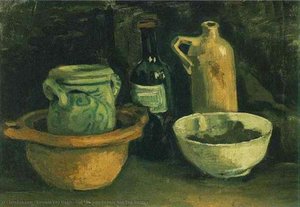
The Soul of the Surface: Finding Intimacy in Oil on Panel
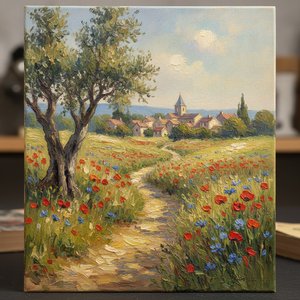 The Timeless Beauty of Oil on Panel: Capturing Light and Texture through the Impressionist Lens
The Soul of the Surface: Understanding the Intimacy of Oil on Panel There is a profound, quiet intimacy found when one gazes upon an oil painting executed on panel, a sensation that differs subtly yet significantly from the expansive reach of canvas....
There is a profound, quiet intimacy found when one gazes upon an oil painting executed on panel, a sensation that differs subtly yet significantly from the expansive reach of canvas. For those of us who have spent decades wandering through the hallowed halls of the Musée d'Orsay or the Petit Palais, we recognize that certain moments in art history demand a more steadfast foundation. While canvas offers a rhythmic flexibility, the rigid, unarbited nature of wood panel provides a stage for a different kind of truth. It invites a closer encounter, a way to lean in and witness the artist’s breath caught in the pigment.
To look upon a masterwork on panel is to enter a private dialogue with the past. Unlike the larger-than-life canvases that command a room through sheer scale, the panel painting often possesses a concentrated energy, an intimacy of scale that draws the viewer into its personal orbit. It is as if the artist has captured a secret, preserved within the very grain of the wood, waiting for a discerning eye to rediscover its quiet brilliance.
A Foundation of Truth: The Structural Elegance of Wood vs. Canvas
 Mastering the Surface: A Historical and Technical Guide to the Art of Oil on Panel Painting
The Unyielding Foundation: A History of Wood as an Artistic Support Oil on Panel: A Historical Survey of Technique, Support, and Aesthetic Impact The Enduring Appeal of Wood: A Historical Overview of Panel Painting Wikipedia: Panel painting A panel p...
In the grand, sweeping tapestry of art history, the choice of support is never merely a matter of convenience; it is a fundamental decision that dictates both the lifespan and the very character of a masterpiece. While canvas has long been the industry standard for its portability and texture, the unyielding nature of wood panel offers an architectural gravity that fabric simply cannot replicate. There is a certain structural integrity found in the panel, a refusal to sag or undulate under the weight of heavy pigment.
This rigidity allows for a different kind of artistic bravery. When an artist works on a smooth, non-absorbent surface, they are liberated from the rhythmic interruptions of a woven grain. This stability creates a sense of permanence, as if the fleeting light of a summer afternoon has been captured not just on a surface, but etched into a lasting medium. For the collector, choosing a piece on panel is an embrace of the substantial—a move away from the ephemeral and toward something that feels integrated into the very bones of a home.
Capturing the Ephemeral: Light and Glaze in the Impressionist Tradition
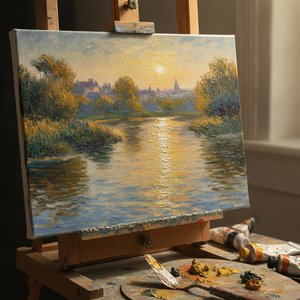 The Soul of Impressionism: Why Oil on Canvas Captures Eternal Light and Timeless Emotion
The Alchemy of Light: How Oil Pigments Breathe Life into the Impressionist Vision The Timeless Magic of Oil on Canvas: A Masterclass in Texture, Depth, and Impasto Artistry The Alchemy of Pigment: Understanding the Soul of Oil on Canvas To behold a t...
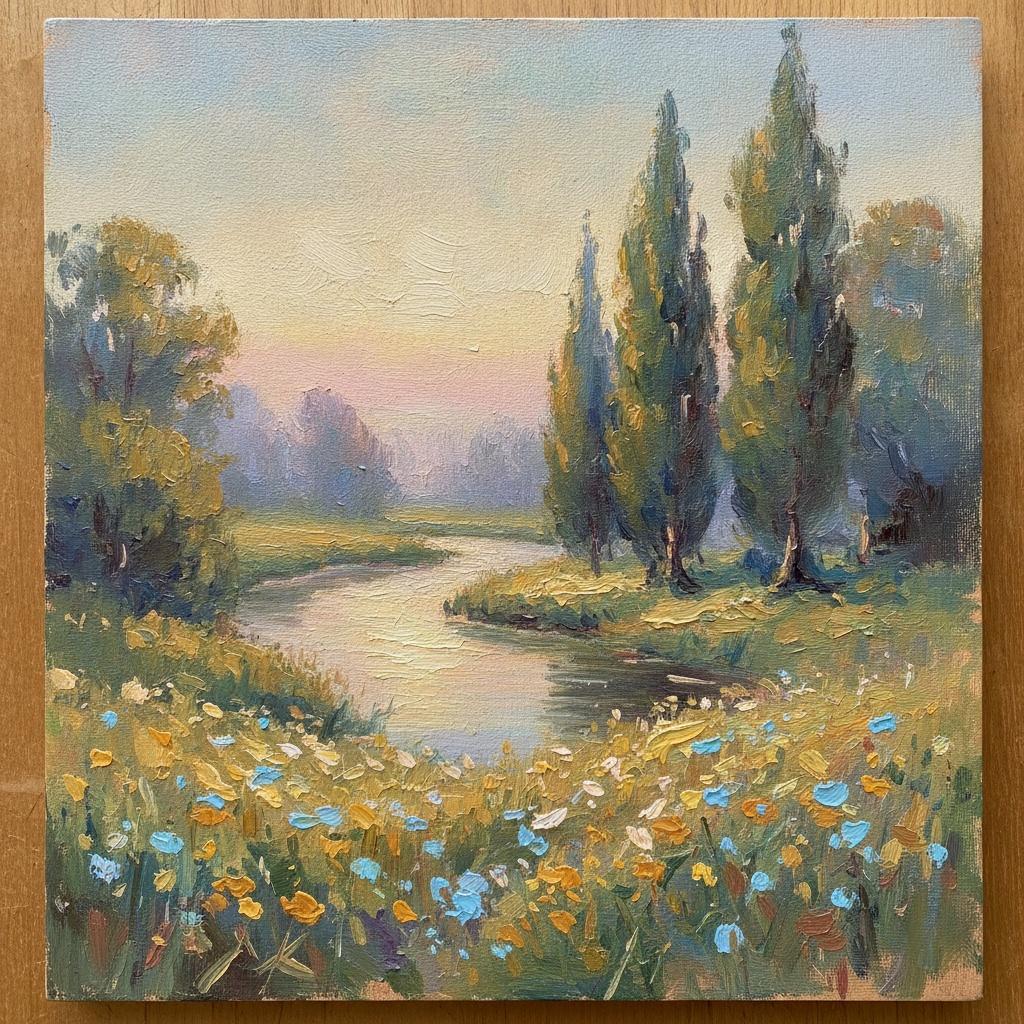
The true magic of the Impressionist movement lies in its obsession with the ephemeral: the way sunlight dances across water, or how the sky shifts from the pale blue of morning to the bruised violets of dusk. Achieving this luminosity requires a delicate dance of light passing through translucent layers of oil. When an artist works on a smooth panel, they can achieve a level of clarity and brilliance that is difficult to replicate on the more porous texture of canvas.
Through the meticulous application of glazes—thin, transparent veils of color—the Impressionist masters could build a depth of light that seems to glow from within. One might find themselves lost in the shimmering light of a summer afternoon captured by Monet, or perhaps captivated by the subtle transitions in a landscape where the light feels as though it is breathing. This technique allows for a chromatic descent, where colors do not merely sit upon the surface but inhabit it, creating a luminous atmosphere that transcends the physical boundaries of the frame.
Sculpting with Pigment: The Emotional Power of Impasto Texture
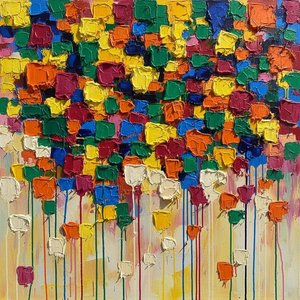 Prismatic Gravity: A Monumental Study of Impasto Texture and Chromatic Descent
A Symphony of Weight and Color In the realm of contemporary abstraction, few works command the physical presence of Prismatic Gravity: A Monumental Study of Impasto Texture and Chromatic Descent . This breathtaking masterpiece by Christian Noiret is ...
If the glaze represents the breath of the painting, then impasto represents its heartbeat. There is no greater way to experience the visceral energy of Post-Impressionism than through the study of sculptural texture. In works that utilize heavy impasto, the paint is applied so thickly that it becomes a three-dimensional relief. Each stroke of the palette knife leaves behind a ridge of color that catches the ambient light, casting micro-shadows within the painting itself.
Consider the breathtaking power of a work like Prismatic Gravity or the rhythmic ridges found in modern studies of gold; here, the paint is not merely a medium but a physical presence. This technique creates a captivating tension—a silent dialogue between the permanence of structure and the spontaneity of motion. When we see thick, raised quadrilaterals of pigment that pulse with internal energy, we are witnessing the artist’s struggle to manifest emotion through matter. It is a sculptural grandeur that demands attention, turning a flat image into a tactile encounter that invites the viewer to feel the movement of the brush.
Preserving the Moment: The Longevity and Legacy of Masterful Oil Works
 Oil painting
Oil painting is a painting method involving the procedure of painting with pigments combined with a drying oil as the binder. It has been the most common technique for artistic painting on canvas, wood panel, or copper for several centuries. The adva...
To behold a true oil painting is to witness a slow, deliberate alchemy where earth and light converge. For those who cherish these works, the preservation of their beauty is paramount. The use of traditional materials—linseed, poppy seed, or walnut oils combined with pigments—ensures that the richness and density of color remain vibrant for generations. When properly cared for, protected from direct sunlight and finished with a protective coat of Damar varnish, these masterpieces endure as much more than mere decorations; they are vessels of human history.
At ArtsDot.com, we honor this legacy by specializing in the meticulous recreation of these profound moments. Our master artists, holding degrees from prestigious academies, hand-paint each reproduction on 100% cotton canvas or rigid supports, ensuring that every visible brushstroke and textural ridge is a testament to their craftsmanship. Whether you are seeking to transform a personal memory through our custom photo services or looking to find a piece that echoes the light of Monet, we invite you to explore a world where art history is not just remembered, but lived.