Introduction: The Enduring Power of Allegory
In works of art, literature, and narrative, a symbol is a concrete element like an object, character, image, situation, or action that suggests or hints at abstract, deeper, or non-literal meanings or ideas. The use of symbols artistically is symboli...
Allegory, at its heart, is the art of veiled meaning – a narrative where characters and events represent abstract ideas or moral qualities. It’s a practice as old as storytelling itself, woven into the fabric of myth, religion, and philosophy. From the earliest cave paintings to the grand frescoes of the Renaissance, artists have employed allegory not merely to depict scenes but to communicate complex truths about the human condition, societal values, and the divine order. This enduring fascination with ‘other speech’ – alia oratio, as it was known in classical rhetoric – speaks to a fundamental desire to transcend the literal and explore deeper layers of understanding. The power of allegory lies in its invitation; it doesn't dictate meaning but prompts contemplation, demanding active participation from the viewer to decipher the symbolic language presented before them.
From Classical Myth to Renaissance Symbolism: Early Roots & Transformations
The seeds of allegorical representation were sown in classical antiquity. Greek and Roman mythology teemed with figures embodying virtues, vices, and natural forces – think of Nike, the winged goddess of victory, or Chronos, personifying time. These weren’t simply deities; they were visual shorthand for abstract concepts. However, it was during the Renaissance that allegory truly flourished, experiencing a remarkable revival fueled by renewed interest in classical learning and a burgeoning humanist philosophy. Artists began to draw heavily on these ancient motifs, reinterpreting them within a Christian framework. The rediscovery of texts like Boccaccio’s De Genealogia Deorum provided a wealth of symbolic associations, offering artists a rich vocabulary for encoding meaning into their works. This period saw the emergence of complex allegorical cycles in painting and sculpture, often commissioned by wealthy patrons eager to demonstrate their erudition and piety.
Giotto’s Moral Landscapes: Envisioning Vice and Virtue in the 14th Century
 Envy
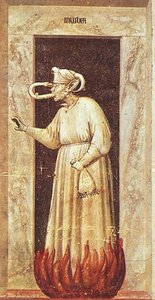
Envy'No. 48 The Seven Vices: Envy' exemplifies Giotto’s revolutionary approach to art, capturing emotion and realism with unprecedented skill.
One of the earliest masters to embrace a distinctly allegorical approach was Giotto di Bondone. His frescoes in the Scrovegni Chapel in Padua, while ostensibly depicting scenes from the life of Christ and the Virgin Mary, are also profoundly concerned with moral instruction. The series of ‘Seven Vices’ – particularly striking is “Envy” (No. 48 The Seven Vices: Envy) – exemplifies Giotto’s revolutionary approach to art. He captures emotion and realism with unprecedented skill, portraying each vice not as an abstract concept but as a tangible human failing. The figures are imbued with psychological depth, their expressions and gestures conveying the destructive consequences of sin. This focus on emotional resonance made allegory accessible to a wider audience, moving beyond intellectual understanding towards visceral empathy. Giotto’s work wasn't simply about *telling* viewers what was wrong; it was about *showing* them the ugliness of vice and the beauty of virtue.
Hieronymus Bosch and the Complexities of Medieval Allegory
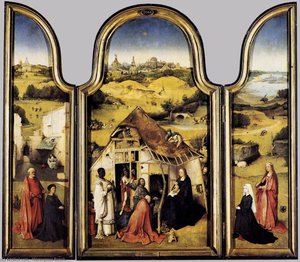
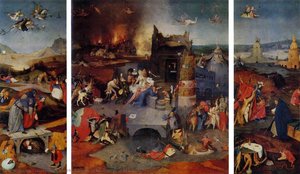
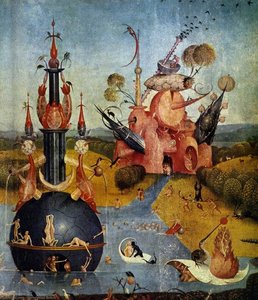
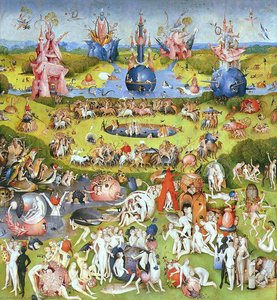
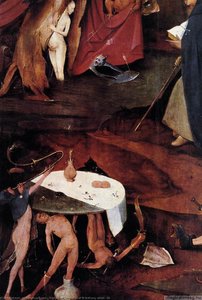
If Giotto offered a relatively straightforward moral vision, Hieronymus Bosch plunged into the labyrinthine depths of medieval allegory. His paintings are notoriously enigmatic, populated by fantastical creatures, bizarre landscapes, and unsettling symbolism. The Seven Deadly Sins (detail) (12), for example, presents a chaotic panorama of human folly, where each sin is embodied in grotesque and often disturbing imagery. Bosch’s allegories aren't easily deciphered; they resist simple interpretation, inviting multiple readings and sparking endless debate among scholars. His work reflects the anxieties and spiritual turmoil of his time – the fear of damnation, the struggle against temptation, and the pervasive sense of human imperfection. Unlike earlier artists who sought to clearly delineate between good and evil, Bosch often blurs the boundaries, suggesting a more ambiguous and unsettling relationship between sin and salvation.
Decoding Renaissance Allegories: Unveiling Layers of Meaning
 Decoding the Veil: Symbolism in Art – A Comprehensive Exploration of Meaning & Interpretation
Explore the rich world of art symbolism! Uncover hidden meanings in masterpieces from Renaissance allegories to modern movements. A comprehensive guide for enthusiasts & collectors.
The High Renaissance witnessed a refinement of allegorical techniques, with artists like Jacopo della Quercia demonstrating remarkable skill in imbuing their sculptures with symbolic weight. Rhea Sylvia (1414) – a stunning marble sculpture of the Virgin Mary & Child – is not merely a beautiful depiction of motherhood; it’s also laden with theological significance, referencing classical myths and biblical prophecies. The pyramidal composition lends stability and grandeur to the scene, while exquisite detail conveys a sense of divine grace. Renaissance allegories often relied on a complex system of iconography – specific objects, animals, or gestures that carried predetermined meanings. For example, lilies symbolized purity, doves represented the Holy Spirit, and apples alluded to temptation. Understanding these visual codes was essential for fully appreciating the artwork’s intended message. The ability to ‘read’ an allegory became a mark of cultural sophistication.
Allegory Beyond Painting: Literature, Sculpture & its Lasting Influence
While painting and sculpture were primary vehicles for allegorical expression, the practice extended far beyond these mediums. Renaissance literature was replete with allegorical narratives – think of Edmund Spenser’s The Faerie Queene or Dante Alighieri’s Divine Comedy. Even in portraiture, subtle symbolic elements could convey a sitter's virtues, ambitions, or social status. The legacy of allegory continues to resonate in art today, albeit often in more nuanced and fragmented forms. Contemporary artists frequently employ allegorical strategies to explore themes of identity, power, and the human condition. From the surrealist experiments of the 20th century to the conceptual art of the present day, the desire to communicate beyond the literal remains a powerful driving force. At ArtsDot.com, we strive to make these masterpieces – and their hidden meanings – accessible to all, fostering a deeper appreciation for the rich symbolic language of art history.