The Dawn of Cityscapes: From Mapping to Artistic Representation
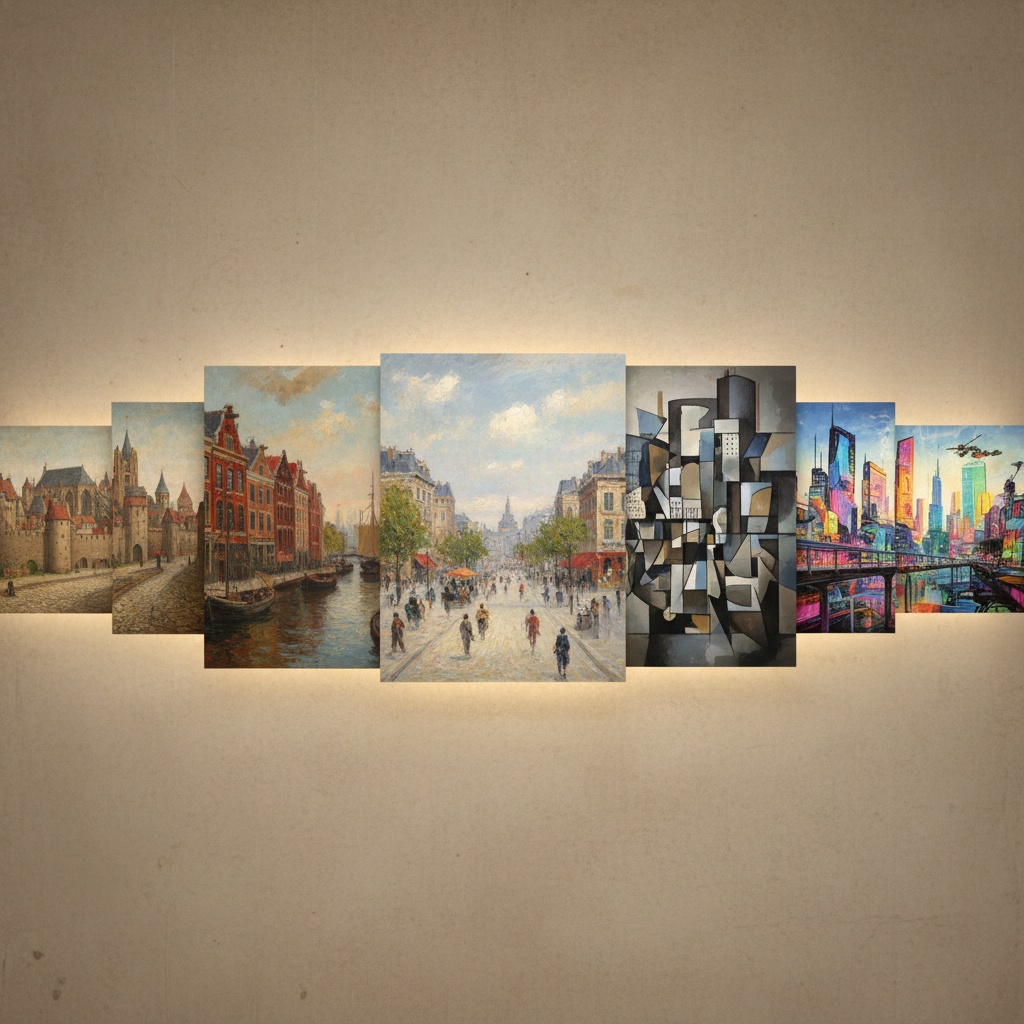
Before the brushstrokes captured the vibrant pulse of urban life, cityscapes existed primarily as tools – meticulous maps charting trade routes, defensive fortifications, and administrative boundaries. Early representations, dating back to Roman frescoes depicting ancient cities, served a practical purpose, offering bird’s-eye views for strategic planning rather than aesthetic contemplation. Throughout the Middle Ages, cities often appeared as background elements in religious or portraiture, providing context but rarely taking center stage. The 16th through 18th centuries witnessed a surge in detailed copperplate prints and etchings, functioning as both cartographic resources and early forms of visual documentation. These weren’t born from artistic impulse alone; they were about precision and information. However, within these precise lines lay the seeds of something more – an emerging fascination with the complexities and grandeur of urban environments.
The East, particularly China, offered a different trajectory. Scroll paintings like Along the River During the Qingming Festival demonstrate a panoramic approach to city life centuries before its Western counterpart, focusing on bustling activity and social narratives rather than purely topographical accuracy. This tradition highlights an early appreciation for the cityscape as a reflection of culture and daily existence.
Realism's Embrace of Urban Life: Caillebotte and the Parisian Scene
The 19th century marked a pivotal shift, with Realism challenging academic conventions and turning its gaze towards contemporary life. Gustave Caillebotte’s “Man at the Window” (1875), exemplifies this new direction. Unlike idealized depictions of historical events or mythological scenes, Caillebotte presented a poignant slice of Parisian isolation within the rapidly modernizing city. The composition is striking – a figure framed by the window, seemingly detached from the bustling street below. This isn’t merely a portrait; it's an exploration of urban alienation and the psychological impact of modernity.
Caillebotte masterfully employs perspective and light to create a sense of depth and realism. The muted color palette reinforces the feeling of introspection, drawing viewers into the man’s private world. The painting isn’t simply *about* Paris; it's about how individuals experience Paris – the loneliness amidst the crowd, the quiet contemplation within the urban sprawl. It foreshadowed a growing artistic interest in capturing the nuances of everyday life and the changing social landscape.
Impressionism and the Fleeting Moment: Capturing Light in the Modern City
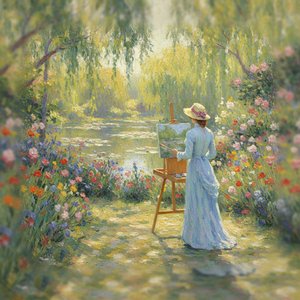
The Impressionists inherited this focus on contemporary life but revolutionized how it was depicted. Rejecting the meticulous detail favored by Realists, they sought to capture the *impression* of a scene – the fleeting effects of light and atmosphere. This meant painting en plein air (outdoors), directly observing and responding to the ever-changing conditions. The city became a laboratory for exploring color and movement.
Café de la Paix by Antoine Blanchard beautifully illustrates this approach. The vibrant colors and loose brushstrokes convey the energy of Parisian life, focusing on the overall visual experience rather than precise representation. Impressionists weren’t interested in documenting architectural details; they were interested in recreating the sensation of being *in* that moment – the warmth of the sunlight, the chatter of voices, the bustling activity of the street. This emphasis on subjective perception marked a radical departure from traditional artistic norms.
As described in the comprehensive guide to Impressionism, this movement wasn’t just about technique; it was about a different way of seeing – prioritizing sensation over detail, and capturing the ephemeral beauty of everyday life. Artists like Monet and Renoir further explored these themes, solidifying Impressionism's place as a cornerstone of modern art.
Post-Impressionist Perspectives: Utrillo’s Poetic Visions of Paris
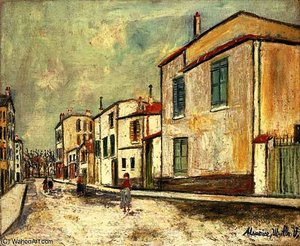
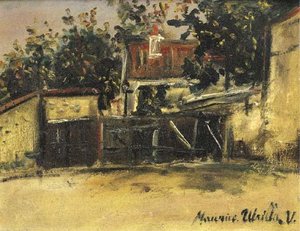
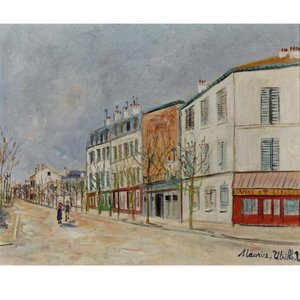
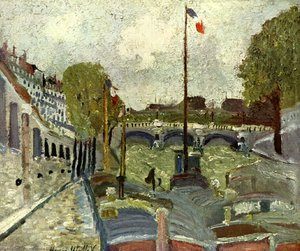
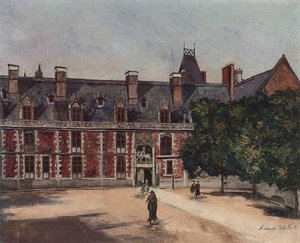
While Impressionism focused on capturing the immediate sensation of light and color, Post-Impressionism offered a more introspective approach. Maurice Utrillo, a key figure in this movement, developed a distinctive style characterized by muted colors, textured surfaces, and a melancholic atmosphere. His Parisian cityscapes aren’t about vibrancy or energy; they're about quiet contemplation and the passage of time.
Utrillo’s paintings often depict humble streets and unassuming buildings, imbued with a sense of nostalgia and poetic beauty. He wasn’t interested in grand boulevards or bustling cafes; he focused on the quieter corners of Paris – the forgotten alleyways, the weathered facades, the subtle details that reveal the city's history. His work evokes a feeling of solitude and introspection, inviting viewers to reflect on their own experiences of urban life.
Utrillo’s style, though distinct from Impressionism, built upon its foundations – prioritizing subjective experience and emotional resonance over strict realism. He created a unique vision of Paris, one that resonated with a growing sense of alienation and the search for meaning in a rapidly changing world.
Beyond Europe: Matsumoto Shunsuke and Tokyo's Transformation
The exploration of urban landscapes wasn’t limited to Europe. Matsumoto Shunsuke, a pivotal Japanese Yōga painter, captured the transformation of Tokyo during the mid-20th century with a unique montage style. His work offers a fascinating perspective on a city undergoing rapid modernization and the social upheaval that accompanied it.
Shunsuke’s paintings are characterized by blue-toned figures and fragmented compositions, reflecting the disorientation and anxiety of postwar Tokyo. He employed a distinctive collage technique, layering images and textures to create a sense of depth and complexity. Unlike traditional Japanese landscape painting, which often focused on natural beauty, Shunsuke depicted the gritty realities of urban life – crowded streets, dilapidated buildings, and the psychological impact of war.
His work is poignant and emotionally charged, offering a powerful commentary on the human cost of progress. Shunsuke’s unique style bridged Eastern artistic traditions with Western influences, creating a distinctive vision that captured the spirit of a city in transition.
The Enduring Appeal of the Urban Landscape: A Legacy of Artistic Innovation
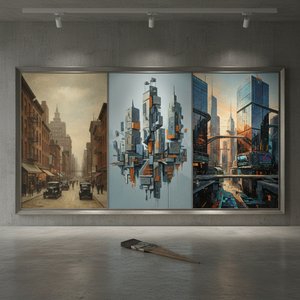
From its origins as a practical tool to its emergence as a powerful form of artistic expression, the cityscape continues to captivate artists and viewers alike. The legacy of Caillebotte, Monet, Utrillo, Shunsuke, and countless others demonstrates the enduring power of art to reflect and interpret our relationship with the urban environment.
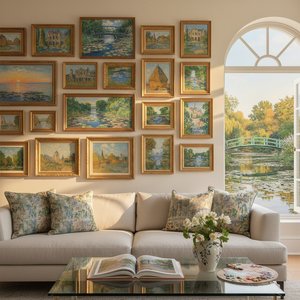
Whether capturing the fleeting effects of light, exploring themes of alienation and isolation, or documenting the complexities of social change, cityscape painting offers a unique window into the human experience. At ArtsDot.com, we are proud to offer museum-quality reproductions of these masterpieces, allowing you to bring the beauty and emotion of urban landscapes into your own home. Explore our extensive collection today and discover the captivating world of cityscape art – from classic Impressionist scenes to modern interpretations that continue to inspire and challenge us.