The Historical Roots of Memento Mori: From Antiquity to the Medieval World
 Wikipedia: Memento mori
Memento mori (Latin for "remember (that you have) to die") is an artistic symbol or trope acting as a reminder of the inevitability of death. The concept has its roots in the philosophers of classical antiquity and Christianity, and appeared in funer...
The contemplation of mortality is not a modern preoccupation; it’s an enduring thread woven through the tapestry of human civilization. Long before the exquisitely detailed Vanitas still lifes of the Dutch Golden Age, civilizations grappled with the ephemeral nature of existence. In classical antiquity, philosophers like Democritus sought wisdom in solitude and amongst tombs, recognizing death not as a terrifying end but as an inherent part of the natural order. Plato’s dialogues, particularly the Phaedo, framed philosophical inquiry itself as preparation for death, urging a detachment from earthly concerns. Seneca's letters are replete with reminders to embrace the brevity of life, while Roman triumphs themselves were shadowed by the presence of attendants whose sole purpose was to whisper “memento mori” – remember you must die – into the ear of the victorious general, a humbling counterpoint to fleeting glory.
This Stoic emphasis on accepting mortality as a natural process transitioned and transformed with the rise of Christianity. The focus shifted from philosophical acceptance to the salvation of the soul and the promise of an afterlife. Funerary art became increasingly prominent, adorned with skeletal imagery and symbolic representations of judgment. While classical memento mori often encouraged living fully in the present moment, Christian iterations served as moralizing reminders of earthly vanities and the importance of piety. The early medieval period saw these themes manifest in illuminated manuscripts and architectural details – a constant visual prompting to consider one’s spiritual state.
The Dutch Golden Age Vanitas: A Flourishing of Symbolic Still Life
 Vanitas Still-life
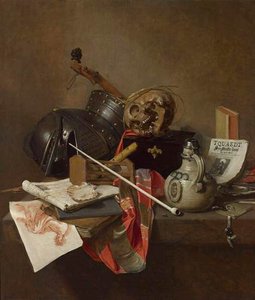
Explore Jan Jansz. Treck’s exquisite Vanitas still-life! A Baroque masterpiece showcasing wealth & mortality through meticulous detail & dramatic lighting. Discover Dutch Golden Age art.
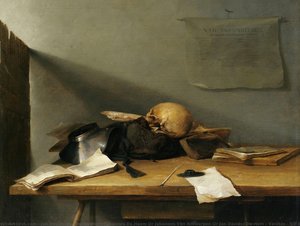
It was during the 17th-century Dutch Golden Age, however, that the Vanitas genre truly blossomed. This period of unprecedented prosperity and burgeoning trade coincided with a heightened awareness of life’s fragility – plagues, wars, and economic uncertainties cast a long shadow over even the most affluent households. Dutch painters responded by creating still lifes imbued with profound symbolic meaning, transforming everyday objects into potent meditations on mortality. Artists like Jan Jansz. Treck and Edwaert Collier didn't merely depict beautiful arrangements; they constructed visual arguments about the futility of worldly possessions and the inevitability of death.
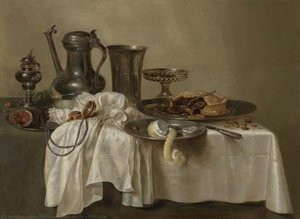
The meticulous detail characteristic of Dutch Baroque painting lent itself perfectly to this purpose. Each object was rendered with astonishing realism, yet simultaneously imbued with allegorical weight. A half-peeled lemon symbolized decay, a wilting tulip represented the transience of beauty, and an overturned goblet spoke to fleeting pleasure. These weren’t random choices; they were carefully selected motifs designed to provoke contemplation and encourage a virtuous life. The works often featured luxurious items – expensive fabrics, rare books, musical instruments – precisely because these represented the temptations that could distract from spiritual pursuits.
Decoding the Language of Vanitas: Common Motifs and Their Meanings
Vanitas is a genre of memento mori symbolizing the transience of life, the futility of pleasure, and the certainty of death, and thus the vanity of ambition and all worldly desires. The paintings involved still life imagery of transitory items. The g...
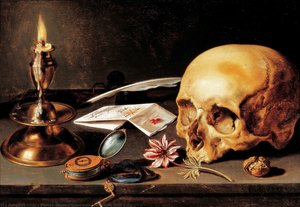
Understanding a Vanitas painting requires deciphering its complex iconography. The skull, perhaps the most recognizable symbol, directly confronts the viewer with the reality of death. But it’s rarely presented in isolation. Hourglasses and clocks serve as stark reminders of time's relentless passage, while extinguished or guttering candles represent the fading flame of life. Fruit, particularly overripe or decaying specimens, embodies the impermanence of earthly delights. Wine glasses, often toppled, signify indulgence and excess.
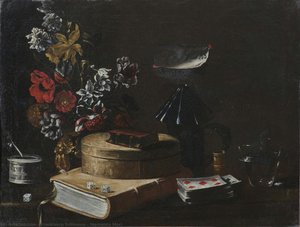
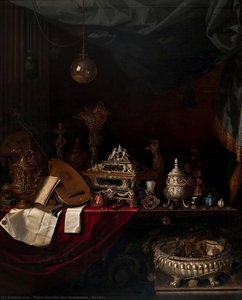
Beyond these core symbols, a wealth of other objects contribute to the overall message. Musical instruments allude to the fleeting nature of pleasure and harmony; books represent knowledge, but also the vanity of intellectual pursuits if not grounded in faith. Maps and globes symbolize worldly ambition, while coins and jewelry highlight the allure – and ultimate emptiness – of material wealth. Even seemingly innocuous objects like soap bubbles, as seen in Jacques de Gheyn II’s work, carry symbolic weight, representing the fragility and ephemerality of existence. Simon Renard de Saint André masterfully employed these motifs, creating hauntingly beautiful depictions that invite prolonged contemplation.
Beyond the Skull: Exploring Nuances in Representations of Mortality
While the skull remains a central motif, the most compelling Vanitas paintings transcend simple didacticism. Artists explored more subtle and nuanced representations of mortality, often layering symbolism to create complex emotional resonances. The arrangement of objects themselves could be significant – a carefully balanced composition disrupted by a single falling item, for example, suggesting the precariousness of life. The use of light and shadow played a crucial role, emphasizing certain elements while obscuring others, creating a sense of mystery and unease.
Furthermore, some artists incorporated personal elements into their Vanitas paintings, imbuing them with autobiographical meaning. The inclusion of specific books or musical instruments might allude to the artist’s own passions and struggles, adding another layer of complexity to the work. These subtle details reward close examination and invite viewers to engage with the painting on a deeper level.
Vanitas as a Reflection of Societal Values & Religious Beliefs
The popularity of Vanitas paintings wasn’t merely an aesthetic trend; it reflected deeply held societal values and religious beliefs. In a rapidly changing world, these works offered a moral compass, reminding viewers to prioritize spiritual pursuits over earthly pleasures. The Protestant Reformation had instilled a strong sense of individual responsibility and the importance of living a virtuous life, and Vanitas paintings served as visual reminders of this imperative.
The genre also tapped into a broader European tradition of allegorical art, which sought to convey abstract concepts through symbolic imagery. By drawing on classical mythology, biblical stories, and contemporary literature, Vanitas painters created works that were both intellectually stimulating and emotionally resonant. They weren’t simply depicting death; they were exploring the very meaning of life itself.
Collecting Vanitas Today: Considerations for the Discerning Eye
For the discerning collector, acquiring a Vanitas painting represents more than just owning a beautiful object. It's possessing a tangible piece of history – a window into the anxieties and aspirations of a bygone era. When considering a purchase, provenance is paramount; establishing the work’s authenticity and tracing its ownership adds to its value and historical significance.
Beyond provenance, careful attention should be paid to the artist's skill and mastery of technique. The meticulous detail characteristic of Dutch Golden Age painting requires exceptional talent, and works by artists like Collier, Treck, and Renard de Saint André command high prices for a reason. The complexity of the symbolism is also crucial; a truly compelling Vanitas painting will reward prolonged contemplation and offer new insights with each viewing. At ArtsDot.com, we specialize in handmade oil paintings that capture the essence of these masterpieces, offering collectors the opportunity to own reproductions of exceptional quality and historical accuracy. Our commitment to authenticity, combined with our personalized service – including free art consultation and custom reproduction options – ensures a rewarding experience for every client.