
The Alchemy of Divinity: Gold as the Flesh of the Gods
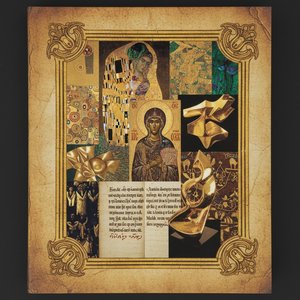 The Allure of Gold in Art History: Symbolism, Technique & Cultural Significance
The Ancient Roots: Gold as Divine Symbolism Wikipedia: Gold leaf Gold leaf is gold that has been hammered into thin sheets (usually around 0.1 μm thick) by a process known as goldbeating, for use in gilding. Gold leaf is a type of metal leaf, but the...
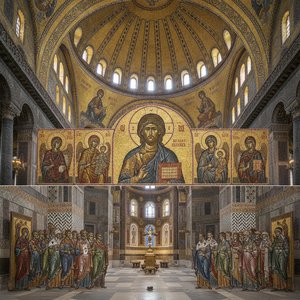
To gaze upon a masterpiece of the Byzantine era is to encounter more than mere pigment and metal; it is to witness a celestial phenomenon captured in physical form. Throughout the annals of art history, gold has functioned as an alchemical bridge between the terrestrial and the divine. It possesses a unique optical property that transcends the limitations of standard palettes, reflecting light in a way that breathes life into the canvas even in the most dimly lit galleries. This radiance does not simply sit upon the surface; it interacts with the viewer’s movement, shifting and shimmering as if the artwork itself were breathing.
From the earliest civilizations, gold has held a power far exceeding its monetary value. It was never merely a display of wealth, but rather a material imbued with an otherworldly luminescence. In ancient Egypt, gold adorned sarcophagi and masks not just for prestige, but as the essential flesh of the gods, ensuring safe passage to the afterlife through its unchanging brilliance. This association with immortality—the idea that gold, resistant to tarnish and decay, mirrors the eternal nature of the divine—found its most profound expression in the Byzantine Empire. Here, the metal became a theological necessity, a way to represent the uncreated light of heaven within the reach of human sight.
Techniques of Transcendence: The Art of Goldbeating and Gilding
--- title: Gold-ground panel painting (video) | Khan Academy url: https://www.khanacademy.org/humanities/renaissance-reformation/late-gothic-italy/beginners-guide-late-gothic/v/gold-ground-panel-painting hostname: khanacademy.org description: Gold-gr...
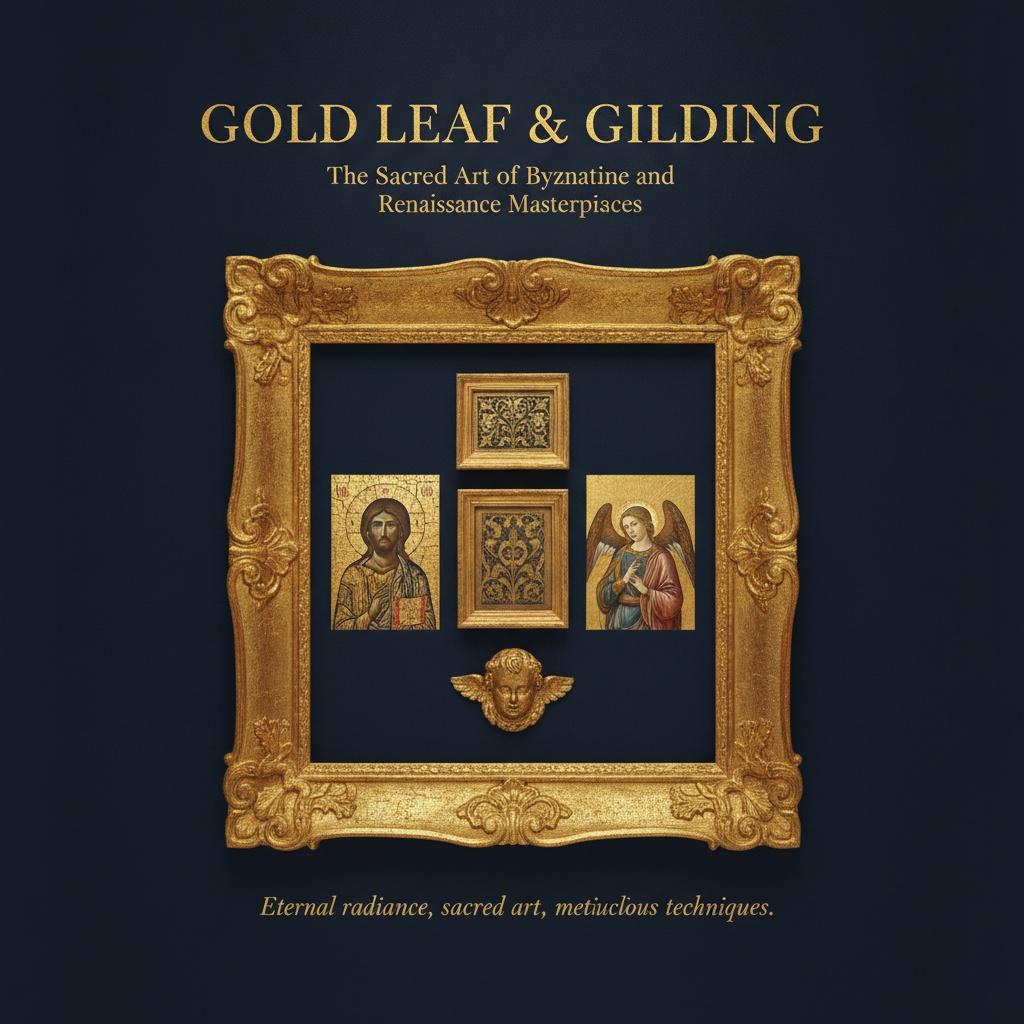
The creation of such luminous surfaces required a level of technical mastery that bordered on the miraculous. The process began long before the brush touched the panel, starting with the arduous task of goldbeating. Artisans would meticulously hammer gold bullion into incredibly thin sheets, often reaching a thickness of only 0.1 micrometers. This painstaking labor transformed a heavy, solid metal into a delicate, ethereal leaf capable of clinging to a surface with almost supernatural lightness.
Gilding these sacred works was a multi-stage ritual of precision. For panel paintings and icons, artists applied layers of gesso to create a perfectly smooth, ivory-like foundation. Once prepared, the gold leaf was laid upon the surface, often over a specialized adhesive known as bole. This technique allowed for the creation of a "gold ground," a style where the background is entirely or predominantly composed of solid gold. The skill required to ensure a seamless, bubble-free application was immense, as any imperfection would disrupt the intended illusion of an infinite, unbroken heaven. It was a delicate dance between the sun-drenched highlights and the deep, velvety shadows that defined the true power of gilded art.
Windows to the Infinite: The Theological Role of the Gold Ground
 Gold ground
Gold ground (both a noun and adjective) or gold-ground (adjective) is a term in art history for a style of images with all or most of the background in a solid gold colour. Historically, real gold leaf has normally been used, giving a luxurious appea...
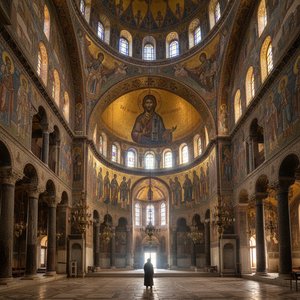
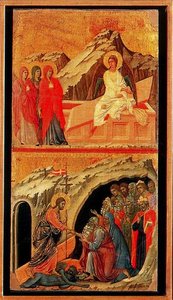
In the hallowed halls of Byzantine churches, the use of gold leaf in icons was far more than a decorative choice; it was a profound theological statement. By covering the background of sacred figures in beaten gold, artists effectively removed their subjects from the realm of human time and placed them within an eternal, uncreated light. The gold ground functioned as a window to the infinite, where the flat, shimmering expanse of gold eliminated traditional depth and perspective. This lack of spatial depth was intentional, forcing the viewer to confront the spiritual essence of the icon rather than its physical surroundings.
This stylistic choice created a sense of "sacred space" that existed outside the laws of physics. Unlike Western Renaissance landscapes that sought to pull the viewer into a realistic, three-dimensional world, Byzantine gold grounds pushed the subject forward, into the viewer's immediate spiritual presence. The shimmering background acted as a celestial plane, representing a state of being that is both present and transcendent. In this way, the artist used the physical properties of light and metal to communicate complex theological narratives, turning every icon into a living conduit of faith.
Luminous Iconography: Halos, Mosaics, and the Celestial Glow
 Halo (religious iconography)
A halo (from Ancient Greek ἅλως, hálōs, 'threshing floor, disk'), also called a nimbus, aureole, glory or gloriole (Latin: gloriola, lit. 'little glory'), is a crown of light rays, circle or disk of light that surrounds a person in works of art. The ...
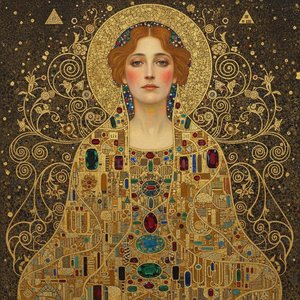
The interplay of gold within Byzantine iconography reached its zenith in the creation of halos and mosaics. The halo, or nimbus, serves as a crown of light rays surrounding a holy figure, acting as a visual shorthand for sanctity. When executed with real gold leaf, these halos do not merely surround the head; they radiate an aura that seems to emanate from within the subject itself. This effect is further amplified in the magnificent mosaics of the era, where small tesserae of gold-leafed glass are set at slight angles to catch and refract light from every direction.
In these mosaic masterpieces, the gold becomes a dynamic participant in the liturgy. As candlelight flickers or as sunlight moves through a cathedral dome, the walls appear to pulse with life. This technique creates a sense of "divine movement," where the architecture itself seems to vibrate with spiritual energy. Whether it is the intricate filigree of a gilded frame or the expansive, luminous halo of a saint, the integration of gold ensures that the iconography remains a captivating visual experience, elevating the viewer from the mundane world into a realm of profound contemplation and awe.
Preserving Eternal Radiance: The Legacy of Byzantine Craftsmanship
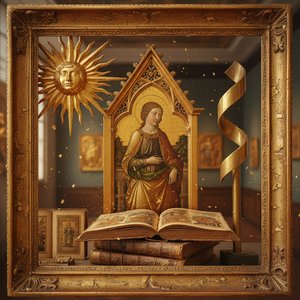 Golden Splendor: An Editorial Journey Through Art's Most Radiant Masterpieces
The Alchemy of Light: Understanding Gold's Eternal Allure in Fine Art To gaze upon gold within a masterpiece is to witness more than mere color; it is to encounter a celestial phenomenon captured in pigment and metal. Throughout the annals of art his...
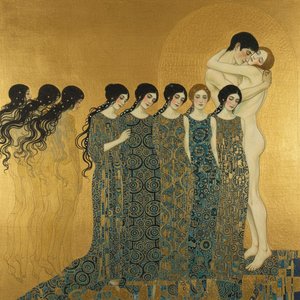
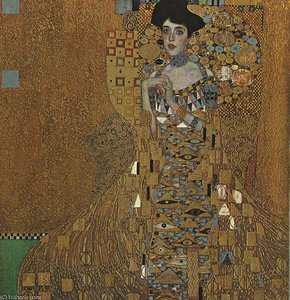
The legacy of these ancient techniques continues to inspire the modern connoisseur. While the era of the great Byzantine empires has passed, the aesthetic of "golden splendor" remains a cornerstone of fine art. We see its echoes in the decadent ornamentation of Gustav Klimt’s Golden Phase, which blended Art Nouveau with the sacred weight of Byzantine iconography to create figures of mythic status. The enduring allure of gold lies in its incorruptibility; unlike organic pigments that may fade or shift under the weight of centuries, the luster of gold remains steadfast, a symbol of eternal truth.
Today, the pursuit of this level of craftsmanship lives on through the dedicated work of master artists who continue to honor these historical traditions. At ArtsDot.com, we celebrate this heritage by offering hand-painted oil reproductions that capture the very soul of such masterpieces. Our artists, holding degrees from prestigious Fine Arts academies, utilize traditional techniques—from meticulous layering on 100% cotton canvas to the application of fine textures—to ensure that the brilliance of the past is preserved for the future. Whether through a bespoke commission or a museum-quality print, we invite you to bring the eternal radiance of history into your own private collection.