

The Mechanics of Perception: Understanding the Ben-Day Dot
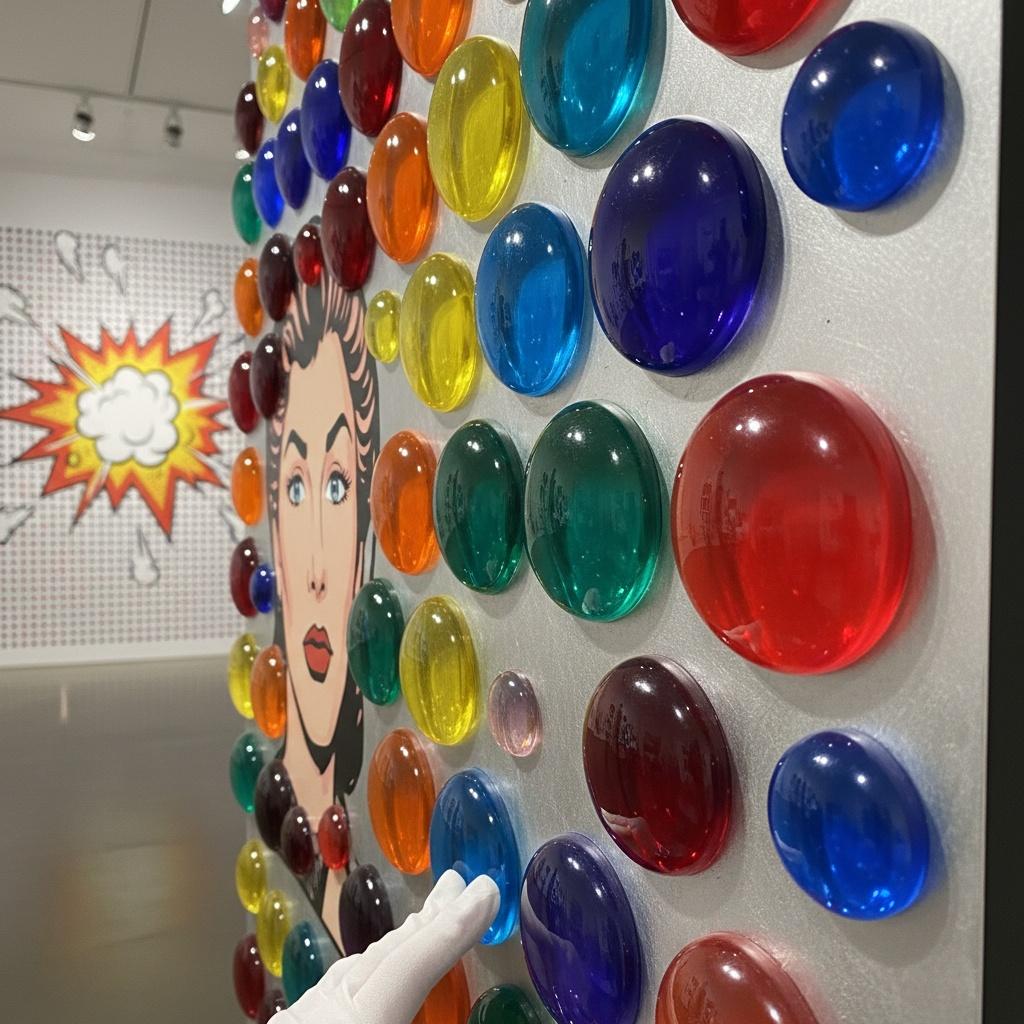
To look closely at a masterpiece of Pop Art is to witness a fascinating optical illusion, a dance between what the eye perceives and what the mind interprets. At the heart of this phenomenon lies the Ben-Day dot, a printing technique originally designed for the humble world of newsprint and comic books. These tiny, rhythmic clusters of color were never intended to be seen as individual points; rather, they were engineered to blend seamlessly when viewed from a distance, creating the illusion of continuous tone, shading, and secondary hues. When these dots are isolated, they reveal a mechanical, almost clinical precision, yet when integrated into a larger composition, they breathe life into flat surfaces.
The magic of this technique resides in the science of optical mixing. By varying the density and color of these small circles, artists can simulate the soft gradients found in classical oil paintings using only a limited palette of primary colors. This creates a tension between the industrial reality of the dot and the emotional resonance of the image it forms. It is a way of tricking the retina, inviting the viewer to participate in the creation of the art by mentally bridging the gaps between the scattered pigments. In this sense, the Ben-Day dot is not merely a printing tool but a fundamental element of visual language that challenges our very understanding of depth and texture.
Roy Lichtenstein and the Pop Art Revolution
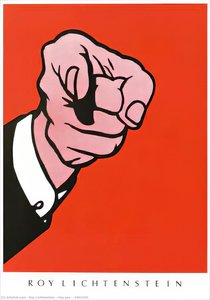
No artist harnessed the power of the mechanical dot quite like Roy Lichtenstein. In the mid-20th century, as the world became increasingly saturated with mass-produced imagery, Lichtenstein looked toward the low-brow aesthetics of comic strips and advertisements to forge a new high-art vocabulary. His work did not merely imitate commercial printing; it elevated it, magnifying the small-scale textures of pulp fiction into monumental canvases that demanded serious intellectual engagement. Through his lens, the mundane became magnificent, and the disposable became eternal.
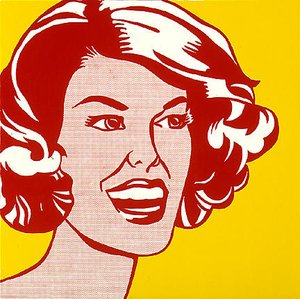
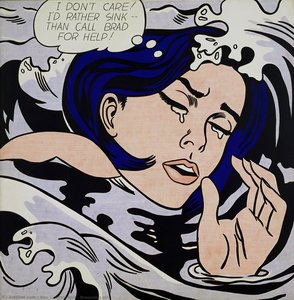
Consider the profound impact of works such as Reflections Art, where a vibrant yellow palette meets the iconic dot pattern to create a sense of nostalgic brilliance. Or look at the poignant Woman in a Wheelchair, where the signature Ben-Day style is used to explore themes of isolation and human vulnerability. Lichtenstein’s genius lay in his ability to use a "cold," industrial technique to convey deeply "warm" or dramatic human emotions. By adopting the visual language of consumer culture—the very thing often criticized for being superficial—he forced the art world to confront the beauty and complexity hidden within the repetitive, mass-produced textures of modern life.
From Comic Strips to Canvas: The Cultural Shift of Mass Media Imagery
The transition of the Ben-Day dot from the cheap newsprint of a Sunday morning comic to the prestigious walls of art galleries represents one of the most significant cultural shifts in 20th-century art. This movement signaled a breakdown of the traditional barriers between "high culture" and "low culture." Before Pop Art, fine art was often expected to be unique, ethereal, and removed from the grit of daily commerce. However, artists like Lichtenstein embraced the Alka Seltzer-inspired playfulness of consumer goods, turning everyday objects and advertising tropes into subjects of profound scrutiny.
This shift reflected a world that was rapidly changing due to the rise of television, glossy magazines, and global advertising. The imagery of the masses—the heroic figures in comics, the bright colors of product packaging, the dramatic close-ups of melodrama—became the new mythology. By bringing these elements into the realm of fine art, the movement captured the zeitgeist of an era defined by abundance and media saturation. It was a celebration and a critique all at once, acknowledging that our modern identity is inextricably linked to the images we consume every day.
The Texture of Modernity: How Dots Redefined Visual Depth
In traditional painting, depth is often achieved through sfumato or delicate glazing, techniques that hide the hand of the artist to create a seamless transition of light. The Ben-Day dot revolution took the opposite approach, emphasizing the surface rather than hiding it. This created a new kind of "modern texture"—one that felt structured, graphic, and undeniably contemporary. The dots provide a rhythmic, almost percussive quality to the canvas, where the eye moves across the surface in a staccato pattern, discovering the layers of color hidden within the grid.
This technique redefined how we perceive space on a two-dimensional plane. Instead of looking into a painting toward a distant horizon, the viewer is encouraged to look at the painting as a constructed object. The dots act as a bridge between the flat graphic design of a poster and the sculptural depth of an oil painting. This tension creates a unique visual energy; the artwork feels both incredibly flat and strangely volumetric. It is a celebration of the surface, proving that complexity does not always require concealment, and that there is profound beauty in the visible mechanics of creation.
A Legacy in Every Pixel: The Enduring Influence of Pop Aesthetics on Contemporary Design
The echoes of the Ben-Day dot can be heard across the entire landscape of modern visual culture. From the bold, graphic layouts of contemporary web design to the hyper-saturated aesthetics of digital illustration, the influence of Pop Art is omnipresent. We see it in the way modern branding uses minimalism and high-contrast patterns to grab attention, and in how digital artists use pixelation—the modern descendant of the dot—to explore themes of technology and identity. The movement taught us that the smallest unit of design can carry the weight of an entire narrative.
Today, as we navigate a world of infinite digital resolution, the "imperfection" of the dot serves as a nostalgic touchstone. It reminds us of the tactile, physical origins of our visual language. Whether in high-fashion editorial design or the street art seen on urban landscapes, the bold, rhythmic impact of the Pop aesthetic continues to inspire creators to find extraordinary meaning in the ordinary. The legacy of the Ben-Day dot is not just found in museums, but in every vibrant, patterned, and visually striking moment of our modern, media-rich lives.
At ArtsDot.com, we celebrate the enduring power of these iconic styles. Our mission is to make fine art accessible to everyone, offering everything from hand-painted oil reproductions that capture the thick, tactile brushstrokes of the masters to custom commissions that allow you to reimagine your own memories through the lens of history. Whether you are looking for a museum-quality piece to anchor a room or a personalized gift that transforms a photo into a masterpiece, our global community of expert artists is here to bring your vision to life.